
The capture videos strategy has changed how events create content. Instead of hiring production crews and spending thousands on professional shoots, event organisers now turn their attendees into storytellers. It's cheaper, more authentic, and spreads further on social media. The BBC's approach to compelling video content through authentic storytelling shows how genuine moments resonate more than polished marketing. You're getting real reactions from real people who were actually there.
Why Professional Video Production Doesn't Cut It Anymore
Professional crews cost money. Lots of it. You're paying for equipment, editors, shooters, and day rates that add up fast.
But there's a bigger problem. Professional footage looks like marketing. People scroll past it. They've seen a thousand slick promo videos, and yours won't look different enough to matter.
The capture videos approach flips this. When someone at your event pulls out their phone and films something because they genuinely want to share it, that's different. That's the moment someone else will actually watch.
The Authenticity Problem With Branded Content
Here's what happens with traditional event videos:
- They look staged (because they are)
- They feel like ads (because they are)
- They get ignored (because people have ad blindness)
- They cost a fortune (equipment, crew, editing)
User-generated content doesn't have these problems. It looks like what your friends post. That's why it works.

How The Capture Videos Method Actually Works
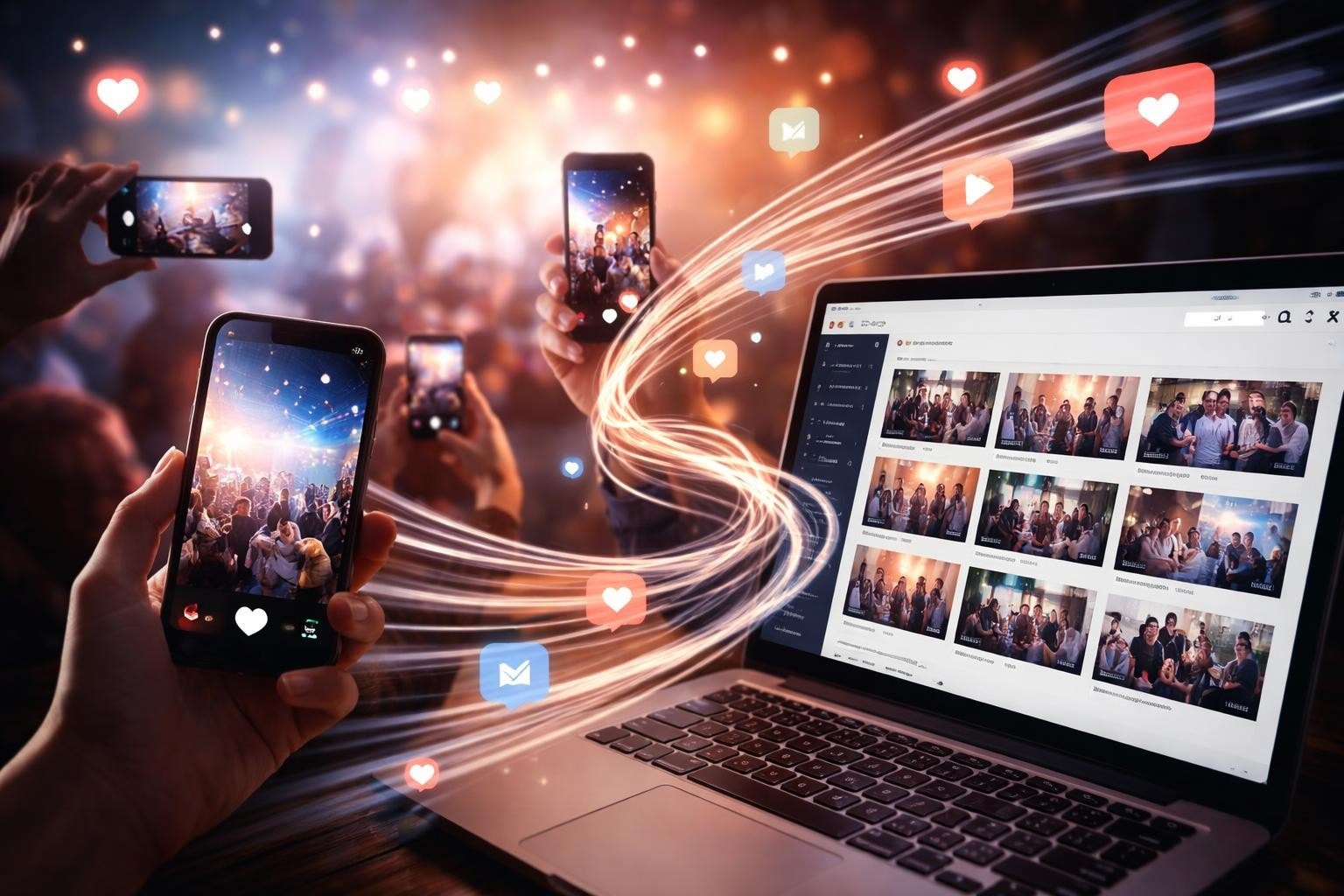
You give attendees a reason to film. Could be a contest, could be prompts throughout the event, could be specific moments you ask them to capture. The best UGC platforms make this process seamless by providing structure without killing spontaneity.
They film on their phones. You collect the footage through a platform. Then you curate the best bits and share them.
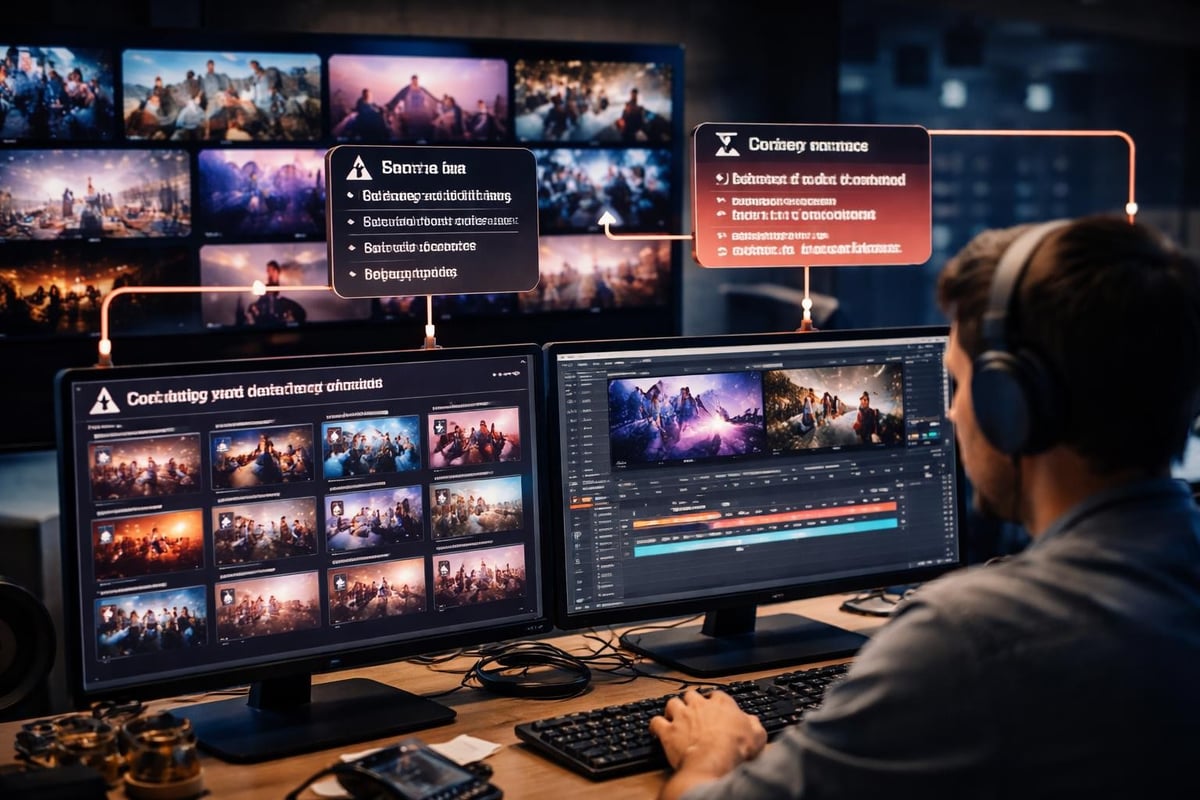
The curation bit matters. You'll get hundreds of clips. Most will be rubbish. Some will be gold. AI helps sort through the pile so you're not watching shaky footage for hours.
What You Actually Need
| Component | Why It Matters | What It Does |
|---|---|---|
| Collection platform | Centralises footage | Gets videos from attendees to you without email chains |
| Curation tools | Saves time | Sorts watchable content from rubbish automatically |
| Editing workflow | Maintains quality | Turns raw clips into shareable content |
| Rights management | Keeps you legal | Ensures you can actually use what people send |
The capture videos workflow isn't complicated. You're just making it easy for people to send you stuff, then picking the good bits.
The Social Media Multiplier Effect
When attendees share their own footage, they tag your event. Their friends see it. Some of those friends share it. Now you're reaching people who'd never see your official content.
This is earned media working exactly how it should. You're not paying for reach. You're earning it through content people actually want to share.
Professional event videos get posted once, maybe shared by your official accounts, then die. User-generated clips spread. They feel personal. They show up in Instagram stories, TikTok feeds, Facebook posts. Each one is a little advertisement you didn't pay for.
The Numbers That Matter
- Production costs: 70-90% lower than professional shoots
- Organic reach: 3-5x higher than branded content
- Engagement rates: User content gets 4x more engagement
- Time to publish: Days instead of weeks
These aren't theoretical. Events using the capture videos approach see this consistently. You're trading control for authenticity, and the maths works out.
Making It Work At Your Event
First, you need infrastructure. Not complicated - just a way for people to submit videos easily. QR codes work. A dedicated app works better. Video submission needs to be frictionless or people won't bother.
Second, you need incentives. Why should attendees film for you?
- Run a contest for best video
- Feature submissions on screens during the event
- Offer prizes or recognition
- Make it part of the event experience
Third, you need guidelines. Tell people what you want. "Capture your favourite moment" is vague. "Film yourself trying the new product and tell us what you think" gives them something concrete.
The Technical Bits
File formats matter. You'll get videos in every format imaginable. Your platform needs to handle them. Understanding video format differences helps you set up systems that don't break when someone uploads something weird.
Vertical versus horizontal. Most people film vertical on their phones. If you need horizontal for certain platforms, converting formats is possible but annoying. Better to plan for vertical from the start.
Resolution and compression. Phone cameras are good now. You'll get 4K footage. Great for quality, terrible for upload speeds and storage. Balance quality with practicality.
Content Curation: The Bit Everyone Underestimates
You'll get too much footage. Always. The capture videos approach generates volume. That's good and bad.
Good because you have options. Bad because someone needs to watch it all. This is where content curation best practices become critical.
What Curation Actually Involves
- Initial filtering: Remove duplicates, poor quality, and anything unusable
- Categorisation: Sort by theme, moment, or content type
- Selection: Pick the clips that tell your story
- Rights verification: Confirm you can use what you've selected
- Editing: Trim, sequence, add minimal branding
AI helps with steps one and two. You'll still need humans for three through five. The goal isn't perfection - it's getting good content out fast whilst it's still relevant.
The Legal Side Nobody Talks About
When someone films at your event and sends you the footage, who owns it? Depends on your terms and conditions.
You need clear consent. People should know you'll use their footage. They should know where it'll appear. They should be able to opt out.
Rights management checklist:
- Clear submission terms visible before upload
- Consent captured at point of submission
- Ability to revoke consent and remove content
- Geographic and usage rights defined
- Attribution policies stated upfront
Consent management isn't exciting but it protects you. Get it wrong and you're pulling down content and apologising. Get it right and it's invisible.
Real Events, Real Results
Music festivals nail this. Thousands of attendees, everyone's filming anyway, and the content practically curates itself. The capture videos method works because it matches what people already want to do.
Corporate events are catching on. Product launches, conferences, trade shows - anywhere people gather, you can turn them into content creators. The brand activation strategy shifts from broadcasting at people to amplifying what they're already saying.
Where It Works Best
| Event Type | Why It Works | Key Benefits |
|---|---|---|
| Festivals | Natural filming behaviour | Massive organic reach |
| Conferences | Professional audiences | High-quality content |
| Product launches | Excitement factor | Authentic reactions |
| Sports events | Emotional moments | Shareable highlights |
| Community events | Personal connection | Local engagement |
The capture videos approach scales. Small event or large, the principles stay the same. You're just multiplying cameras.
What This Means For Your Content Strategy
You're not replacing professional video entirely. Some things need that polish. Opening ceremonies, keynote speeches, official announcements - those might still need proper crews.
But the hundreds of small moments that make an event memorable? The reactions, the interactions, the unexpected bits? Attendees capture those better than any crew could. They're already there, they're emotionally invested, and they're filming from perspectives a professional would never get.
The shift is from control to orchestration. You're not directing every shot. You're creating conditions where good content happens, then collecting and amplifying it.
Integration With Existing Workflows
The capture videos method slots into what you're already doing. You don't tear down your content strategy. You add a layer that's cheaper and performs better for certain content types.
- Professional video for polished, official content
- User-generated content for authentic, social-first content
- Both feeding your overall content curation strategy
Use each approach where it makes sense. The maths usually pushes you toward more user-generated content over time.
Making Vertical Video Work For You
People film vertical. Platforms favour vertical. If you're fighting this, stop. The capture videos you collect will mostly be vertical, and that's fine. That's perfect for Instagram Reels, TikTok, YouTube Shorts - everywhere content actually spreads now.
Understanding how to work with vertical formats means you're optimising for where people actually watch, not where you wish they watched.
The Platform Question
You need somewhere to collect footage. Email doesn't scale. WhatsApp groups are chaos. Dedicated platforms exist for this exact purpose.
Look for:
- Easy submission (QR codes, simple apps)
- Automated curation (AI sorting and filtering)
- Rights management (built-in consent tracking)
- Export options (getting content where you need it)
- Analytics (understanding what works)
The best video content creation software handles the technical complexity so you focus on storytelling.
When The Capture Videos Approach Doesn't Work
Be honest about limitations. This method needs:
- Attendees willing to participate
- Moments worth capturing
- Basic technical infrastructure
- Resources for curation
If your event is tiny, professional video might cost less than setting up infrastructure. If your attendees aren't phone-savvy, you'll struggle. If nothing interesting happens, no amount of user-generated content helps.
The sweet spot is events where people naturally want to capture moments anyway. You're just making it easy and useful for both sides.
The Future Of Event Content
The capture videos model becomes standard. Not because it's trendy, but because it works and saves money. Events that resist will spend more for content that performs worse.
AI improves curation, making it faster to sort good content from rubbish. Rights management gets standardised. Platforms get better at handling volume. The friction decreases whilst the quality improves.
What stays constant: authentic content from real people beats polished marketing. That's not changing. The technology just makes it easier to collect and use.
The capture videos approach isn't complicated - you're turning attendees into content creators, collecting what they film, and sharing the best bits. It's cheaper than professional production and spreads further because it's authentic. If you're running events and still relying only on hired crews, you're spending more money for less reach. SureShot ApS provides the platform that makes this work - collecting footage from attendees, curating it with AI assistance, and turning those authentic moments into content that actually spreads. Your attendees are already filming. Might as well make it useful.