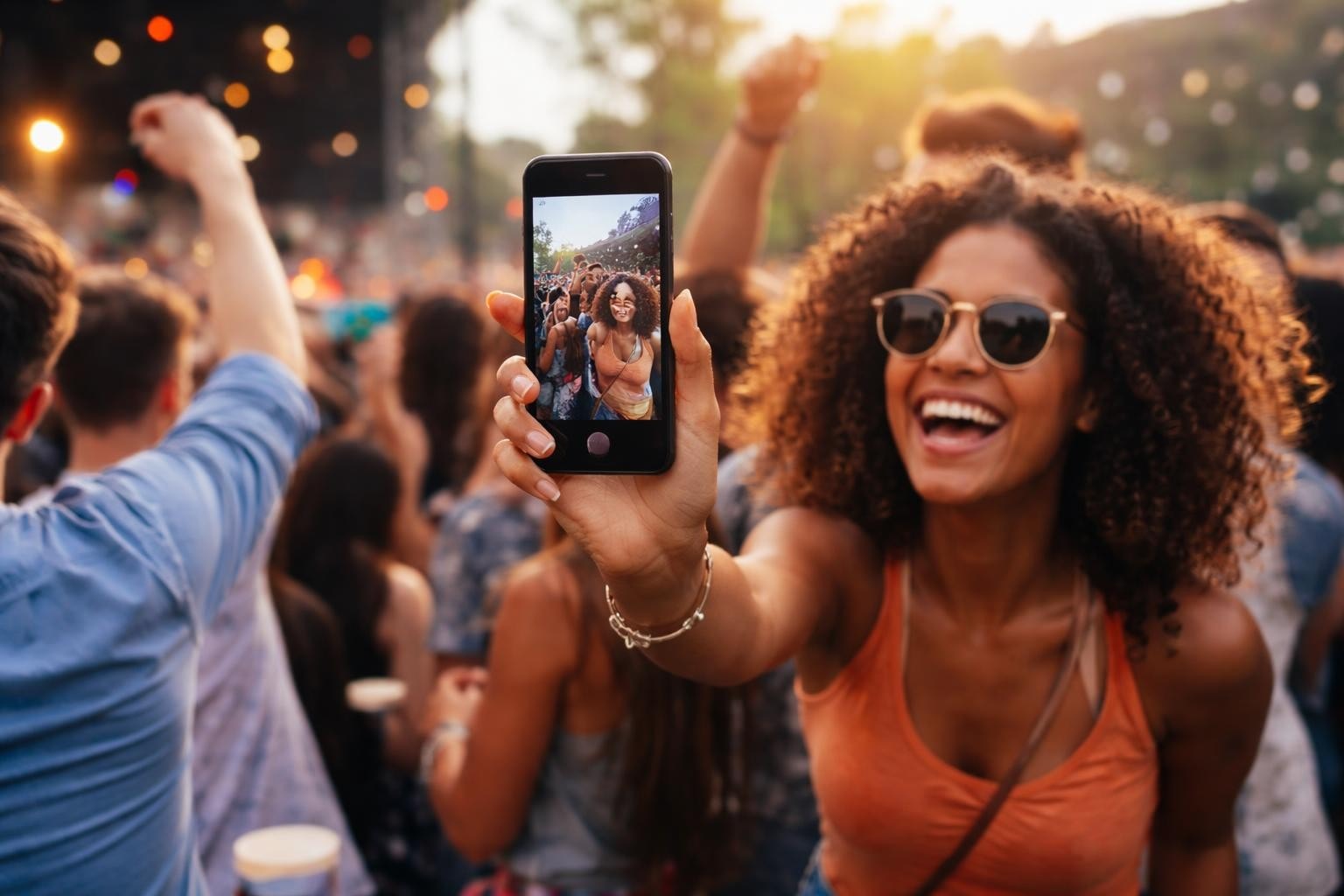

People don't share promotional content. They share stories. When you're running an event, you've got hundreds of potential storytellers standing right there with phones in their pockets. The question isn't whether you can capture video, it's whether those videos will tell a story worth sharing. Authentic moments beat polished production because they feel real. That's where the magic of story and video actually lives.
Why Story Matters in User-Generated Video
Traditional event videos follow a script. Someone films, someone edits, someone approves. By the time it's done, the moment's gone cold.
User-generated content flips this completely. Your attendees are already filming what matters to them. They're capturing the moments that made them feel something. That emotional connection is the story, and it's happening whether you're orchestrating it or not.
The trick is giving people a reason to share those moments with you instead of just posting them to their own feeds. When you curate authentic content strategically, you're not just collecting videos. You're gathering perspectives that form a bigger narrative about your event.
The Emotional Hook
The art of storytelling in video production goes beyond pretty edits. It's about making people feel something. User-generated videos do this naturally because they're unfiltered reactions.
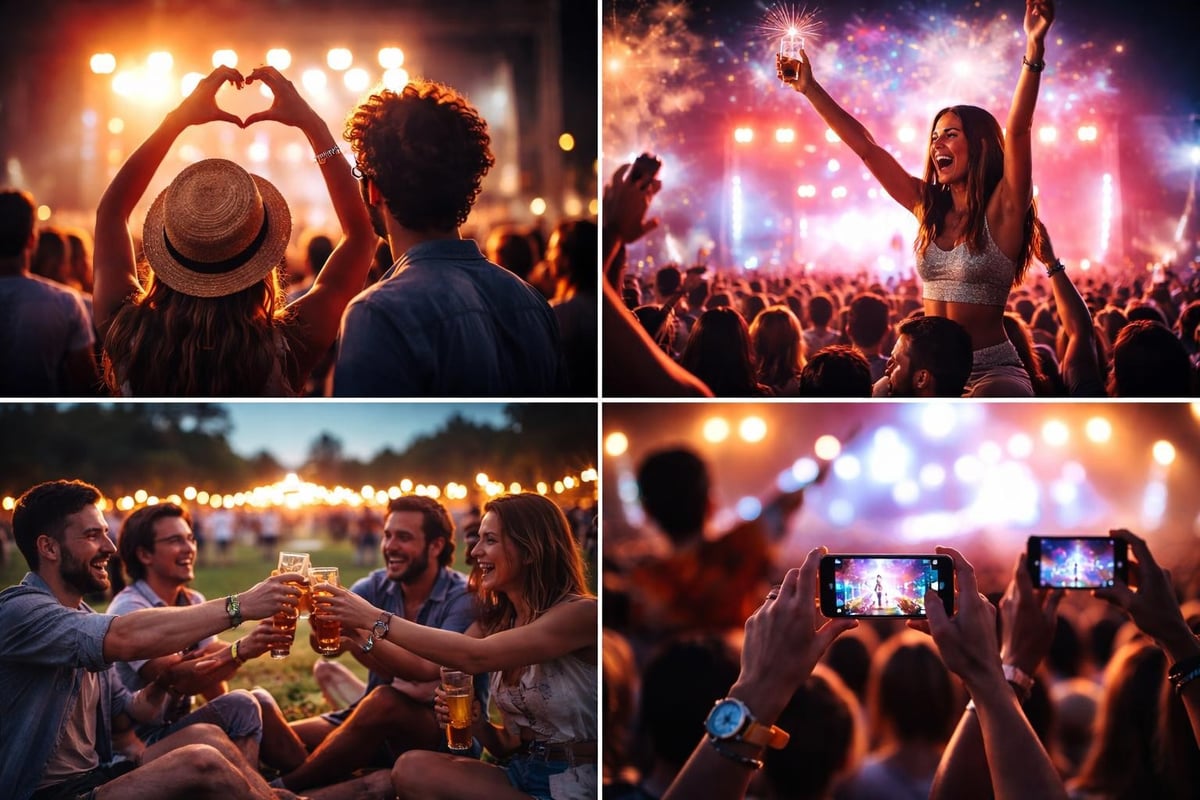
Someone films their mate's reaction when their favourite band comes on stage. Another person captures the sunset over the festival grounds. A third gets the chaos of everyone rushing to the food trucks. Individually, these are just clips. Together, they're a story about what your event actually felt like to be at.
Building Narrative Through Multiple Perspectives
One camera angle tells you what happened. Twenty camera angles tell you what it meant.
When attendees become your video creators, you get something professional crews can't deliver: genuine variety. Different people notice different things. The DJ might not seem like the main event to everyone, but someone's filming the sound engineer's reactions. Someone else is capturing the crowd's energy. Another person's focused on their friend experiencing this artist for the first time.
This creates layers:
- Surface layer: What's happening on stage or at the event
- Reaction layer: How people are responding to it
- Personal layer: Individual moments that make the event meaningful
- Community layer: Shared experiences that connect strangers
Professional video crews typically capture layer one. Maybe layer two if they're good. User-generated content gives you all four without trying.
The Authenticity Factor
People can spot manufactured content from a mile away. It's why storytelling in video production works best when it feels genuine. User-generated videos have this baked in.
Nobody's performing for a professional camera. They're just capturing what matters to them. That rawness is the story. The shaky camera work, the background noise, the unscripted reactions, they all signal "this is real."
When you collect and share these moments, you're showing potential attendees what your event actually delivers, not what your marketing team wishes it delivered.
Turning Clips Into Cohesive Stories
Here's where most events drop the ball. They collect user videos and dump them into a folder somewhere. Or worse, they just repost individual clips without any context or structure.
Real moments need curation to become stories. It's not about manipulation. It's about finding the thread that connects everything.
Story Structures That Work for Events
| Structure Type | What It Does | Best For |
|---|---|---|
| Chronological | Follows the event timeline from start to finish | Single-day festivals, conferences |
| Emotional Arc | Builds from anticipation through climax to reflection | Multi-day events, competitions |
| Perspective-Based | Shows the same moments from different viewpoints | Community events, participatory experiences |
| Thematic | Groups content by feeling or theme rather than time | Brand activations, lifestyle events |
You don't need fancy editing. You need to understand which moments support your narrative and which ones dilute it. Sometimes the best video is someone's phone shaking because they're dancing too hard to hold it steady. Sometimes it's a quiet moment between sets.
The story dictates which clips make the cut, not the production quality.
Social Media and Story Distribution
Creating a story and video combination is only half the job. Getting it seen is the other half. User-generated content has a natural advantage here because it comes with built-in distribution.
The person who filmed that clip? They'll share it. Their mates who appear in it? They'll share it too. That's organic reach you didn't pay for.
Distribution multipliers:
- Original creator shares to their network
- People tagged in videos share to their networks
- Event organizers share curated compilations
- Attendees reshare the compilation because they're in it
- Friends of attendees engage because they see someone they know
Each layer expands your reach without ad spend. But only if the story and video content is worth sharing. Nobody's reposting boring corporate footage.
Platform-Specific Story Adaptations
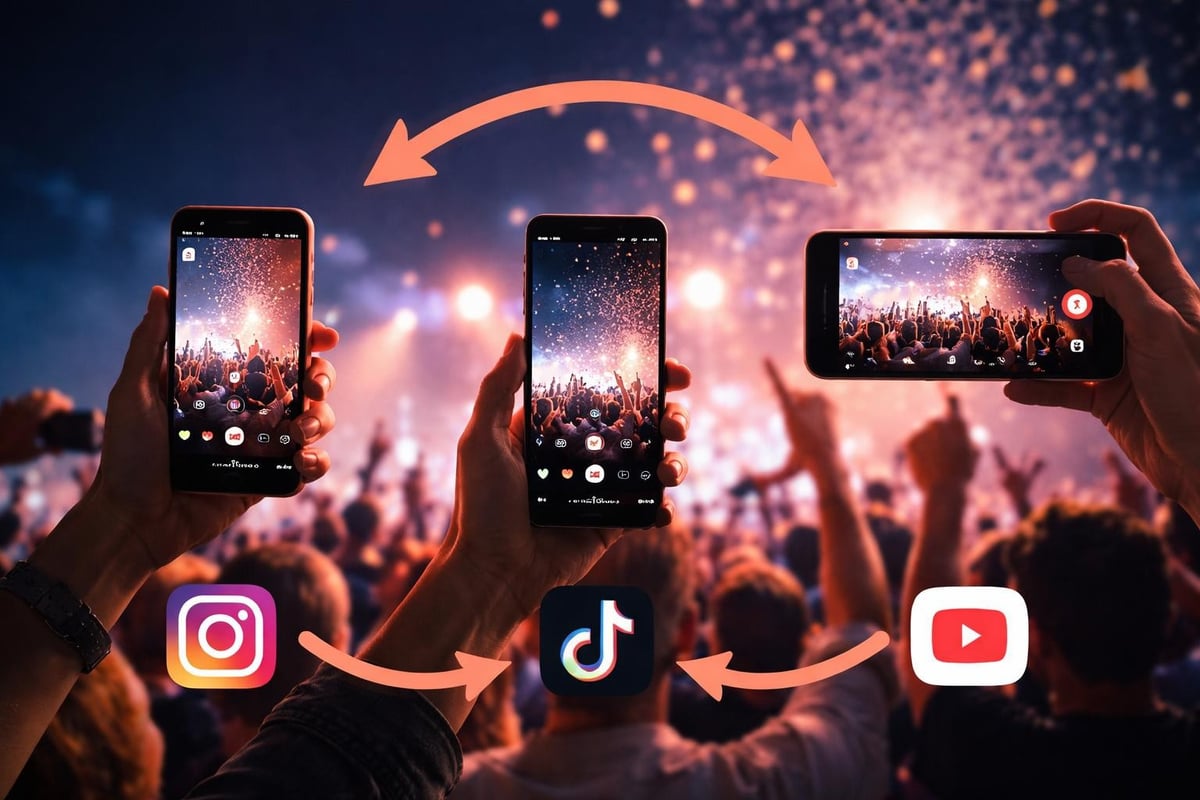
Different platforms want different stories. Instagram favours quick emotional hits. YouTube allows deeper narratives. TikTok rewards authentic chaos.
The same user-generated content can be cut multiple ways:
- Instagram Reels: 15-30 second highlight moments with music
- TikTok: Raw, unpolished clips that show genuine reactions
- YouTube: Longer compilations that build a complete event narrative
- LinkedIn: Behind-the-scenes perspectives for B2B events
Your attendees are already filming for these platforms. You're just curating their content into formats that travel well.
The Production Cost Reality
Professional event videography isn't cheap. You're paying for crew, equipment, editing, and time. For what? A polished highlight reel that gets posted once and forgotten.
User-generated story and video content costs you almost nothing to create. Your attendees are doing the filming. The editing is mostly curation, selecting the clips that tell your story. The right platform can automate most of the heavy lifting.
Cost Breakdown Comparison
| Approach | Upfront Cost | Per-Event Cost | Authenticity | Shareability |
|---|---|---|---|---|
| Professional Crew | £5,000-15,000 | £3,000-8,000 | Low-Medium | Low |
| Hybrid (Pro + UGC) | £2,000-5,000 | £1,000-3,000 | Medium-High | Medium-High |
| Pure UGC Platform | £500-2,000 | £200-800 | High | High |
The maths gets even better when you factor in usage rights. Professional footage requires licensing. User-generated content, when properly managed through consent, comes with permission to use it.
You're not just saving money. You're getting better content that people actually want to watch and share.
Making Story and Video Work Together
The relationship between story and video isn't complicated. Every video should serve the story. Every story needs video to prove it's real.
For events, this means thinking about narrative before, during, and after. What story do you want told? Not what you want to say about your event, but what experience you want people to understand happened there.
Pre-Event Story Setup
Tell people what to look for. Not in a controlling way, just in a "hey, if you capture this, share it with us" way. Maybe you're running a music festival and you want to showcase community. Ask people to film moments of connection. Friends hugging. Strangers dancing together. The quiet conversations between sets.
You're not scripting anything. You're just directing attention toward the story you want to emerge. People will still film what matters to them, but you've planted seeds about what might be worth noticing.
During Event Capture
Community videos happen in real-time. The story unfolds as it unfolds. Your job is making it easy for people to contribute. Simple submission process. Clear value proposition for why they should share with you, not just post to their own feeds.
Maybe they get featured on the big screen. Maybe they're entered into a competition. Maybe they just want to be part of the official event story. Give them a reason that isn't just "please make content for us for free."
Post-Event Story Assembly
This is where the power of storytelling in video production shows up. You've got hundreds of clips. Some are gold. Some are rubbish. Some are good but don't fit the narrative.
Your editing process is choosing which moments build toward something meaningful. It's finding the unexpected connections between clips. It's recognizing when three different people filmed the same moment from different angles and that actually tells a better story than any single shot could.
Technical Considerations Without the Tech Talk
You don't need to understand codecs or frame rates. You need content that looks good on phones because that's where people watch it.
What actually matters:
- Videos load quickly (file size optimization)
- Aspect ratios match the platform (vertical for Instagram, horizontal for YouTube)
- Audio is clean enough to understand
- Clips are short enough that people watch to the end
Most user-generated content platforms handle this automatically. Your attendees upload whatever they filmed. The system optimizes it for wherever you're sharing it. You focus on story, not settings.
Measuring Story Impact
Views are vanity metrics. What actually tells you if your story and video approach is working?
Meaningful metrics:
- Completion rate: Do people watch to the end?
- Share rate: Are they sending it to others?
- Contribution rate: How many attendees submit videos?
- Return engagement: Do contributors come back to your events?
If people are watching your user-generated compilations all the way through and sharing them, your story's working. If they're submitting videos without being prompted, your narrative is resonating. If they're coming back to your next event, you've proved the experience lives up to what the videos promised.
When User-Generated Story Fails
It's not always brilliant. Sometimes you get dozens of videos of the same thing. Sometimes people film in terrible lighting. Sometimes the story just isn't there because the event wasn't memorable enough to generate one.
You can't manufacture authentic moments. If your event is dull, user-generated content will reveal that just as effectively as it reveals excellence.
This is actually useful information. If people aren't naturally filming and sharing, that's telling you something about the experience you're creating. The role of storytelling isn't to paper over a boring event. It's to amplify a good one.
Common Pitfalls
Over-curation kills authenticity. If every clip looks too perfect, you've lost what made user-generated content valuable. Leave in some rough edges.
Under-curation creates chaos. Just dumping all submissions into a folder isn't a story. It's a mess. Find the balance.
Ignoring contributor recognition backfires. People want credit for their content. Tag them. Thank them. Make them feel like collaborators, not content sources.
Missing the actual story happens constantly. Sometimes the best narrative isn't what you expected. Be willing to let the content show you what story actually happened.
Making It Repeatable
One successful user-generated video compilation is nice. A system that generates them for every event is valuable.
The key is building story and video into your event structure, not treating it as an afterthought. Make video contribution part of the attendee experience. Not mandatory, just easy and rewarding.
Video submission workflows should be frictionless. Download an app, film, submit. Done. The simpler you make it, the more content flows in. The more content you get, the better your story options become.
The Future of Event Storytelling
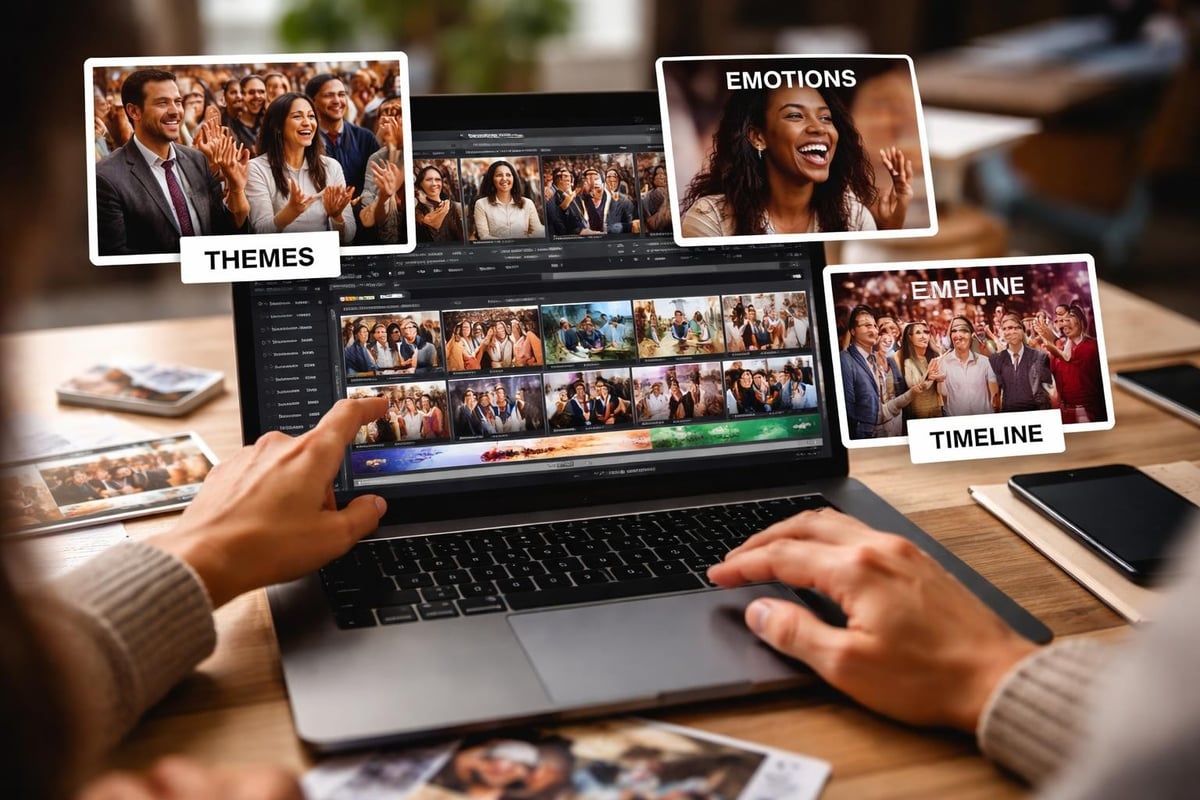
AI editing tools are getting better at finding story patterns in raw footage. They can identify emotional peaks, match clips thematically, even suggest narrative structures based on content analysis.
But they can't replace human understanding of what makes a moment meaningful. The power of narrative in marketing videos still requires human judgment about which stories matter.
The sweet spot is using technology to handle the tedious parts (organizing clips, basic editing, format optimization) while keeping human creative direction for story decisions. That's where authentic user-generated content and efficient production meet.
You get the volume and authenticity of crowd-sourced material with the coherence of intentional storytelling. And you get it at a fraction of the cost of traditional video production.
That's not the future. That's what's working right now for events that take story and video seriously.
Story and video aren't separate things. They're two parts of the same conversation about what your event meant to the people who were there. When you give attendees the tools to capture and share their authentic moments, you're not just collecting content. You're building a narrative that spreads naturally because it's real. SureShot ApS handles the technical bits, organizing submissions and making curation manageable, so you can focus on the story itself. Your next event already has hundreds of potential storytellers. Give them a reason to share those stories with you.