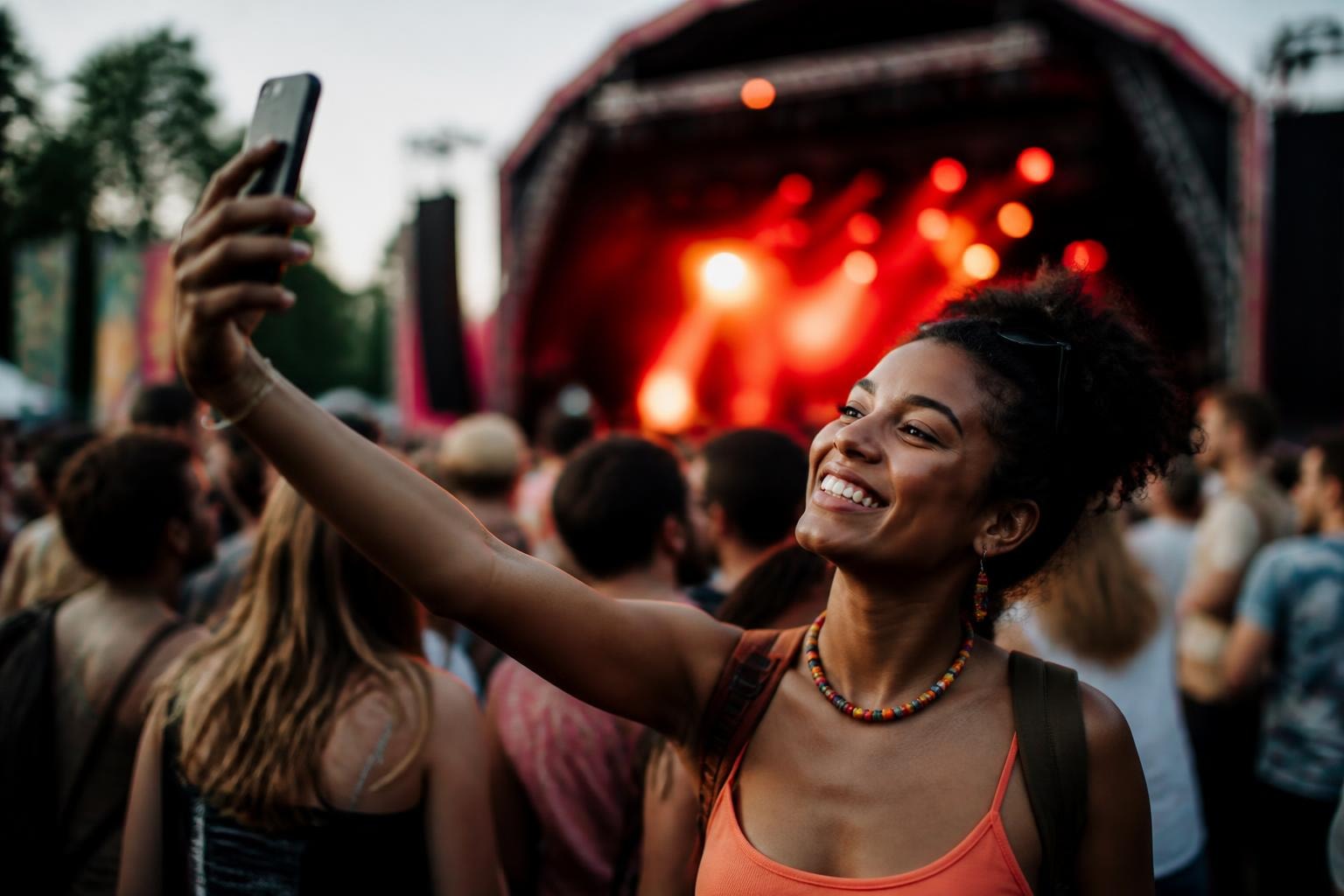

Festival organisers spend thousands on content that nobody trusts. Professional shots look polished, sure, but they don't feel real. Meanwhile, your attendees are already filming everything. They're capturing the actual energy, the unexpected moments, the stuff that makes people want to buy tickets. A solid user generated content strategy for festivals taps into that goldmine. You're not asking people to work for free. You're giving them a reason to share what they're already doing, then using it properly.
Why Festivals Need UGC More Than Other Events
Festivals live or die on atmosphere. You can't fake it with stock photos.
When someone sees their mate's video from the mosh pit, that's what sells them on next year's ticket. Professional cameras can't get those angles. They can't capture the genuine reactions. User-generated content at festivals works because it shows what actually happened, not what the marketing team wished happened.
Here's what UGC gives you:
- Content that spreads organically (people share their own clips)
- Proof that your festival delivers on its promises
- Material for next year's campaign without hiring a production crew
- Real-time social proof during the event itself
The cost difference is massive too. A professional video team might run you £10,000 for a weekend. A user generated content strategy for festivals costs a fraction of that, and you get hundreds of perspectives instead of one.
Setting Up Your Collection Infrastructure
You need a system before the first tent goes up.
Create a dedicated hashtag. Make it short, unique, and impossible to misspell. Print it everywhere: tickets, wristbands, stages, toilets. If someone takes out their phone at your festival, they should see that hashtag.
But hashtags alone won't cut it. The best UGC platforms give you proper control. You want:
| Feature | Why It Matters |
|---|---|
| Mobile app submission | People won't email you videos |
| Automatic rights management | Legal headaches sorted upfront |
| Content filtering | You don't want to manually review 5,000 clips |
| Format conversion | Social platforms need different specs |
Most festivals mess up by making submission too complicated. If it takes more than 30 seconds to share a clip, people won't bother. Crowd-sourced video apps handle this by letting attendees upload directly from their camera roll.
Getting Consent Right From the Start
This kills more UGC campaigns than anything else.
You can't use someone's content without permission. But asking for permission after the fact is a nightmare. Build it into the submission process. When someone uploads through your platform, they tick a box. Done.
Festival consent management isn't just about covering yourself legally. It's about respecting your community. People are more willing to share when they know exactly how you'll use their stuff.
Make your terms clear:
- Where their content might appear
- Whether you'll credit them
- If they retain rights to their own material
- How they can withdraw permission
Creating Moments Worth Capturing
Random footage doesn't build your brand. Strategic moments do.
Photo-worthy installations at festivals work because they give people a reason to stop and film. But we're talking about video, which needs more than a pretty background.
Think about what makes people pull out their phones naturally:
- Something unexpected happening on stage
- Interactive art that responds to movement
- Surprise performances in weird locations
- Food or drink that looks ridiculous
Create zones specifically designed for UGC:
- High-energy areas near main stages (crowd reactions)
- Chill spaces with good lighting (sit-down interviews)
- Behind-the-scenes access (exclusive feels)
- Interactive installations that only work when filmed
The key is making these moments feel organic. If it looks staged for content, people see through it. Community videos that perform best show genuine reactions, not manufactured ones.
Managing the Content Flood
You'll get more submissions than you can handle. That's the problem you want.
First weekend of a mid-sized festival? Expect 2,000+ video submissions easily. Reviewing them manually would take weeks. This is where video content curation tools earn their keep.
Set up automatic filtering based on:
- Video quality (blurry shaky clips get binned)
- Length (30 seconds to 2 minutes is the sweet spot)
- Audio levels (can't hear anything? Not useful)
- Submission time (content from peak hours usually performs better)
The best user generated content strategy for festivals includes real-time curation during the event. You want to be sharing attendee clips while the festival's still running. That amplifies the FOMO and drives ticket sales for next year.

Editing Without Losing Authenticity
Raw footage is authentic. Completely unedited footage is usually unwatchable.
You need to clean things up without making it look produced. Trim the dead air. Boost the audio. Add your branding subtly. But don't over-polish it. The slightly rough edges are what make it believable.
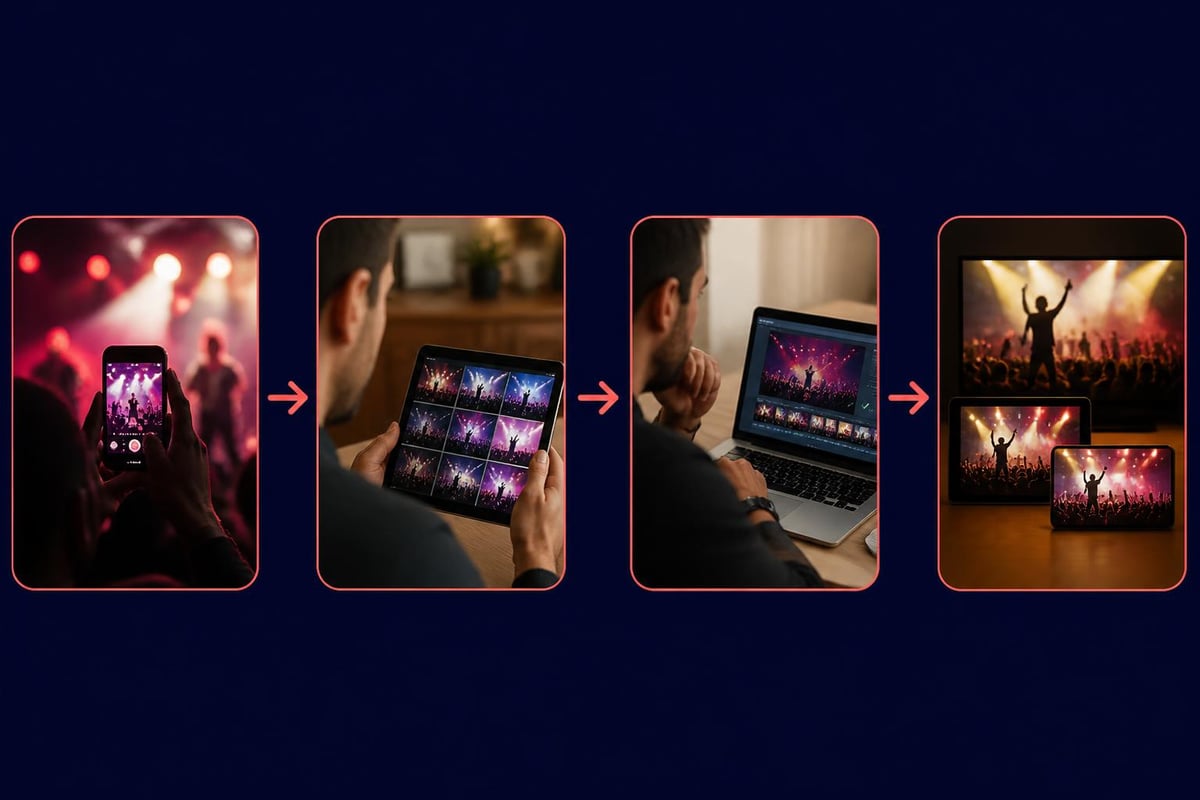
Creating videos from user clips means stitching together different perspectives into something coherent. Show the build-up, the peak moment, the reaction. That's your story arc.
Format matters too. Instagram wants vertical. YouTube wants horizontal. Converting between formats used to be painful, but now it happens automatically if you're using proper tools.
Activating Your Content Across Channels
Collecting content is pointless if nobody sees it.
Plan your distribution before the festival starts:
| Platform | Content Type | Timing |
|---|---|---|
| Instagram Stories | Quick reactions, behind-scenes | Real-time during event |
| Instagram Reels | Highlight moments, compilations | Daily during + week after |
| TikTok | Trending audio, energetic clips | Hourly during peak times |
| Longer compilations, interviews | Post-event wrap-up | |
| Website | Full gallery, testimonials | Permanent showcase |
Understanding how to use Facebook Reels effectively means adapting your UGC to each platform's quirks. What works on TikTok won't necessarily land on Facebook.
The smartest festivals create short clips from longer submissions. One 90-second attendee video can become six different 15-second pieces for different platforms. More content, less work.
Encouraging Sharing Through Incentives
People share because they want to, not because you asked nicely.
Give them a reason beyond altruism:
- Feature the best clips on main stage screens
- Offer VIP upgrades for top contributors
- Create a social wall showing live submissions
- Run competitions with actual prizes people want
But here's what actually drives sharing: seeing their content get used. When you post someone's clip to your main account and tag them, they share it to their network. Strategies for collecting UGC prove that recognition matters more than free t-shirts.
Build a feedback loop. Show people their content being used. They'll create more. Their friends will want in. You've just built your content engine.
Measuring What Actually Matters
Vanity metrics lie. Track what affects your bottom line.
Metrics worth watching:
- Submission rate (percentage of attendees who share content)
- Usage rate (how much UGC you actually deploy)
- Engagement on UGC posts vs. professional content
- Ticket sales correlation with UGC campaigns
- Cost per piece of usable content
Most festivals obsess over total submissions. Wrong focus. You want quality submissions that you can actually use. Ten brilliant clips beat a thousand mediocre ones.
Compare your UGC performance against professional content. If your attendee videos get 3x the engagement, you know where to invest budget. Collecting UGC at experiential events shows this pattern consistently.
Building Your Strategy for Next Year
Your user generated content strategy for festivals should evolve based on data.
After your event, audit everything:
- Which submission methods got most uptake
- What types of moments people filmed most
- Which platforms drove the most sharing
- Where the technical breakdowns happened
The festivals that nail UGC treat it like any other infrastructure. You wouldn't run the same stage setup for five years without updates. Don't run the same content strategy either.
Technical Requirements Nobody Talks About
Your strategy fails if the tech doesn't work.
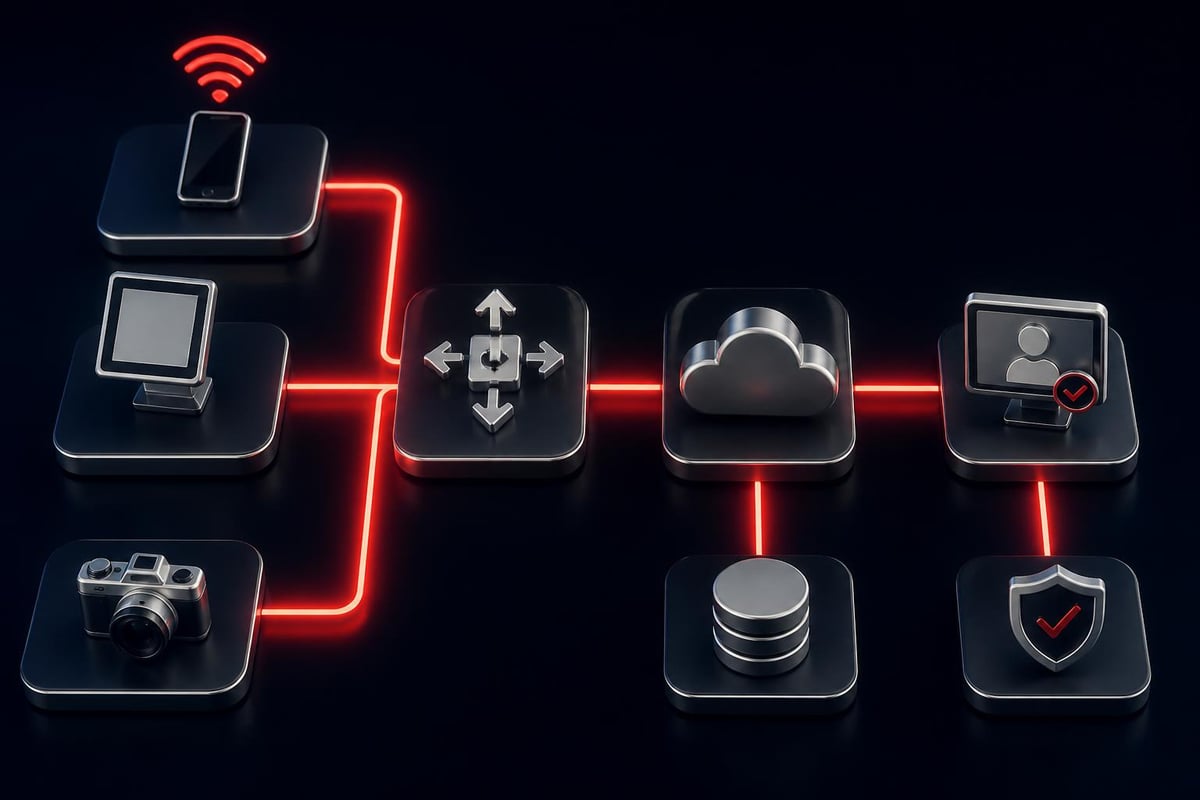
Mobile networks at festivals are rubbish. Everyone's trying to upload at once. You need either:
- Dedicated WiFi for content submission
- Offline submission with automatic sync later
- Compression that works on 3G speeds
File sizes kill participation. Someone records a 2-minute video on their iPhone, it's 200MB. They're not uploading that on festival WiFi. Understanding video formats helps you set up automatic compression that maintains quality while cutting file size by 80%.
Storage costs spiral too. If you're keeping every submission, you'll spend a fortune on cloud storage. Set retention policies upfront. Archive the gold, bin the rest.
Making It Work Post-Festival
The festival ends. Your content strategy doesn't.
You've got hundreds of hours of authentic footage. Use it:
- Announcement videos for next year's lineup
- Testimonials for early bird campaigns
- Nostalgic throwbacks during off-season
- Recruitment material for staff and volunteers
Automating event video curation means you can keep pumping out content months after the event. Set up templates, create playlists, schedule releases.
The attendees who submitted content? They're your marketing team now. Every time you post their clip, they're reminded of your festival. They'll be first in line for next year's tickets.
Common Mistakes That Tank Results
Most festivals screw this up in predictable ways.
What kills UGC campaigns:
- Asking for content without giving clear instructions
- Making submission complicated or slow
- Never actually using the content people submit
- Ignoring contributors (no credit, no thanks)
- Waiting until after the festival to think about strategy
The worst mistake? Treating UGC as free labour. People aren't your unpaid content team. They're sharing because they had a brilliant time and want to be part of the story. Respect that. The power of user-generated content comes from authentic enthusiasm, not exploitation.
Another killer: poor quality control. One racist comment or dangerous behaviour in your featured content, and you've got a crisis. Moderate properly. Have humans in the loop even when you're using automated filtering.
Integration With Your Wider Marketing
UGC isn't a standalone tactic. It feeds everything else.
Your email campaigns need authentic footage. Your paid ads perform better with real attendee clips. Your PR team wants compelling visuals. Your sponsors want proof of engagement. One solid user generated content strategy for festivals powers all of it.
Build UGC into your annual calendar:
- Pre-event: Throwback clips from last year
- During: Real-time sharing and FOMO content
- Post-event: Highlights and testimonials
- Off-season: Countdowns and announcements using UGC
The festivals getting this right aren't running separate strategies for UGC, social media, email, and advertising. It's one integrated approach with UGC videos at the centre.
Rights, Usage, and Legal Bits
You can't ignore this stuff, much as you'd like to.
When someone submits content, you need clear rights to use it commercially. "Posting on social media" is commercial use. Putting it in next year's promo video definitely is.
Your submission terms should cover:
- Commercial vs. editorial use
- How long you can use their content
- Whether they can revoke permission
- How you'll credit them
- What happens to unused submissions
Understanding content licensing prevents expensive legal problems later. Get proper legal advice. The cost of a solicitor reviewing your terms once is nothing compared to a rights dispute.
Some festivals offer payment for featured content. Others rely on recognition and benefits. Either works, but be upfront about it.
Scaling Across Multiple Events
Once you've built a user generated content strategy for festivals that works, replicate it.
The infrastructure you create for one festival can serve ten. Same platform, same processes, different branding. This is where costs really drop. Your first event might cost £5,000 to set up properly. Events two through ten cost maybe £500 each.
Multi-event benefits:
- Shared content library across your portfolio
- Attendees familiar with your system at different festivals
- Better negotiating power with platform providers
- Cross-promotion between events using shared UGC
The key is maintaining brand distinction while using shared infrastructure. Your tech festival UGC should feel different from your music festival content, even if the collection system is identical.
Building a user generated content strategy for festivals means tapping into the energy your attendees already create, then giving it structure and reach. You're not manufacturing content. You're curating authenticity at scale. SureShot ApS handles the technical heavy lifting so you can focus on creating moments worth capturing. The platform transforms your attendees into storytellers while managing rights, curation, and distribution automatically, cutting your content costs whilst multiplying your authentic reach.