
You've seen it happen. A 15-second clip gets more traction than a polished three-minute video that cost thousands to produce. Short-form video clips have taken over the internet, and it's not because people have shorter attention spans. It's because they're bloody efficient. They get to the point, they're easy to share, and when done right, they feel real.
Why Short Clips Actually Work
The numbers don't lie. Short clips get watched, shared, and remembered more than longer content. But here's what matters: they lower your barrier to engagement. Someone will watch 20 seconds of your event footage while waiting for their coffee. They won't commit to five minutes.
Authentic moments beat production value every single time. A shaky clip of someone genuinely having a brilliant time at your event? That's worth more than a professionally shot highlight reel that feels staged. People trust what looks real.
The Attention Economy Is Brutal
You've got seconds to make an impact. Not minutes. Seconds.
Here's what actually happens when someone scrolls:
- First second: They decide if they'll keep watching
- First three seconds: They form an opinion about your content
- First five seconds: They either engage or move on
That's your window. Captivating viewers in those first few seconds isn't about tricks or gimmicks. It's about starting with something worth watching.

Platform Algorithms Love Short Content
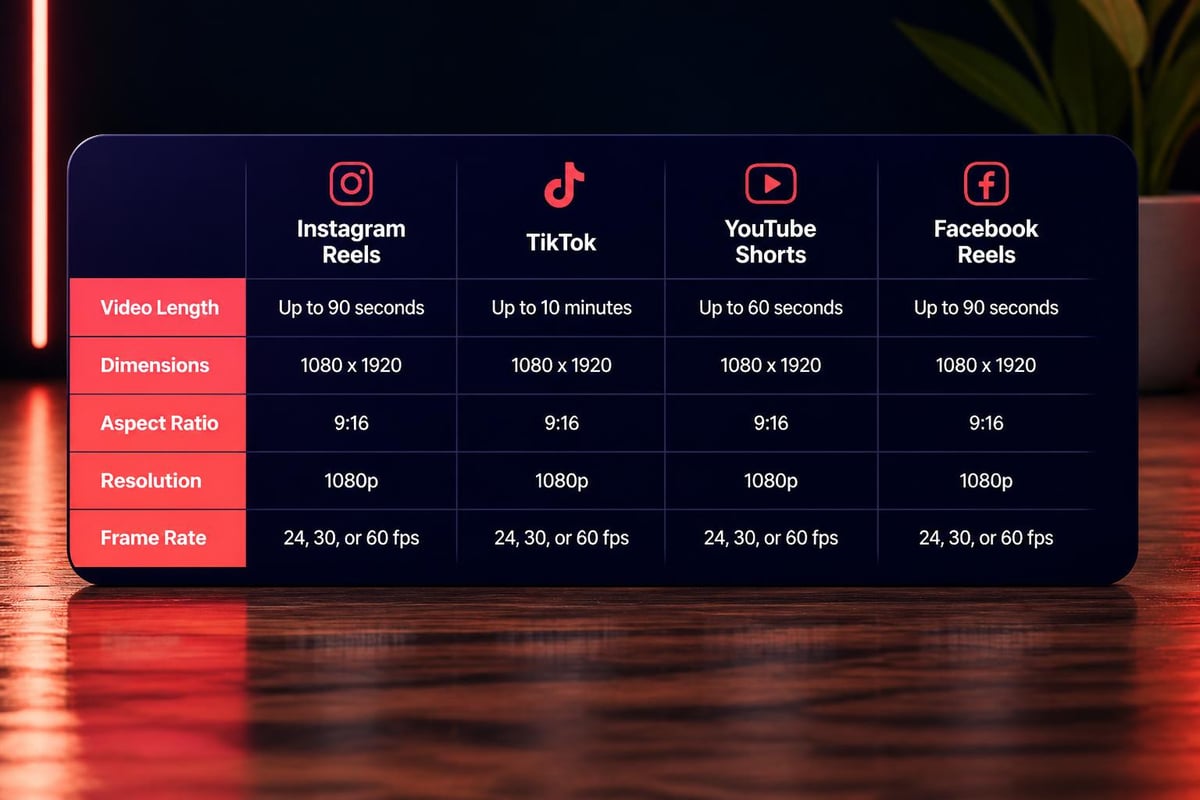
Every major platform has gone all-in on short clips. Instagram Reels, TikTok, YouTube Shorts, Facebook Reels. They're not doing this because it's trendy. They're doing it because it keeps people on the platform longer.
The algorithm rewards completion rates. If someone watches your entire 15-second clip, that's a win. If they watch 15 seconds of your 5-minute video and bail, that's a loss. The maths is simple.
Creating Short Clips That People Actually Share
Making short clips isn't about chopping up long videos. It's about capturing moments that stand on their own.
What makes a clip shareable:
- It shows something genuine
- It triggers an emotion quickly
- It doesn't need context to understand
- It feels like something your mate would send you
Production quality matters less than you think. A perfectly lit, professionally edited clip that feels corporate gets ignored. A rough clip that captures a real moment gets shared. Understanding video content curation helps you spot these moments.
User-Generated Content Changes Everything
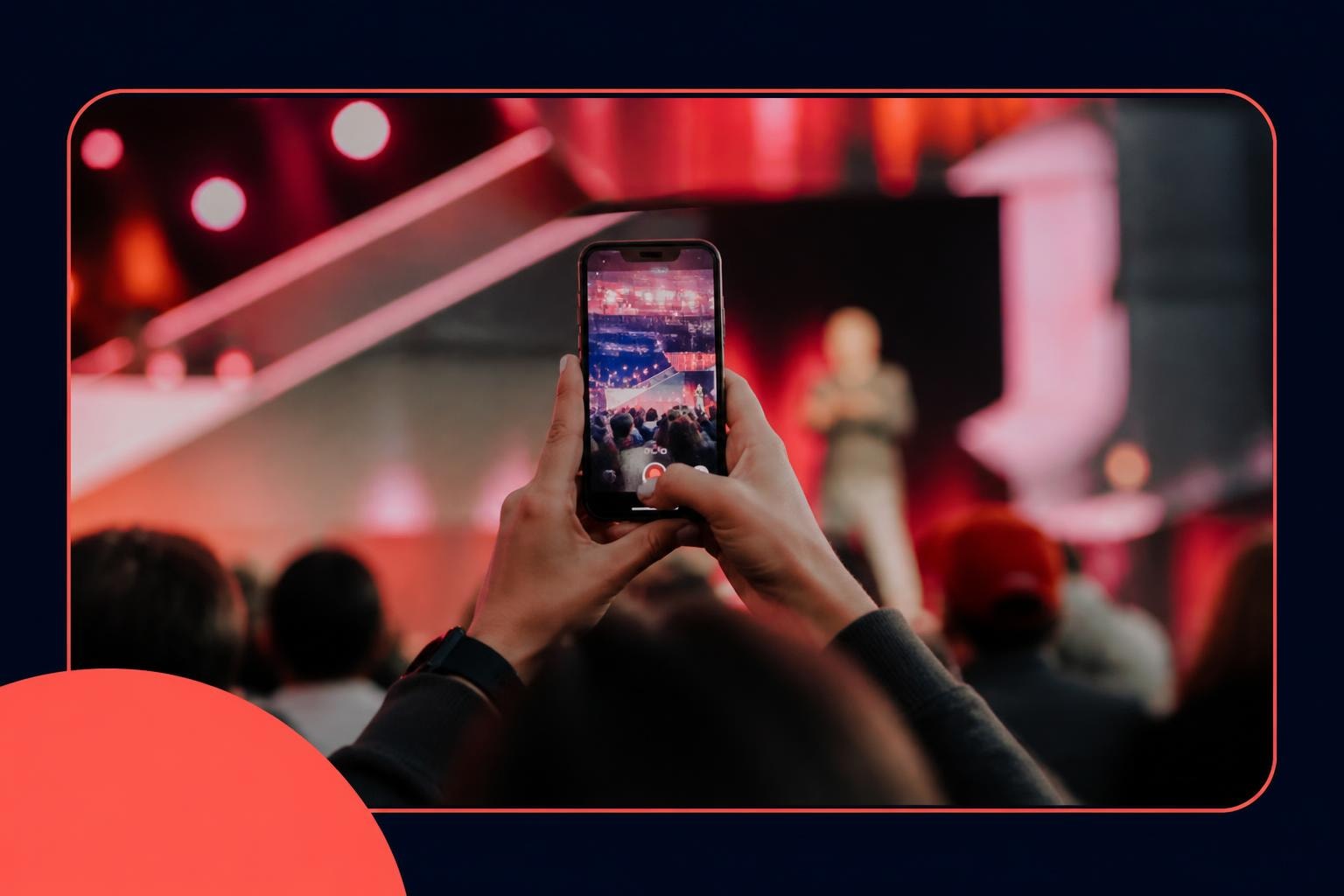
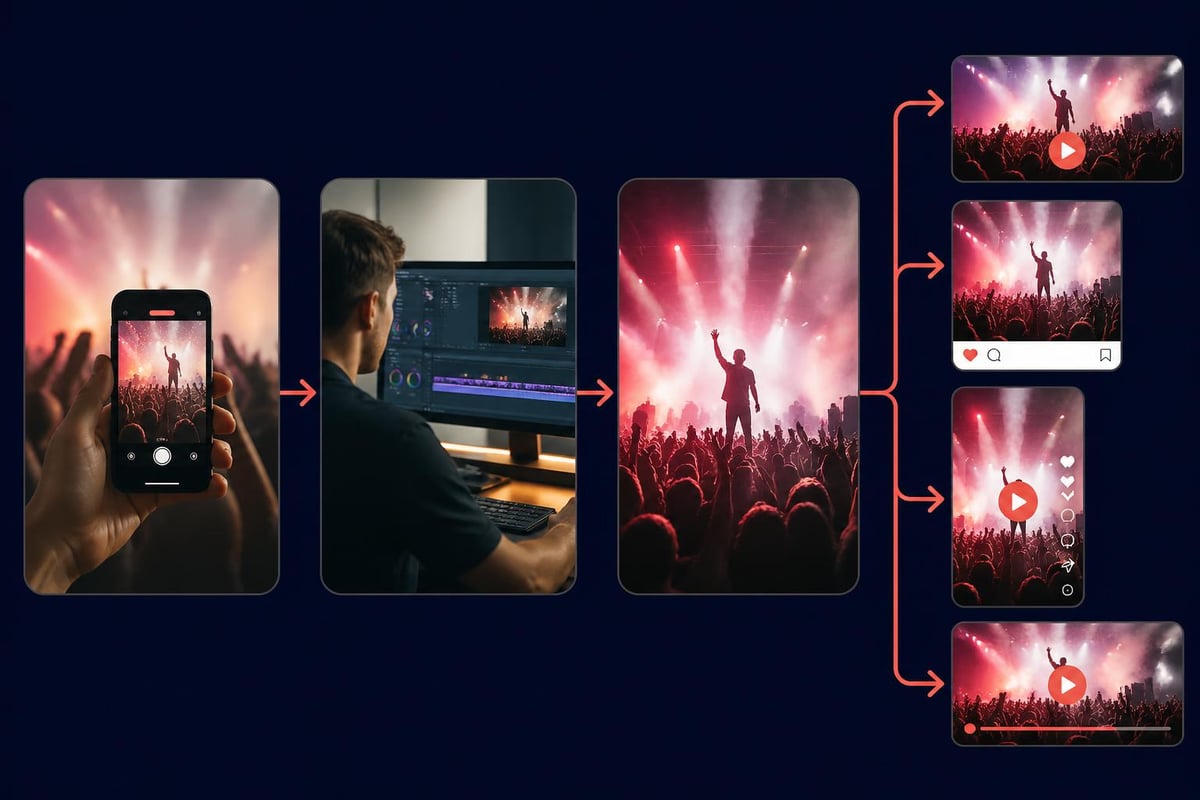
Here's where it gets interesting. When attendees at your event create the content themselves, it comes with built-in authenticity. They're not trying to sell anything. They're just capturing what they found cool.
This is why user-generated content platforms have become essential for events. You're not hiring a production team. You're empowering the people who are already there, already having experiences worth sharing.
| Traditional Video Production | User-Generated Short Clips |
|---|---|
| High upfront costs | Minimal production costs |
| Single perspective | Multiple authentic viewpoints |
| Weeks to edit and publish | Real-time sharing |
| Feels like marketing | Feels like peer recommendation |
| Limited reach | Organic social spread |
The difference isn't just cost. It's credibility.
Technical Stuff That Actually Matters
You don't need expensive gear. You need the right format and a basic understanding of how platforms work.
Format and Specs
Vertical video is non-negotiable. 9:16 aspect ratio. If you're still creating horizontal content and wondering why it doesn't perform, converting horizontal video to vertical is your first step.
Resolution matters, but not as much as you'd think. 1080p is fine. 4K is overkill for most short clips. File size matters more because you want uploads to be quick and streaming to be smooth.
Here's what platforms actually care about:
- Vertical orientation (9:16)
- Clear audio in the first few seconds
- Hook within the first second
- Duration between 7-60 seconds for maximum reach
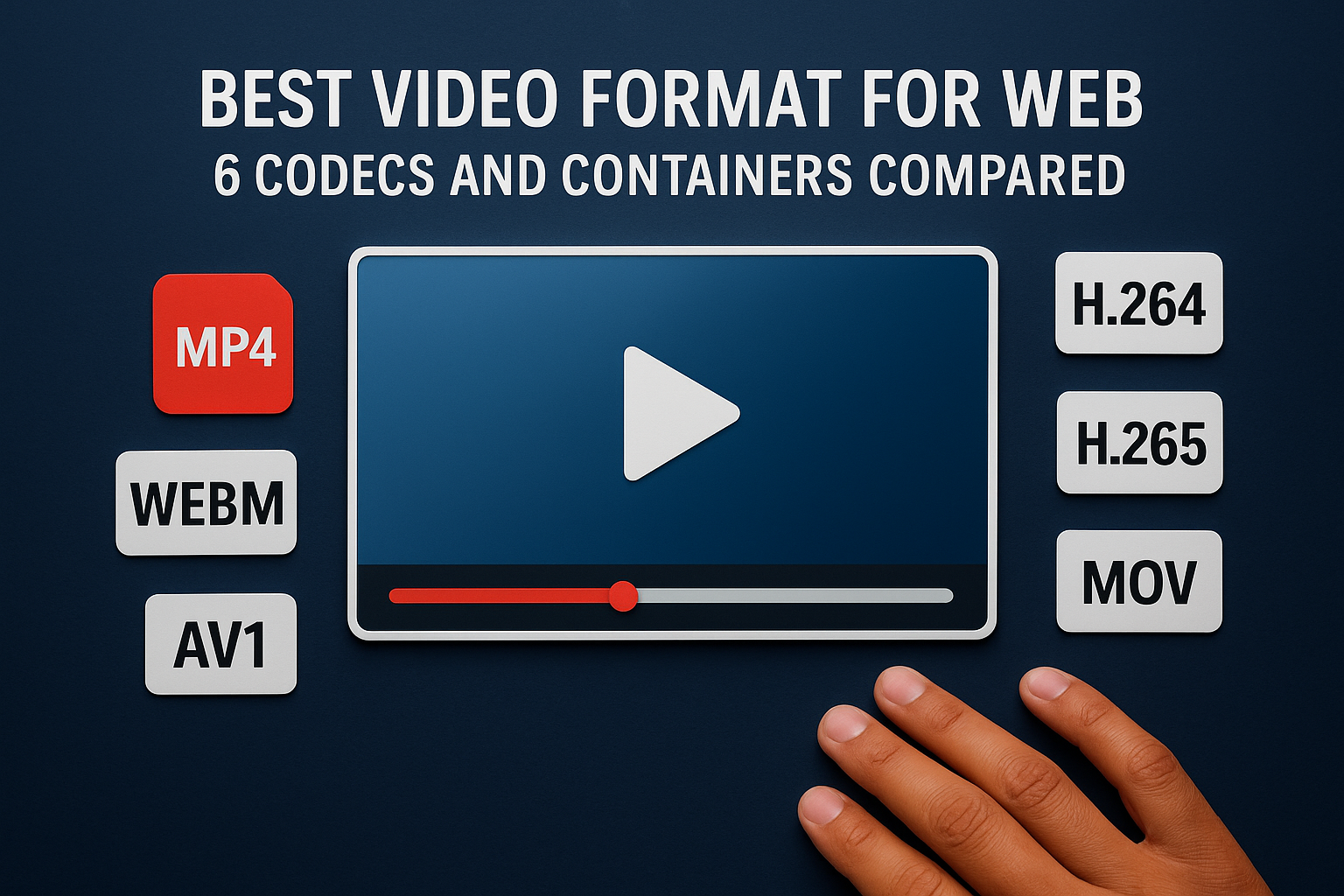
Choosing the best video format for web delivery ensures your content loads fast and looks decent across devices.
The Length Sweet Spot
Shorter isn't always better. Research shows longer short-form videos can get more reach on some platforms, particularly when they deliver value throughout.
The sweet spot depends on your content:
- Pure entertainment: 7-15 seconds
- Event highlights: 15-30 seconds
- Tutorial or how-to: 30-60 seconds
- Behind-the-scenes: 20-45 seconds
Don't pad your content to hit a duration. End when the moment ends.
Strategy for Events and Brands
You can't control what goes viral, but you can create conditions where good content happens more often.
Make It Easy to Create
If attendees need to jump through hoops to share content from your event, they won't bother. Remove friction. Provide them with tools that make capturing and sharing effortless.
This is where platforms designed for crowdsourcing event videos shine. Attendees use their phones, which they already have. They capture moments they find interesting. The platform handles the collection and content curation.
Curate, Don't Control
You'll get hundreds of clips. Most won't be usable. That's fine. You're looking for gold, not perfection.
Smart curation can help identify the best moments by analysing engagement signals, visual quality, and audio clarity. You still make the final call, but automating event video curation saves you from watching hours of footage manually.
What to look for when curating:
- Genuine emotional reactions
- Unique perspectives of your event
- Moments that tell a story
- Content that aligns with your brand without being obviously promotional
- Clips that work without sound (most people watch with audio off initially)
Distribution That Actually Works
Creating brilliant short clips means nothing if nobody sees them. Distribution isn't complicated, but it does require consistency.
Post across multiple platforms. What works on TikTok might work on Instagram Reels. Or it might not. The only way to know is to test. Short-form video dominates social media, but each platform has its own culture.
Timing matters less than you've been told, but consistency matters more. Better to post three times a week reliably than randomly dump content when you remember.
The Business Case for Short Clips
You're not doing this for fun. You're doing this because it drives results.
Cost Per Impression Comparison
Traditional event marketing relies on hired videographers, editors, and production teams. You're looking at thousands of pounds for a few polished videos that might get shared a handful of times.
User-generated short clips flip this entirely. Your costs drop to nearly nothing. Your volume increases dramatically. Your authenticity skyrockets.
| Metric | Traditional Production | User-Generated Short Clips |
|---|---|---|
| Production cost per video | £500-2,000 | £0-50 |
| Time to publish | 1-4 weeks | Real-time to 24 hours |
| Average shares per video | 10-50 | 50-500+ |
| Perceived authenticity | Low to medium | High |
| Scalability | Limited by budget | Limited by attendance |
The numbers shift even more dramatically when you factor in organic reach. Every attendee who shares becomes a distribution channel to their network.
Reach That Spreads Naturally
You're not paying for ads. You're not boosting posts. The content spreads because people want to share it. That's how user-generated content enhances organic reach better than any paid campaign.
When someone shares a clip from your event, their network sees it as a personal recommendation, not advertising. Trust transfers. Interest follows.
Tools and Platforms That Help
You need systems that work with how people actually behave, not how you wish they'd behave.
What to Look For
The best platforms make creation and sharing feel natural. They handle the technical complexity in the background. They give you control over curation without making it a full-time job.
Key features that actually matter:
- Mobile-first capture (people have their phones, not cameras)
- Automatic format optimisation
- Simple sharing to attendees' own social accounts
- Curation tools that surface the best content
- Rights management that's clear and automatic
- Analytics that show what's working
Content curation tools have evolved significantly. The difference between good and rubbish is whether they're built for the specific use case of events and authentic content.
Integration With Your Workflow
Standalone tools create silos. You want something that fits into how you already work. If you're running events, you need content curation software that connects with your existing marketing stack.
This might include integration with your social scheduling tools, your CRM, or your analytics platform. If it doesn't play nicely with your other systems, it'll gather dust.
Mistakes That Kill Short Clip Performance
You'll stuff this up. Everyone does at first. Here's how to stuff it up less.
Common failures:
- Overthinking it: The best clips are spontaneous, not staged
- Forcing branding: Subtle mentions work better than logos plastered everywhere
- Ignoring audio: Sound matters, especially in the first three seconds
- Posting and forgetting: Engage with comments, respond, build conversation
- Making it hard to participate: Complexity kills participation rates
The biggest mistake? Treating short clips like chopped-up long videos. They're not. They're their own medium with different rules.
The Synthetic Content Trap
There are tools that can help you build systems for managing digital products and content workflows efficiently. But when it comes to the actual video content, authenticity wins.
Generated videos feel hollow because they are. Smart tools can help you curate, edit, and identify great moments. But the moments themselves need to be real. People can spot fake a mile off, and they scroll right past it.
Measuring What Matters
Vanity metrics are useless. Views don't pay the bills. Here's what actually indicates success.
Engagement Over Eyeballs
A thousand views mean nothing if nobody interacts. You want:
- Completion rate (did they watch the whole thing?)
- Share rate (did they send it to someone?)
- Comment rate (did it spark conversation?)
- Click-through rate (did they want to learn more?)
These tell you if your content resonated. Raw view counts just tell you the algorithm showed it to people.
Attribution That Makes Sense
Tracking how short clips drive actual business outcomes is messier than you'd like. Someone sees a clip, doesn't click, remembers your event weeks later, then books tickets. How do you attribute that?
You can't perfectly, but you can look for patterns. Spikes in website traffic after clip campaigns. Increases in social mentions. Direct messages asking about your next event. Survey new attendees about how they heard about you.
The state of short-form video showed clear trends in measurement, and those have only become more sophisticated in 2026. The platforms give you more data than ever. Use it.
What's Next for Short Clips
The format isn't going anywhere. If anything, it's getting more dominant.
Platform Evolution
YouTube Shorts is growing fast. Studies on YouTube Shorts versus traditional videos show they're cannibalising long-form content in some niches. That trend continues.
Short-form content is moving beyond social media into websites, email campaigns, and even physical events where screens show curated clips in real-time.
Authenticity Will Matter More
As tools get better at generating video, real content becomes more valuable. People are getting savvy. They can spot the difference between someone genuinely experiencing your event and manufactured content.
This is good news if you're focused on authentic community videos. Bad news if you're trying to fake it.
The platforms will adapt their algorithms to reward genuine engagement over manufactured views. They always do eventually.
Short clips work because they're efficient, shareable, and when authentic, genuinely compelling. They're not a fad you can wait out. If you're running events and not leveraging user-generated short-form content, you're leaving reach and credibility on the table. SureShot helps you turn your event attendees into content creators, capturing authentic moments that spread naturally across social platforms whilst cutting your production costs to nearly nothing.