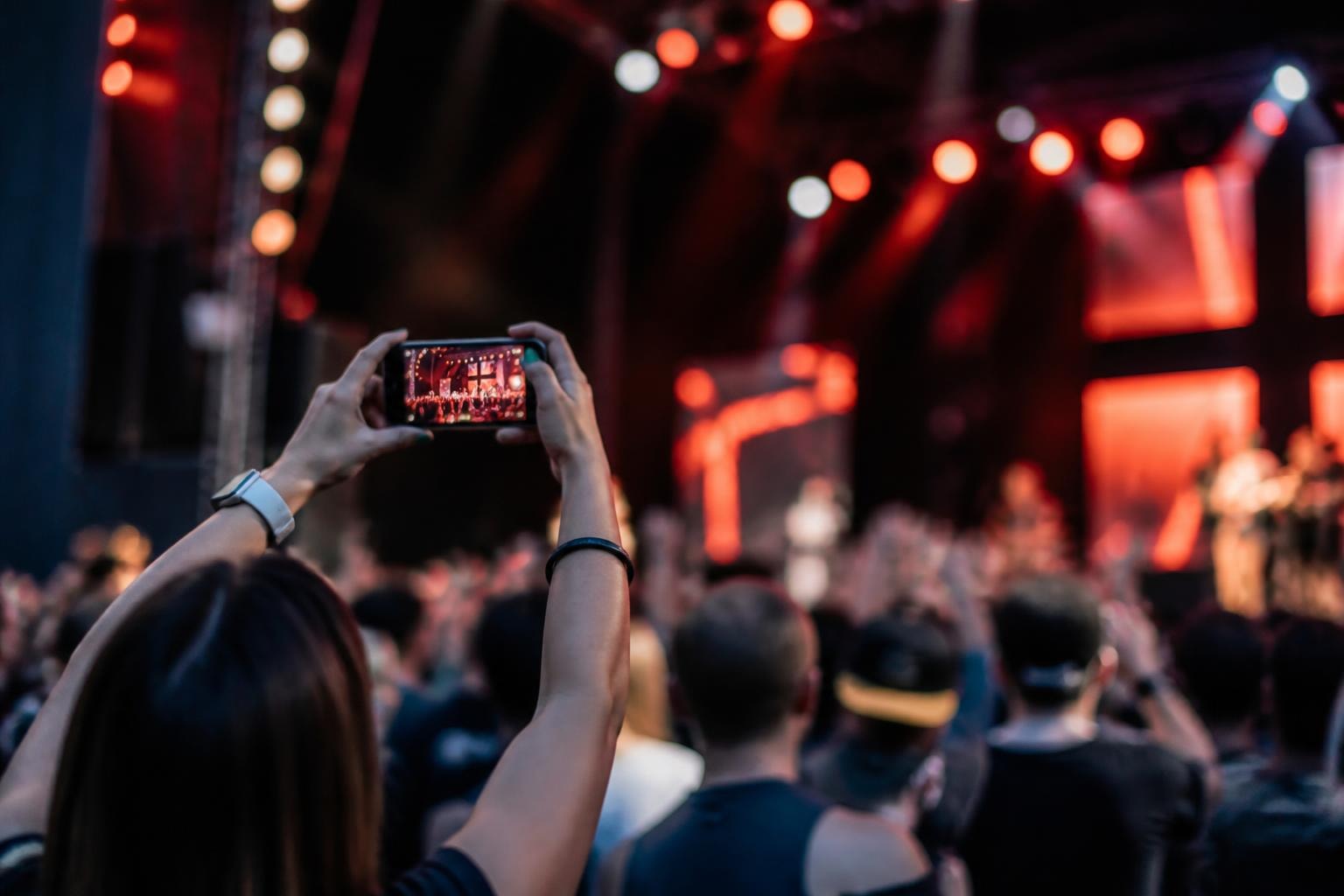

You're spending thousands on professional videographers, only to get footage that looks polished but feels empty. Meanwhile, your attendees are already filming the best moments on their phones. They're capturing genuine reactions, unexpected angles, and the kind of authentic energy that no production crew can manufacture. That's ugc content creation in action, and it's probably the most underutilised asset sitting in your attendees' pockets right now.
What Makes UGC Content Creation Actually Work
UGC content creation isn't about handing out cameras and hoping for the best. It's about giving people a reason to film and an easy way to share. When attendees create content, they're not trying to nail the perfect shot. They're sharing what genuinely excited them, which is exactly what makes it valuable.
The difference between professional content and UGC is simple: one tells your story, the other shows it through someone else's eyes. That shift matters more than you'd think.
The Three Elements Every UGC Strategy Needs
Platform accessibility comes first. If people need to download three apps, create an account, and navigate a confusing interface, they won't bother. The barrier to entry needs to be lower than opening Instagram.
Clear prompts tell people what to capture. "Film your favourite moment" works better than generic encouragement. Specific beats vague every time.
Instant gratification closes the loop. When someone films something cool and can immediately see it featured or shared, they'll film more. Simple psychology.
Why Event Organisers Are Switching to UGC
Professional video production for events costs anywhere from £3,000 to £15,000 depending on the scale. You get highlight reels that look great but capture maybe 2% of what actually happened. Meanwhile, user-generated content strategies show that attendee-created videos cover more ground, feel more authentic, and cost dramatically less to produce.
Here's what changes when you shift to ugc content creation:
- Coverage multiplies: One videographer captures one perspective. Two hundred attendees capture two hundred perspectives.
- Authenticity increases: People trust peer content more than branded content. That's not opinion, that's research-backed reality.
- Costs drop: You're not paying for crew, equipment, or editing time. The content creates itself.
- Reach expands organically: When attendees share their videos, they're tapping into their own networks. Your event reaches people you'd never reach through paid promotion.
The shift isn't about replacing professional content entirely. It's about supplementing polished brand videos with the raw, genuine moments that actually move people.
Setting Up Your UGC Content Creation System
Most organisers overcomplicate this. You don't need complicated tech stacks or months of planning. You need a clear system that attendees can use without thinking.
Choose Your Platform Approach
| Approach | Best For | Setup Time | Control Level |
|---|---|---|---|
| Dedicated app | Multi-day events, recurring festivals | 2-4 weeks | High |
| Hashtag campaign | One-off events, small gatherings | 1 day | Medium |
| QR code upload portal | Conferences, corporate events | 1 week | High |
| Hybrid system | Large-scale events with varied audiences | 3-4 weeks | Very High |
A best ugc platform handles the technical side while you focus on getting people excited about filming. The platform should do the heavy lifting: collecting videos, managing permissions, and making content shareable.
Design Your Capture Strategy
Tell people exactly what to film. Not "capture the energy" but "film your reaction when the headliner comes on stage" or "show us the view from your seat". Specific prompts get better results than vague inspiration.
Timing matters too. Prompt people during natural breaks, between sessions, or right after memorable moments. Don't interrupt the experience to ask for content. Automate event video curation where possible so your team isn't drowning in manual work.
Mobile-first is non-negotiable. Everyone has a phone. Not everyone has a camera. Design everything around what people already carry.
Getting Attendees to Actually Film Content
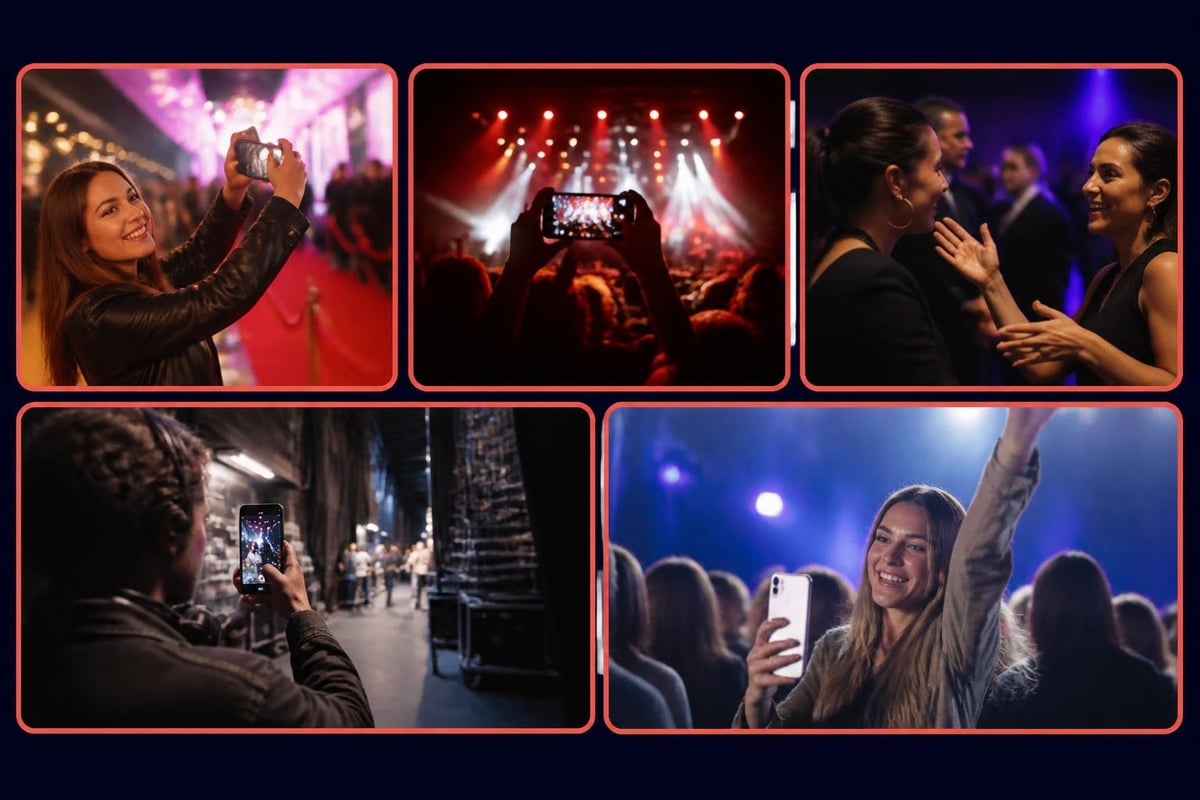
Here's the problem: people want to enjoy the event, not work as your content team. Your job is making content creation feel like enhancement, not obligation.
Incentive Structures That Work
- Feature their content publicly: Display the best submissions on screens during the event. People love seeing themselves on the big screen.
- Create competitions with real prizes: "Best crowd reaction video wins VIP tickets to next year" beats generic participation awards.
- Make sharing effortless: Pre-populate captions, suggest hashtags, remove every possible friction point.
- Acknowledge contributors: Simple shoutouts or credits in official recaps go further than you'd expect.
The trick is making participation valuable to them, not just to you. When ugc video content serves both parties, engagement follows naturally.
Communication Timing and Channels
Pre-event: Send clear instructions through registration emails. Explain what you're doing and why it matters. Include download links if you're using an app.
During event: Use signage, announcements, and staff reminders. QR codes placed strategically beat lengthy explanations.
Post-event: Share the compiled content and thank contributors. This sets expectations for next time and shows you actually used what they created.
Don't assume people saw your first message. Repeat key information through multiple channels without being annoying about it.
Editing and Curating Without Drowning in Footage
You'll get more content than you can use. That's good, but only if you can sort through it efficiently. Manual review of hundreds of clips kills the cost savings that made ugc content creation attractive in the first place.
Smart Filtering Methods
- Time-based filtering: Content captured during key moments (headliner performances, keynote speeches) usually outperforms random clips
- Engagement metrics: If attendees are already liking and sharing certain videos within your platform, prioritise those
- Length screening: Videos under 10 seconds or over 2 minutes often need more work to be useful
- Quality thresholds: Basic lighting and audio checks filter out unusable footage automatically
AI-assisted curation tools handle the initial sorting. You make final decisions on what represents your event best. The balance matters. Pure automation misses context, pure manual review doesn't scale.
Turning Raw Clips into Shareable Content
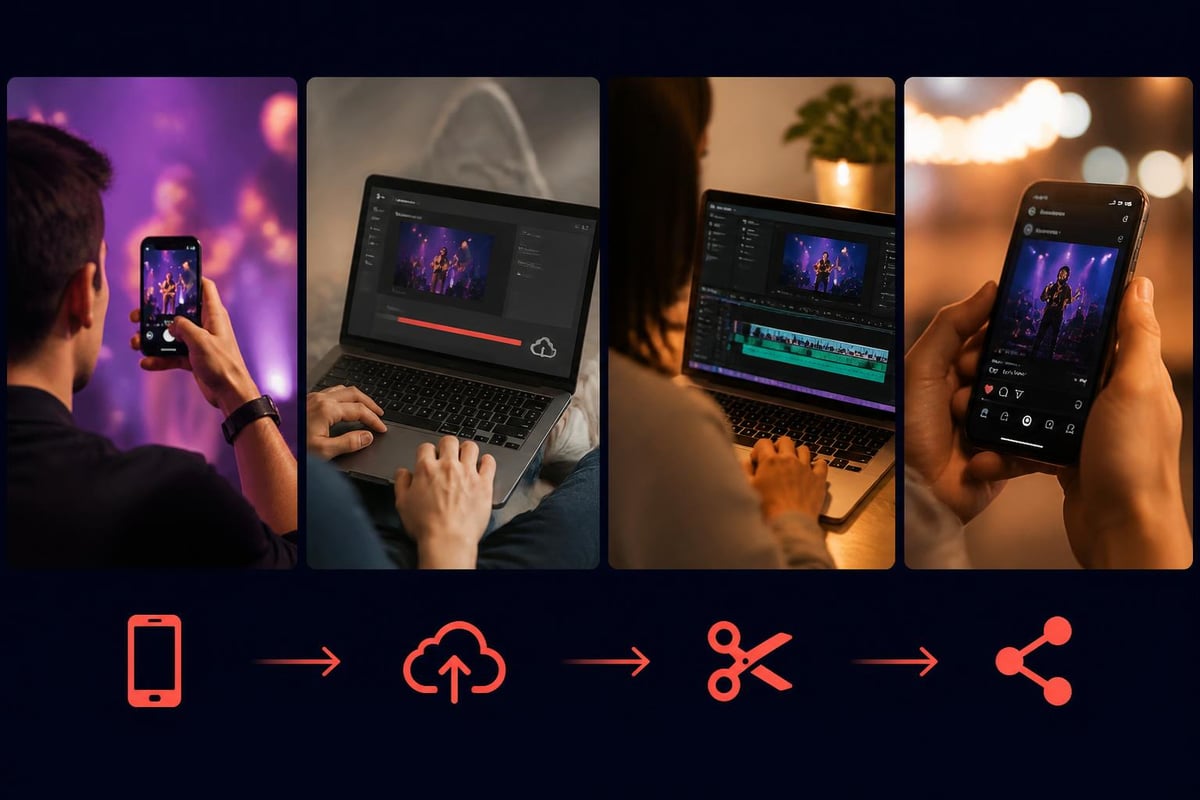
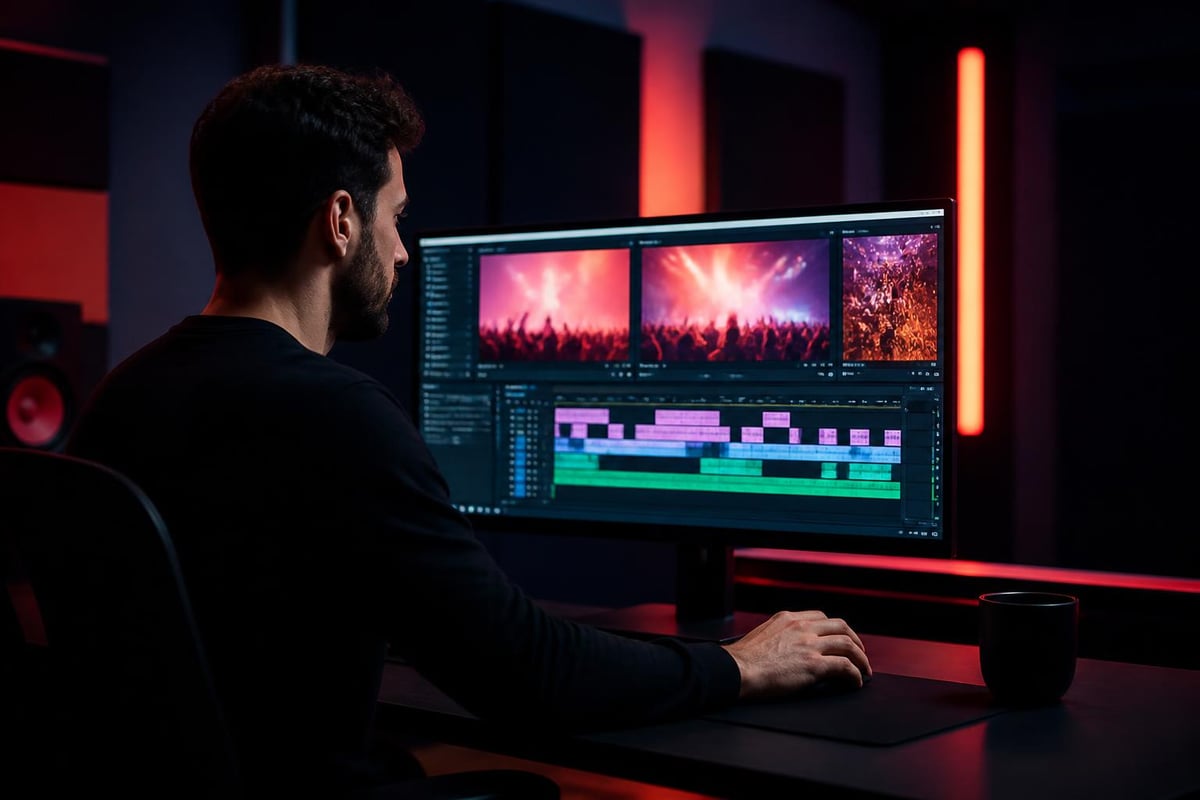
Random clips don't tell stories. Compiled, edited content does. This is where ugc content creation moves from collection to value creation.
Assembly Strategies
Theme-based compilations work well: "Best crowd reactions", "Behind the scenes moments", "Attendee highlights". Each tells a specific story rather than trying to capture everything.
Platform-specific editing matters more now than ever. What works on Instagram won't work on LinkedIn. Understanding how to convert horizontal video to vertical and adapting content for different platforms multiplies your reach without creating new content from scratch.
Music and pacing transform disconnected clips into cohesive stories. Match energy levels to content type. High-energy moments deserve high-energy soundtracks. Reflective moments need space to breathe.
| Content Type | Ideal Length | Best Platform | Edit Intensity |
|---|---|---|---|
| Event highlights | 30-60 seconds | Instagram, TikTok | High |
| Attendee testimonials | 15-30 seconds | LinkedIn, Twitter | Medium |
| Behind-scenes moments | 45-90 seconds | Facebook, YouTube | Low |
| Reaction compilations | 20-40 seconds | Instagram Reels, TikTok | High |
The goal isn't perfection. It's authentic representation that feels cohesive enough to share.
Distribution That Actually Reaches People
Creating great content means nothing if nobody sees it. Distribution strategy separates successful ugc content creation campaigns from wasted effort. Sprout Social's user-generated content guide emphasises that sharing UGC effectively requires understanding platform algorithms and audience behaviour.
Multi-Platform Publishing
Each platform has different sweet spots:
- Instagram and TikTok: Short, high-energy clips with strong visual hooks in the first second
- LinkedIn: Professional event moments, speaker highlights, networking content
- Facebook: Longer compilations that tell complete stories, especially useful for Facebook Reels
- YouTube: Extended highlights, full session recordings, comprehensive event recaps
Don't just duplicate content across platforms. Adapt it. What crushes on TikTok might bore LinkedIn audiences to death.
Leveraging Attendee Networks
When you share UGC, tag the creators. They'll share it with their networks, multiplying your reach without spending a penny on promotion. This is content curation for social media at its most effective: using existing networks to amplify reach organically.
Encourage attendees to share their own submissions. Make it easy by providing:
- Direct links to their featured content
- Pre-written captions they can customise
- Branded hashtags that tie back to your event
- Graphics or templates they can add to their stories
The compound effect of hundreds of people sharing authentic moments beats any paid advertising campaign.
Measuring What Actually Matters
Vanity metrics feel good but mean little. Views and likes are nice. Conversions and ticket sales matter more.
Metrics Worth Tracking
Engagement rate shows whether content resonates. Compare UGC performance against professionally produced content. The gap often surprises organisers who assumed polished always wins.
Share velocity measures how quickly content spreads. UGC typically spreads faster because it comes from trusted sources (other attendees) rather than branded accounts.
Conversion tracking links content directly to actions. How many people bought tickets after seeing attendee videos? That's your ROI number.
Cost per piece of content compares UGC economics against traditional production. Include platform costs, staff time, and incentives. Even with those factored in, UGC usually wins by a wide margin.
Handling Permissions and Rights
Legal headaches kill otherwise successful ugc content creation programmes. Get this sorted before you collect a single video.
Permission Structures
Clear terms of use matter. When attendees upload content, they need to understand:
- How you'll use their videos
- Whether you can edit them
- If you'll credit them
- How long you retain rights
- Whether they retain rights to their own content
Make permissions part of the upload process, not an afterthought. A simple checkbox with clear language beats pages of legal text that nobody reads.
Model releases become necessary if you're using content for commercial purposes beyond event promotion. If attendee videos appear in paid advertising or sponsor materials, explicit written consent protects everyone.
Common Pitfalls and How to Avoid Them
Most ugc content creation failures follow predictable patterns. Here's what kills programmes before they start:
Overcomplicated processes: If capturing and uploading content requires more than three steps, participation drops off a cliff. Simplicity wins.
Poor quality control: Not every video deserves publication. Curate ruthlessly or your feed becomes noise instead of signal.
Ignoring contributors: When people take time to create content and never hear back, they won't participate again. Acknowledgment costs nothing and builds loyalty.
Platform mismatch: Choosing tools that don't match your audience's technical comfort level guarantees frustration. Know who you're working with and meet them where they are.
No follow-through: Collecting content and doing nothing with it wastes everyone's time. If you're not committed to using UGC strategically, don't bother collecting it.
Scaling Beyond Single Events
Once ugc content creation works for one event, scaling to multiple events or ongoing programmes becomes the next challenge. The systems that work for a 500-person conference won't necessarily work for a 10,000-person festival.
Building Repeatable Systems
Template everything: Upload processes, editing workflows, distribution schedules. What worked once will probably work again with minor adjustments.
Train your team: Staff turnover happens. Documented processes ensure continuity even when key people leave.
Refine based on data: Each event teaches you something. Track what prompts generated the best content, which incentives drove participation, and which distribution channels delivered results.
Expand contributor networks: Previous attendees become advocates. They know the system and can help newcomers get up to speed, reducing the educational burden on your team.
Integration with Broader Content Strategy
UGC shouldn't exist in isolation. It's most powerful when integrated with your overall content marketing approach, complementing rather than replacing other content types.
Professional production still has its place for hero content, sponsor deliverables, and high-stakes announcements. UGC fills the gaps: the authentic moments, the diverse perspectives, the volume of coverage that professional crews can't match.
Think of it as layers. Professional content establishes your brand's visual identity and quality standards. UGC adds depth, authenticity, and scale. Content curation best practices suggest balancing both approaches for maximum impact.
The organisations seeing the best results treat ugc content creation as core strategy, not supplementary tactic. It influences event design, marketing planning, and sponsor packages from the beginning rather than being bolted on afterward.
UGC content creation turns your attendees into your content team, giving you authentic coverage at a fraction of traditional production costs. The key is making participation effortless and valuable for contributors while maintaining quality standards that serve your brand. If you're ready to transform how your events generate video content, SureShot ApS provides the platform that makes attendee storytelling simple, turning authentic moments into shareable content that extends your event's reach long after it ends.