
The trend ugc platform market isn't what it was three years ago. Back then, everyone was scrambling to build the next big thing. Now? The dust has settled, and we're seeing which approaches actually work. The platforms that survived aren't the ones with the flashiest features. They're the ones that solved real problems for real people. And the numbers back this up - user-generated content platform market is projected to reach $72.32 billion by 2033, driven by actual demand, not hype.
Why Event Content Changed Everything
Event organisers used to hire production crews. Multiple cameras, multiple angles, professional editors. The content looked great, but it felt... produced. Polished to the point where nobody believed it.
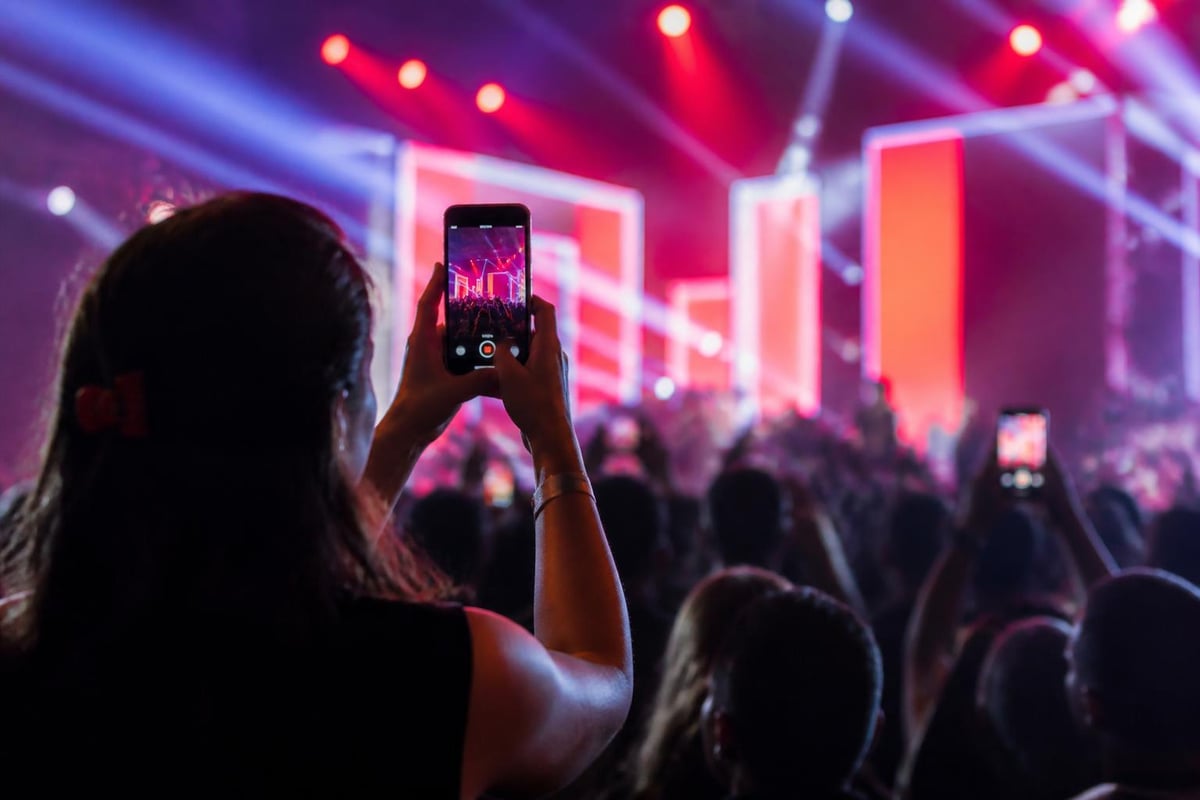
Then attendees started posting their own stuff. Shaky hands, terrible lighting, authentic moments. And it performed better. Way better.
Here's what changed:
- Production costs dropped from thousands to practically nothing
- Content volume increased exponentially
- Reach expanded organically through attendees' networks
- Authenticity became the currency that mattered
The trend ugc platform model emerged from this shift. Instead of fighting against attendee-generated content, smart organisers started enabling it. Platforms built specifically for UGC videos gave them the tools to collect, curate, and distribute this content at scale.
The Curation Problem Nobody Talks About
You've got 500 attendees. Each one films three clips. That's 1,500 videos to sort through. Good luck doing that manually.
This is where most DIY approaches fall apart. You either spend days sorting footage or you give up and miss the entire point. The trend ugc platform solution isn't about collection - anyone can set up a hashtag. It's about making sense of what you collect.
Modern platforms use smart workflows to handle the grunt work:
- Filter out the unusable stuff (blurry footage, dead air, accidental pocket recordings)
- Identify the actual moments (not just people talking, but reactions, energy, highlights)
- Surface the content that matches what you're trying to achieve
- Package it in formats that work for different channels
This isn't about replacing human judgement. It's about getting to the point where human judgement becomes possible.
What Makes a Platform Actually Useful
Most trend ugc platform options fall into one of two categories: too simple to be useful, or too complicated to actually use. The sweet spot is narrower than you'd think.
Mobile-First Isn't Optional Anymore
If your attendees need to download something to their laptop later, you've already lost. They're capturing content on their phones. They're sharing from their phones. The entire workflow needs to happen there.
What mobile-first actually means:
- Upload happens in the background while they're still at the event
- No file size juggling or compression decisions
- Immediate preview of how their content looks
- One-tap sharing to their preferred platforms
The technical stuff (codec choices, resolution handling, bandwidth optimization) should be invisible. Understanding video formats matters for platform builders, not for users.
Rights Management That Doesn't Require a Law Degree
Here's where most platforms completely drop the ball. Someone uploads content. You want to use it. Who owns what? Can you edit it? Can you use it in ads?
| Approach | Attendee Experience | Legal Protection | Usability |
|---|---|---|---|
| No consent system | Easy | None | High risk |
| Dense legal forms | Terrible | Good | Nobody does it |
| Built-in consent flow | Seamless | Solid | Actually works |
The trend ugc platform approach that works builds consent into the upload process. Not a separate step. Not a wall of text. Just clear options that make sense to normal humans.
The Social Media Distribution Puzzle
You've got great content. Now what? Posting it manually to six different platforms defeats the entire purpose of efficiency.
The video content curation workflow needs to handle distribution automatically, but with enough control that you're not just spamming channels.
Format Adaptation Matters More Than You Think
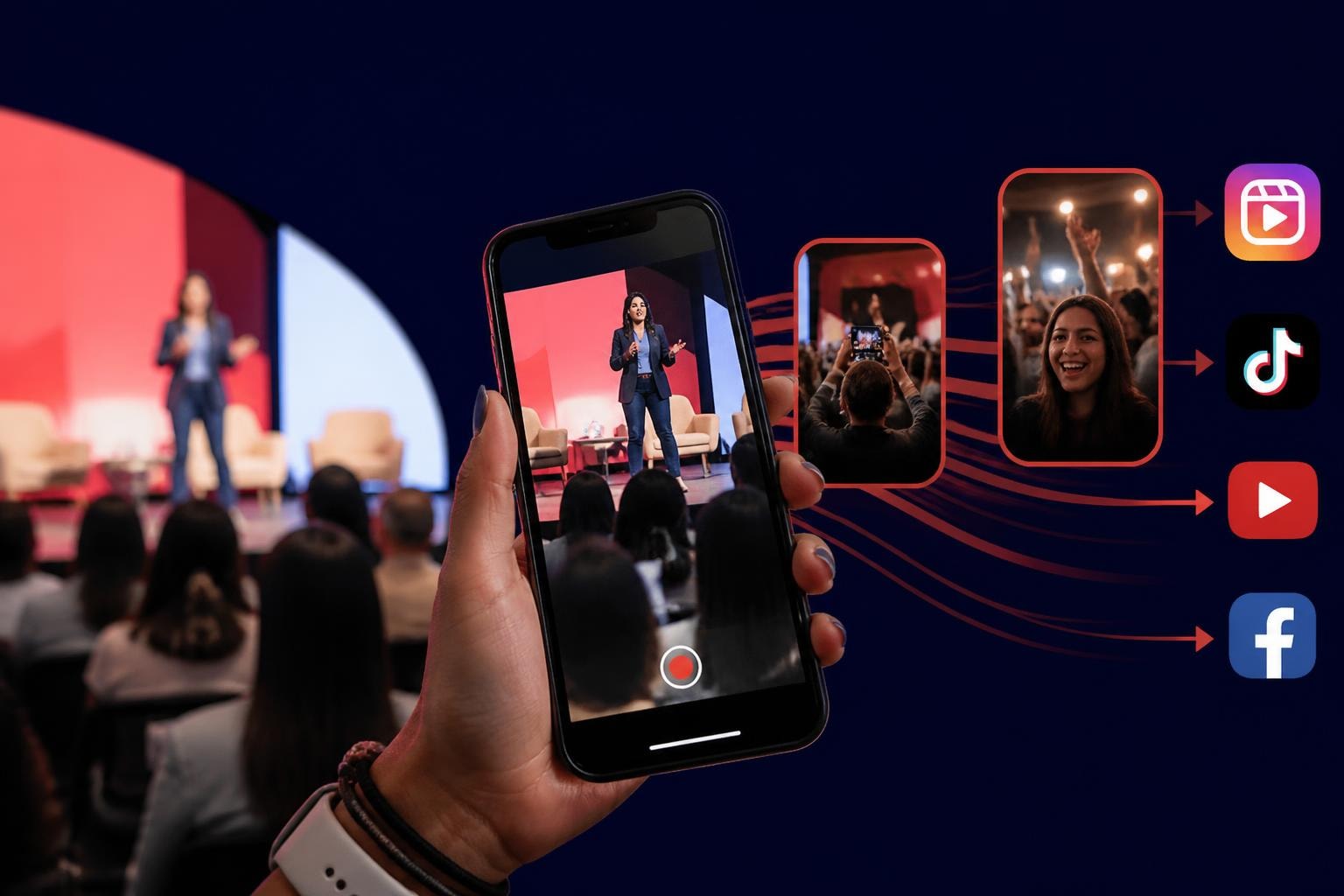
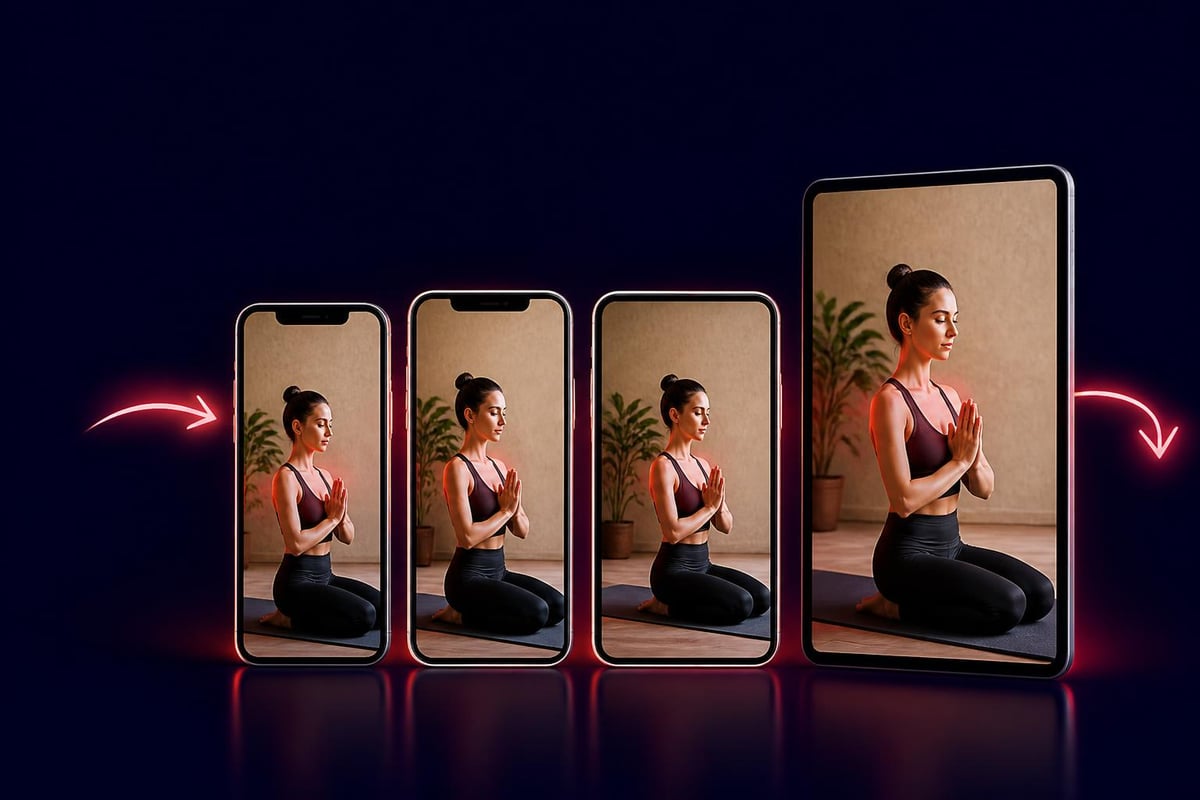
Instagram wants vertical. YouTube wants horizontal. LinkedIn has its own preferences. Creating separate versions manually is a waste of time.
Smart platforms handle this automatically:
- Vertical extraction from horizontal footage when needed
- Aspect ratio optimization for each platform's requirements
- Duration adjustments based on platform sweet spots
- Caption placement that works across different formats
Converting horizontal video to vertical used to require desktop software and manual work. Now it happens automatically as part of the distribution flow.
Timing Your Posts
Raw content posted immediately feels desperate. Content posted three weeks later feels irrelevant. The window is narrow.
The trend ugc platform model that works lets you:
- Queue content as it comes in
- Set distribution schedules that match platform algorithms
- Space posts to maintain presence without overwhelming followers
- Prioritize high-quality content for prime posting times
This isn't rocket science, but it requires tools that most basic platforms don't provide.
What the Market Actually Looks Like
Research into user-generated content statistics shows consistent growth, but the story behind the numbers is more interesting than the numbers themselves.
The Big Players Aren't Where You Think
Everyone assumes Instagram or TikTok are the trend ugc platforms to watch. They're not. They're distribution channels. The actual platform layer sits between content creation and distribution.
Current market segments:
- Event-specific platforms (festivals, conferences, corporate events)
- Brand activation platforms (retail, experiential marketing)
- Community engagement platforms (local groups, membership organizations)
- Campaign-based platforms (contests, challenges, seasonal content)
Each segment has different requirements. What works for brand activation strategies might completely fail for conference content.
Where the Growth Actually Is
User-generated content platform market analysis points to several clear trends, but one stands out: events.
Why? Because events are temporary, high-energy environments where traditional content production struggles to keep up. A music festival generates more authentic moments in three days than a brand can produce in three months.
Here's what's driving adoption:
- Lower production budgets forcing creative solutions
- Attendee expectations around social sharing
- Organic reach declining on paid channels
- Authenticity becoming the primary trust signal
The trend ugc platform that succeeds in events can usually adapt to other use cases. The reverse isn't always true.
The Technical Bits That Actually Matter
You don't need to understand codecs, but you should understand what they enable. The technical foundation determines what's possible later.
Storage and Processing
When 500 people upload HD video simultaneously, things break. Unless the infrastructure was built for it.
What you need:
| Feature | Why It Matters | What Happens Without It |
|---|---|---|
| Cloud storage | Unlimited capacity | Upload failures |
| Edge processing | Faster uploads | Long wait times |
| Automatic compression | Manageable file sizes | Storage costs explode |
| CDN distribution | Global access | Regional slowdowns |
This stuff is invisible when it works. Painfully obvious when it doesn't.
Smart Curation vs Generated Content
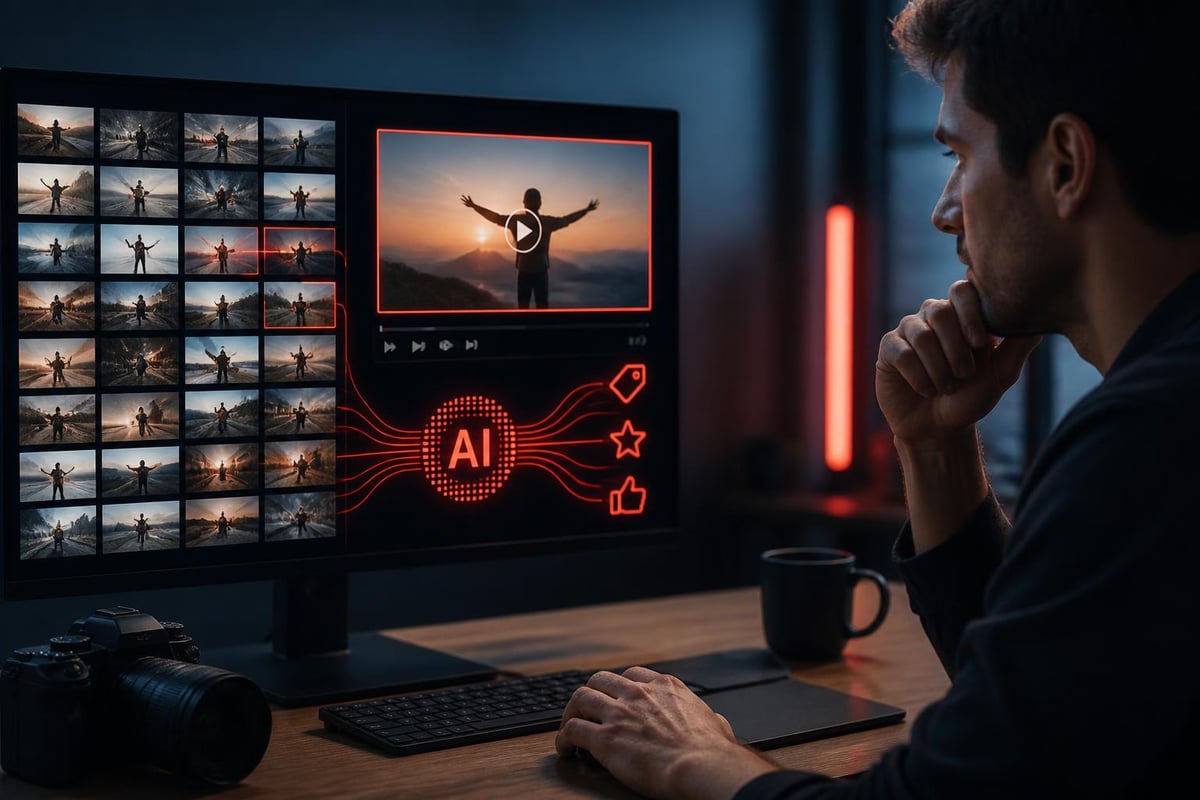
There's a massive difference. Generated content is synthetic. Smart curation helps humans work with authentic content faster.
A trend ugc platform working properly:
- Identifies which uploaded videos contain actual content worth reviewing
- Flags potential issues (shaky footage, audio problems, privacy concerns)
- Suggests optimal crop points and duration edits
- Matches content to predetermined categories or themes
It's not creating anything. It's helping you work with what your attendees already created.
Making It Work for Your Event
Theory is fine. Implementation is where most projects die. Here's what actually works.
Setting Up for Success
Before your event starts:
- Create clear guidelines for what you want captured (not rules, suggestions)
- Make participation stupidly easy (QR codes, not app store searches)
- Show examples of what good content looks like
- Explain what you'll do with their content
During the event:
- Remind people to capture (announcements, signage, staff prompts)
- Show uploaded content on screens to encourage participation
- Respond quickly to uploads with likes or comments
- Feature the best content in real-time
After the event:
- Curate systematically, don't just pick favourites
- Distribute strategically across channels
- Tag and credit creators
- Measure actual impact, not vanity metrics
Common Mistakes to Avoid
Asking for too much. "Please film a 60-second testimonial" gets ignored. "Capture your favourite moment" gets hundreds of responses.
Complicated upload processes. Every extra step loses 30% of potential contributors. Keep it to open app, record, upload.
Ignoring content after collection. If you don't use what people submit, they won't submit next time.
Over-editing. The point of UGC is authenticity. Light curation, not Hollywood production.
The ROI Nobody Expects
Traditional event video production runs £3,000-£15,000 depending on the event. A trend ugc platform subscription runs £100-£500/month. The math is obvious.
But the real ROI isn't cost savings. It's reach.
How the Numbers Actually Work
Professional highlight reel: reaches 5,000 people, generates 200 engagements, costs £5,000. That's £25 per engagement.
User-generated content from 100 attendees: reaches 50,000+ people (through attendees' networks), generates 2,000+ engagements, costs £500. That's £0.25 per engagement.
The multiplier effect:
- Each attendee has 200-500 social connections
- Personal content performs better than branded content
- Organic sharing extends reach exponentially
- Authenticity drives higher engagement rates
This isn't theoretical. It's what crowdsourced event video delivers consistently.
Metrics That Actually Matter
Forget views. Views mean nothing if they don't drive action.
Track:
- Upload participation rate (what percentage of attendees contribute)
- Content quality distribution (how much is actually usable)
- Secondary sharing (attendees sharing your curated compilations)
- Conversion from content (signups, ticket sales, partnerships)
A trend ugc platform worth using provides these metrics automatically. If you're calculating them manually, you're using the wrong tools.
Where This Goes Next
The trend ugc platform market keeps evolving, but certain directions are clear.
Real-Time Everything
The gap between capture and distribution keeps shrinking. Within two years, expect near-instant processing and publishing. Content captured at 8 PM appears on social channels by 8:05 PM.
This changes event dynamics. Instead of documenting what happened, content becomes part of what's happening.
Better tools, less obvious automation
Current curation tools are good. Next-generation will be invisible. You won't know it's filtering and prioritizing. You'll just notice the content that surfaces is consistently better.
Integration Everywhere
Standalone platforms are dying. The trend ugc platform model that wins integrates with event management, ticketing, CRM, and marketing automation. Not through clunky APIs, but as native features.
Privacy Gets Serious
GDPR was just the start. Expect stricter requirements around consent, data handling, and content rights. Platforms built for UGC collection need legal infrastructure, not just technical infrastructure.
What This Means for Event Organizers
You've got three choices. Ignore UGC and stick with traditional production. Try to manage it yourself with basic tools. Or use a proper trend ugc platform.
The first option is expensive and increasingly ineffective. The second option wastes massive amounts of time. The third option is the only one that scales.
The barriers aren't technical anymore. They're organizational. Getting your team comfortable with authentic content over polished content. Trusting attendees to represent your event. Accepting that messy is often more engaging than perfect.
The platforms designed specifically for user-generated event content handle the technical complexity. You handle the creative direction and strategy.
That's the actual trend in UGC platforms: they're becoming invisible infrastructure instead of complicated software you need to learn.
The trend ugc platform landscape has matured past the experimental phase. What works is clear: mobile-first collection, smart curation tools, and automated distribution that maintains authenticity while reducing manual workload. If you're running events and not leveraging attendee-created content, you're leaving reach and engagement on the table. SureShot turns your attendees into storytellers, capturing authentic moments that traditional production crews miss, then distributes that content across channels while you focus on running great events. The technology handles the complexity so you can focus on the creative decisions that actually matter.