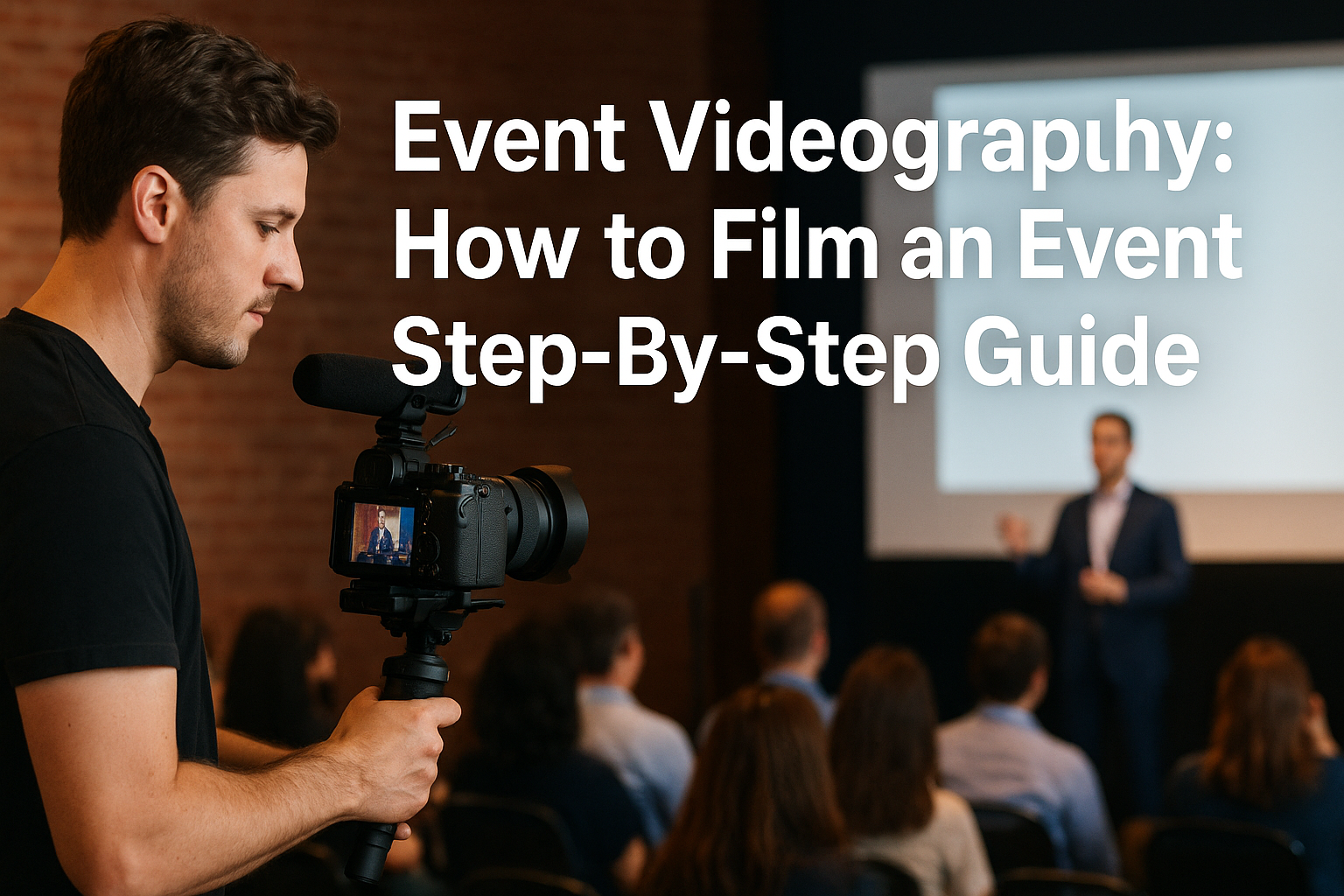
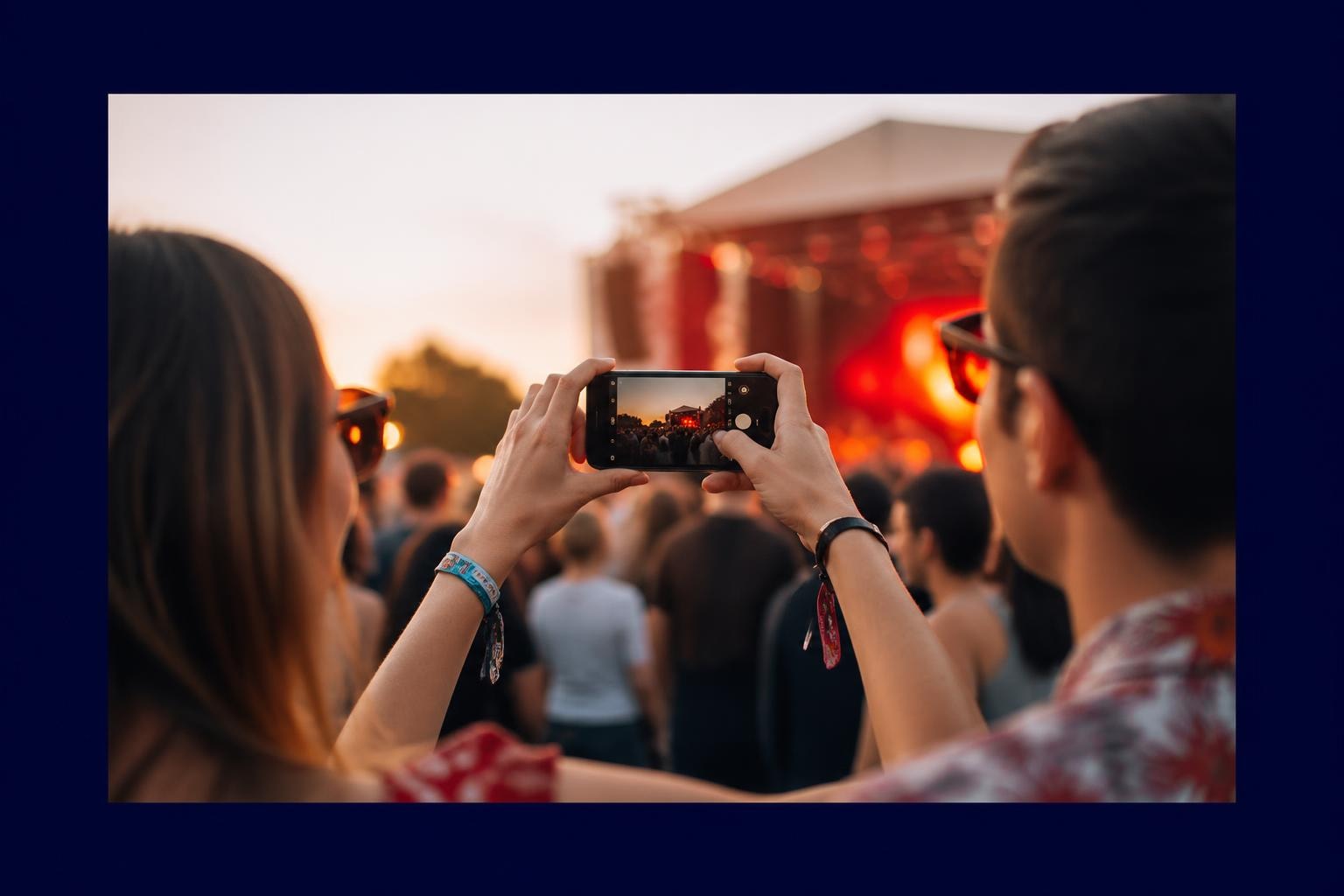

You've probably scrolled past dozens of story vlogs this week without realising it. That quick clip of someone's festival experience, the behind-the-scenes moment at a conference, the spontaneous reaction to a live performance-these aren't professionally produced videos. They're raw, authentic snippets of real experiences, and they're changing how events create and share content. A story vlog differs from traditional vlogging because it focuses on capturing specific moments and experiences rather than documenting entire days or events. It's the difference between a three-minute highlight and a thirty-minute documentary.
What Makes a Story Vlog Different
Traditional vlogs follow a predictable format: intro, main content, outro, call to action. They're planned, scripted, and edited to follow a narrative arc.
Story vlogs throw that rulebook out the window.
The Raw Moments Win
A story vlog captures a single moment, emotion, or experience. It's the twenty-second clip of someone discovering their favourite band is playing next. It's the genuine reaction when the surprise guest appears. It's the shaky camera footage of the crowd singing along to the final song.
These moments work because they're real. Your brain knows the difference between curated content and authentic moments, even if you can't articulate why. When someone points their phone at something that actually moved them, that emotion transfers.
Why Length Matters
Story vlogs typically run fifteen seconds to two minutes. Not because attention spans are short (though they are), but because that's how long a genuine moment actually lasts.
Think about the last time something surprised or excited you. How long did that pure reaction last before your brain kicked into analysis mode? Probably not long. Story vlogs capture that window.
Key characteristics of effective story vlogs:
- Under two minutes in duration
- Single focus or moment
- Minimal editing
- Authentic emotion or reaction
- Mobile-first recording
How Events Use Story Vlogs
Event organisers used to hire video teams, coordinate shoots, and spend weeks in post-production. The results looked professional but often felt sterile. Attendees couldn't see themselves in the content.
Story vlogs flip this model entirely.
Attendees as Storytellers
When you give attendees the tools to capture and share their experiences, something interesting happens. They don't film what they think they should film-they film what actually matters to them.
That's valuable data you can't get any other way.
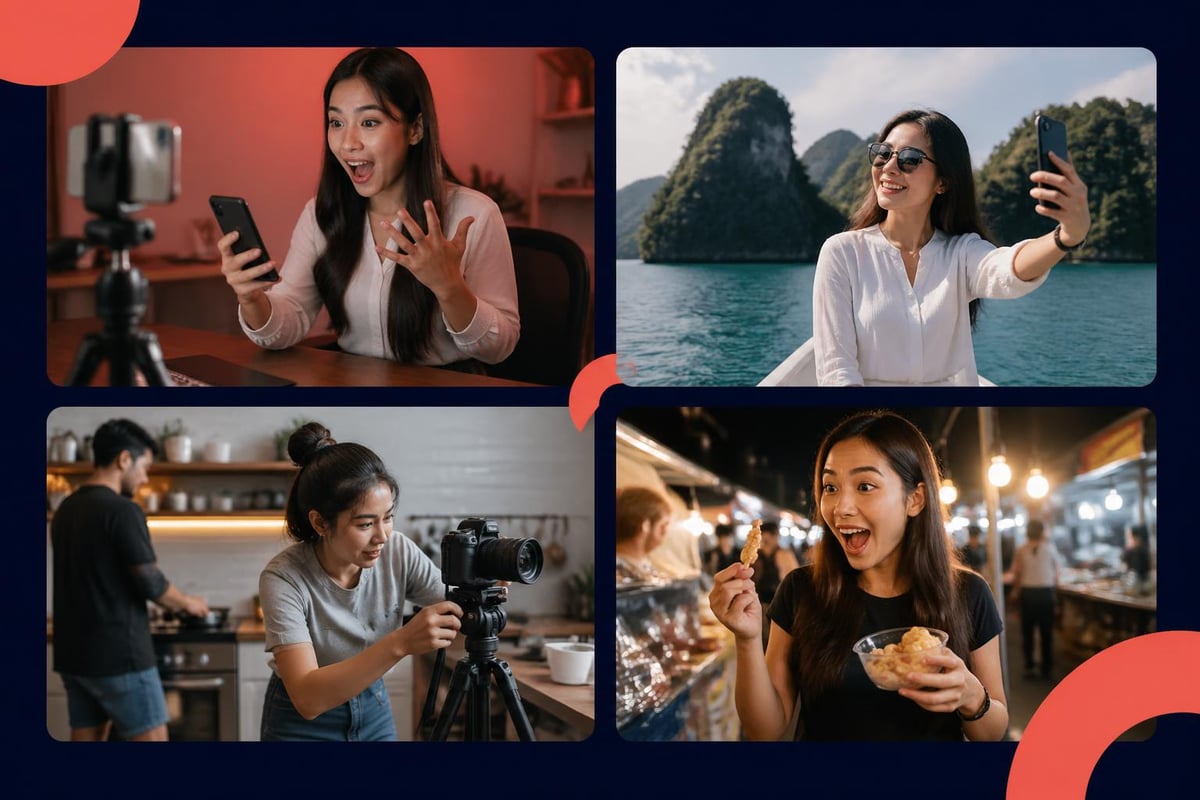
One person films the food stalls because they're a foodie. Another captures the art installations because that's what drew them in. Someone else records their friends dancing because that shared moment meant everything to them. Collectively, these individual story vlogs paint a complete picture of your event that no single videographer could capture.
Platforms like SureShot enable this by giving attendees an easy way to submit their clips, which organisers can then curate and share.
| Traditional Event Video | Story Vlog Approach |
|---|---|
| Single perspective | Multiple authentic viewpoints |
| High production cost | Minimal investment |
| Weeks to produce | Real-time sharing |
| Professional feel | Genuine emotion |
| Limited reach | Organic social spread |
The Distribution Advantage
Here's where story vlogs get interesting for event organisers. When attendees create content, they share it. When they share it, their networks see it. When their networks see authentic moments (not ads), they pay attention.
This is earned media at its finest. You're not paying for reach-you're earning it through genuine experiences that people want to share. Each story vlog becomes a mini-advertisement that carries social proof because it comes from someone's mate, not a brand.
Creating Effective Story Vlogs
You don't need fancy equipment or editing skills. You need to capture something real.
Pick Your Moments
Not every moment deserves a story vlog. The best ones share common traits:
- Genuine emotion - Surprise, joy, excitement, even frustration if it's relatable
- Relatability - Something your audience has experienced or wants to experience
- Visual interest - Movement, colour, energy, something that catches the eye
- Context - Enough information that viewers understand what they're watching
The Creative Bloq guide emphasises content consistency, but for story vlogs, consistency in authenticity matters more than posting schedules.
Technical Basics That Actually Matter
Forget about cinematic shots. Here's what actually improves a story vlog:
- Steady-ish footage - Shake adds energy, but motion sickness doesn't
- Decent audio - People will forgive bad video, but bad audio kills engagement
- Natural light - Or any light, really. Just make sure viewers can see what's happening
- Horizontal or vertical - Pick one based on platform, stick with it
For web sharing, understanding video formats helps ensure your clips look good everywhere.

The Storytelling Framework
Even spontaneous moments need some structure. Not a script-a framework.
The Three-Second Rule
You've got three seconds to make someone care. Start with the hook-the most interesting visual or audio moment. Don't build up to it.
Bad: "So we're here at the festival and we've been walking around and..." Good: [Opens on crowd going wild] "This is why we came."
HubSpot's vlogging guide covers the three-act structure, but story vlogs condense this dramatically. You're working with setup (3 seconds), moment (10-30 seconds), reaction (5-10 seconds).
Show, Don't Narrate
Your viewers have eyes. If they can see what's happening, shut up and let them experience it. Add narration only when it provides context they can't get visually.
The best story vlogs often have minimal talking. Just real audio from the environment mixed with brief reactions or explanations.
End With Energy
Don't let your clip fade out or trail off. End on a high note-the peak of the moment or a genuine reaction. Cut while energy is still high, leaving viewers wanting slightly more.
Platforms and Format Considerations
Where you share determines how you shoot.
Platform-specific requirements:
| Platform | Ideal Length | Format | Key Feature |
|---|---|---|---|
| Instagram Stories | 15 seconds | Vertical | Stickers, polls |
| TikTok | 15-60 seconds | Vertical | Trending audio |
| YouTube Shorts | 15-60 seconds | Vertical | Discovery feed |
| Facebook Reels | 15-90 seconds | Vertical | Cross-posting |
| 30-45 seconds | Either | Fast-paced |
Understanding how to create effective reels helps maximise reach across platforms. Many event organisers need to convert horizontal footage to vertical for mobile-first platforms.
Cross-Platform Strategy
Don't create different content for each platform. Create once, optimise for each. Your story vlog works everywhere if the core moment is strong enough.
Adjust the format and maybe add platform-specific elements (hashtags for TikTok, tags for Instagram), but keep the content identical. This saves time and maintains consistency across your presence.
Curation Over Creation
Here's what most event organisers miss: you don't need to create all the content yourself.
Community-Generated Libraries
When attendees capture story vlogs, you're building a library of authentic content. The trick is curating it effectively.
Not every clip deserves sharing. Look for:
- Clear audio and visual quality
- Positive sentiment (unless you're specifically addressing issues)
- Diverse perspectives
- Moments that showcase your event's unique value
- Content that aligns with your brand
Video content curation becomes your primary job, not video production. This shift reduces costs whilst increasing authenticity.
Rights and Permissions
Before you share anyone's content, get permission. Simple as that.
Use platforms with built-in consent management to handle permissions automatically. When someone submits a clip, they grant usage rights under specific terms. This protects you legally and respects contributors.
Some events offer incentives for content submission-free tickets to next year's event, merchandise, or simple recognition. The best incentive is usually just featuring their content. People love seeing their perspective highlighted.
Measuring What Matters
Vanity metrics don't pay bills. Focus on metrics that indicate real engagement and value.
Beyond View Counts
Views tell you people saw your content. They don't tell you if anyone cared.
Better metrics for story vlogs:
- Average watch percentage (did people finish it?)
- Shares (did people want others to see it?)
- Comments (did it spark conversation?)
- Click-through rates (did it drive action?)
- Save/bookmark rates (do people want to return to it?)
If your sixty-second story vlog has a 90% average watch time and gets shared fifty times, that's more valuable than a video with 10,000 views but 20% watch time and no shares.
A/B Testing Moments
Not sure which moments resonate? Test them.
Share two different story vlogs at similar times and compare performance. One captures the headliner's performance, another shows the crowd's reaction. Which performs better? That tells you what your audience values.
Understanding storytelling methods for vlogs provides frameworks you can test against each other.
Common Mistakes to Avoid
Even simple formats have pitfalls.
Things that kill story vlogs:
- Over-editing - Transitions, effects, and filters often subtract more than they add
- Too much setup - Get to the point immediately
- Poor audio - Background music that drowns out the actual moment
- No context - Leaving viewers confused about what they're watching
- Forced enthusiasm - Fake energy is worse than low energy
The British Council's vlogging tips emphasise choosing engaging topics, but for story vlogs, the topic chooses itself-it's whatever's happening right now.
The Authenticity Trap
Some organisers try to make user-generated story vlogs look professional. They add branding, colour correction, transitions, and effects.
This defeats the entire purpose.
The value of a story vlog is that it looks like something your mate sent you, not something a marketing team produced. Polish removes authenticity. Keep edits minimal-trim the start and end, maybe adjust volume levels, and that's it.
Future of Event Content
Event marketing is moving from broadcast to conversation. Story vlogs sit at the centre of this shift.
Traditional event promotion: "Look at our amazing event!" Story vlog approach: "Here's what people actually experienced."
One is marketing. The other is proof.
Building Community Through Shared Stories
When attendees share story vlogs, they're not just creating content-they're joining a community of people who experienced something together. Next year, they'll want to create more moments worth capturing.
This creates a virtuous cycle. Better experiences lead to better story vlogs, which attract more attendees who want those experiences, who create more content. Event quality and marketing feed each other.
For crowd-sourced video content to work at scale, you need systems that make submission and curation effortless. Manual collection doesn't scale past small events.
The Smart Curation Layer
Here's where technology helps without replacing authenticity. You're not using tools to generate fake content - you're using them to sort through hundreds of real clips efficiently.
These tools can identify:
- Visual quality issues
- Audio problems
- Duplicate moments
- Key highlights based on engagement patterns
- Optimal clip lengths for different platforms
You still make final decisions, but the tools handle the grunt work. This lets you focus on content curation strategy rather than technical processing.
Making It Sustainable
One-off story vlog campaigns create temporary buzz. Sustainable approaches build lasting value.
Create Collection Infrastructure
Make it dead simple for attendees to share content with you. If they need to remember your email address, find it later, and send files through WeChat, you've already lost.
QR codes at the event that link directly to video submission pages work brilliantly. Scan, upload, done. Three taps maximum.
Reward Contributors
Recognition matters more than you'd think. Feature the best story vlogs prominently, tag creators, and celebrate their perspectives.
Some events create "Creator of the Month" features or compile year-end highlights of the best community content. This costs nothing and builds loyalty.
Develop Guidelines, Not Rules
Give contributors loose guidelines about what makes good content, but don't constrain them with strict rules. You want authentic perspectives, not conformity.
Helpful: "Capture moments that made you feel something" Unhelpful: "Videos must be exactly 30 seconds, show our logo, and mention sponsors"
Story vlogs work because they're real. In a world drowning in polished, produced, and packaged content, authentic moments cut through the noise. For event organisers, tapping into attendee perspectives creates better content whilst reducing production costs-and those real experiences spread naturally because people actually want to share them. If you're ready to transform your event attendees into storytellers and capture authentic moments that matter, SureShot ApS provides the platform to make collection, curation, and sharing effortless.