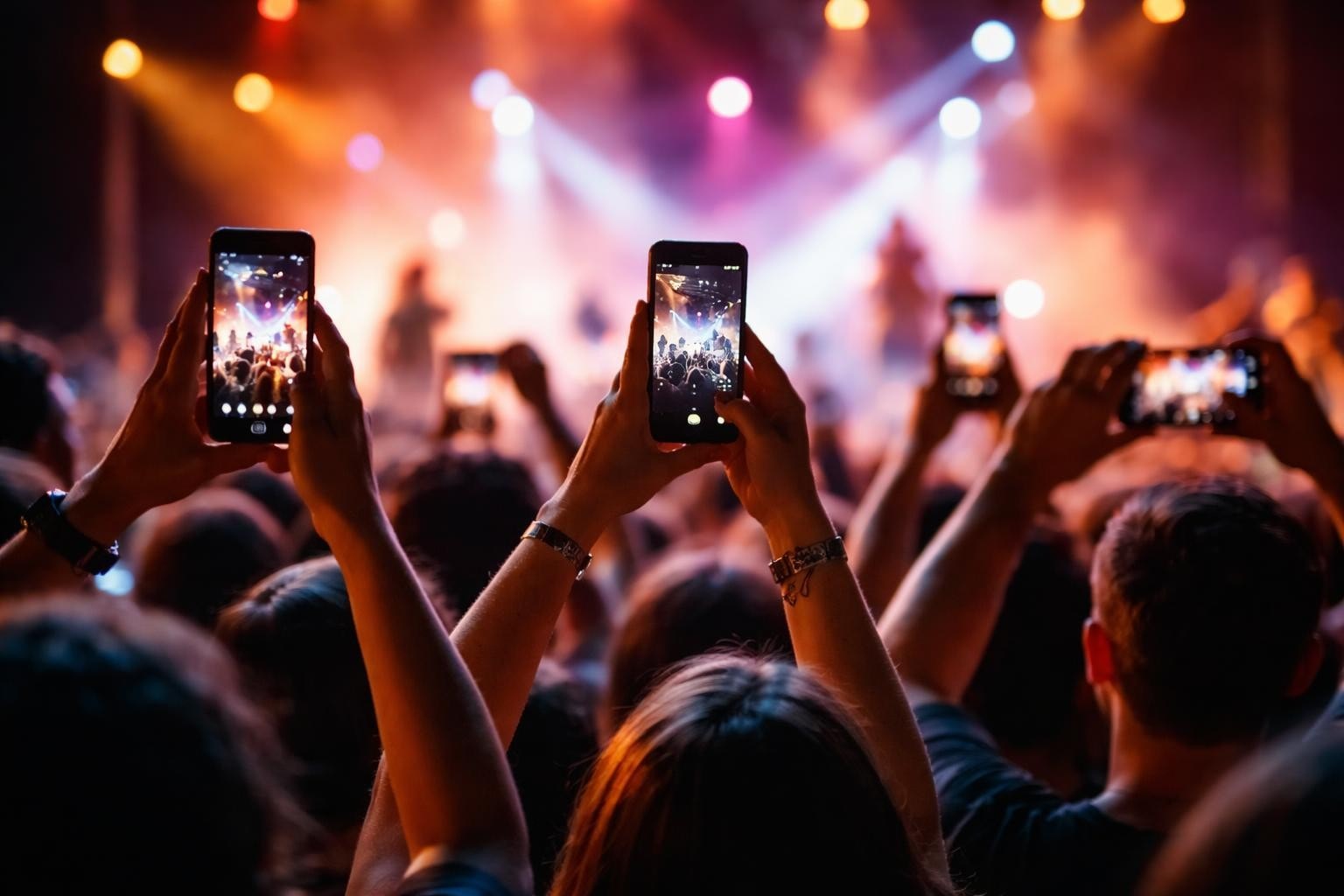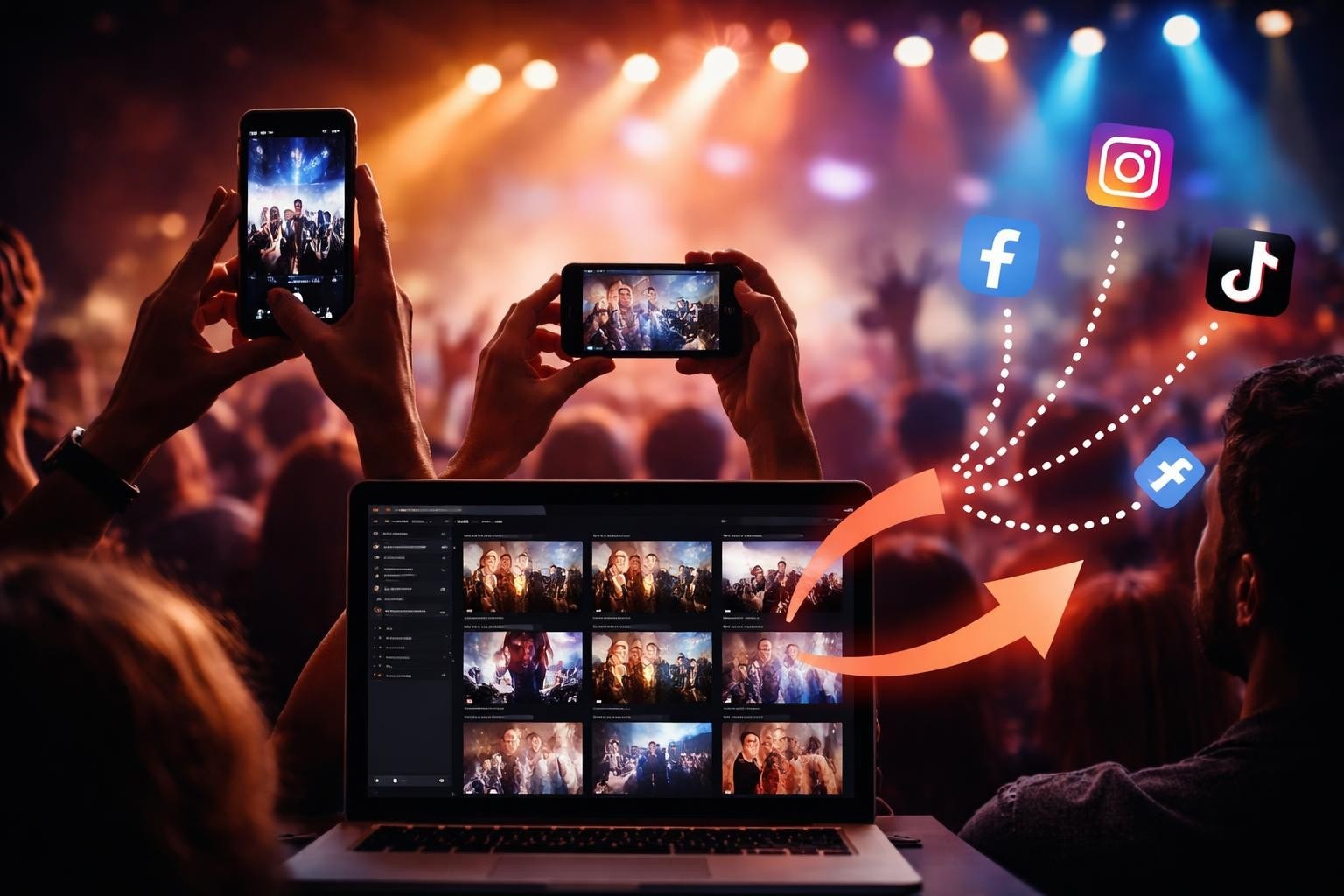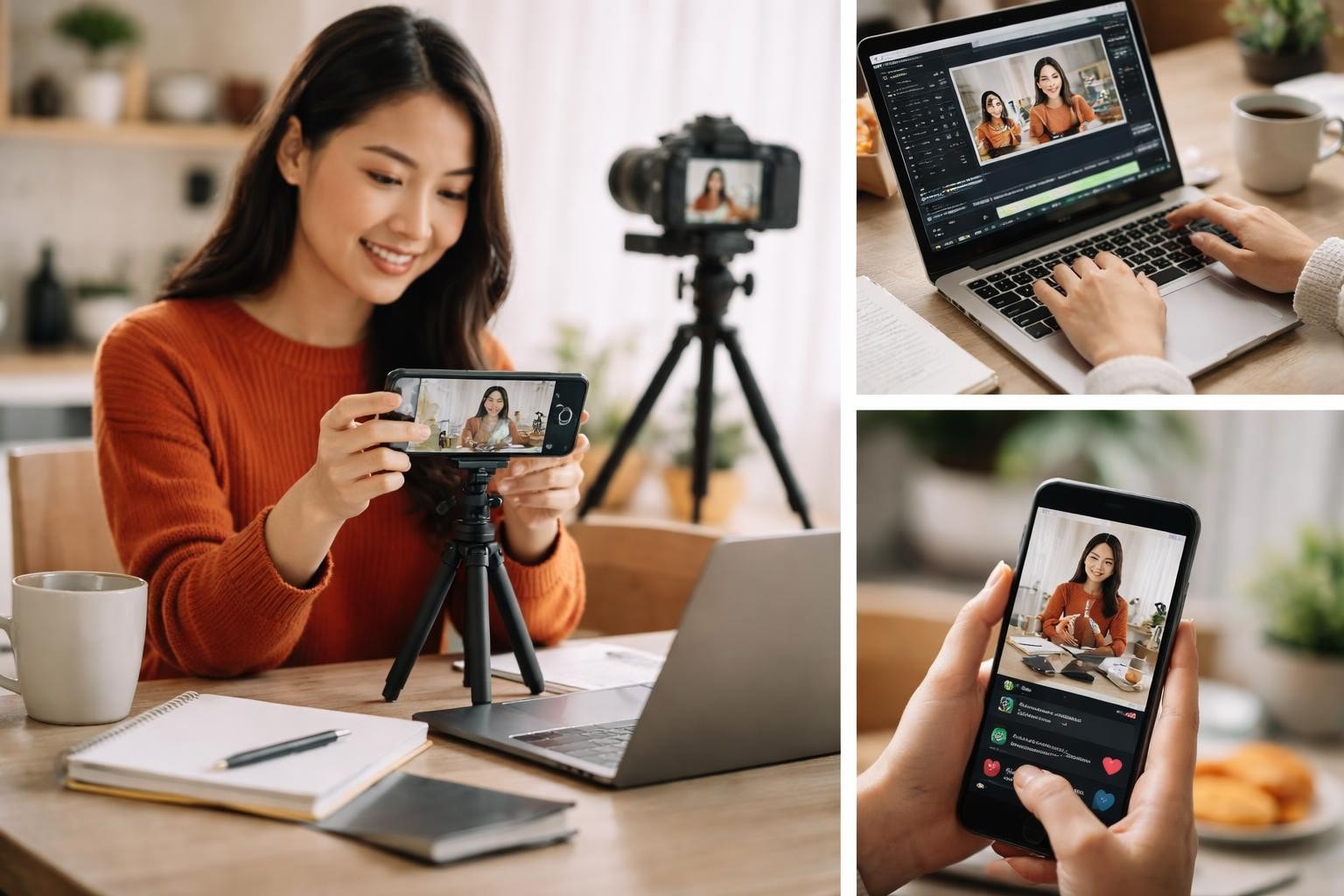
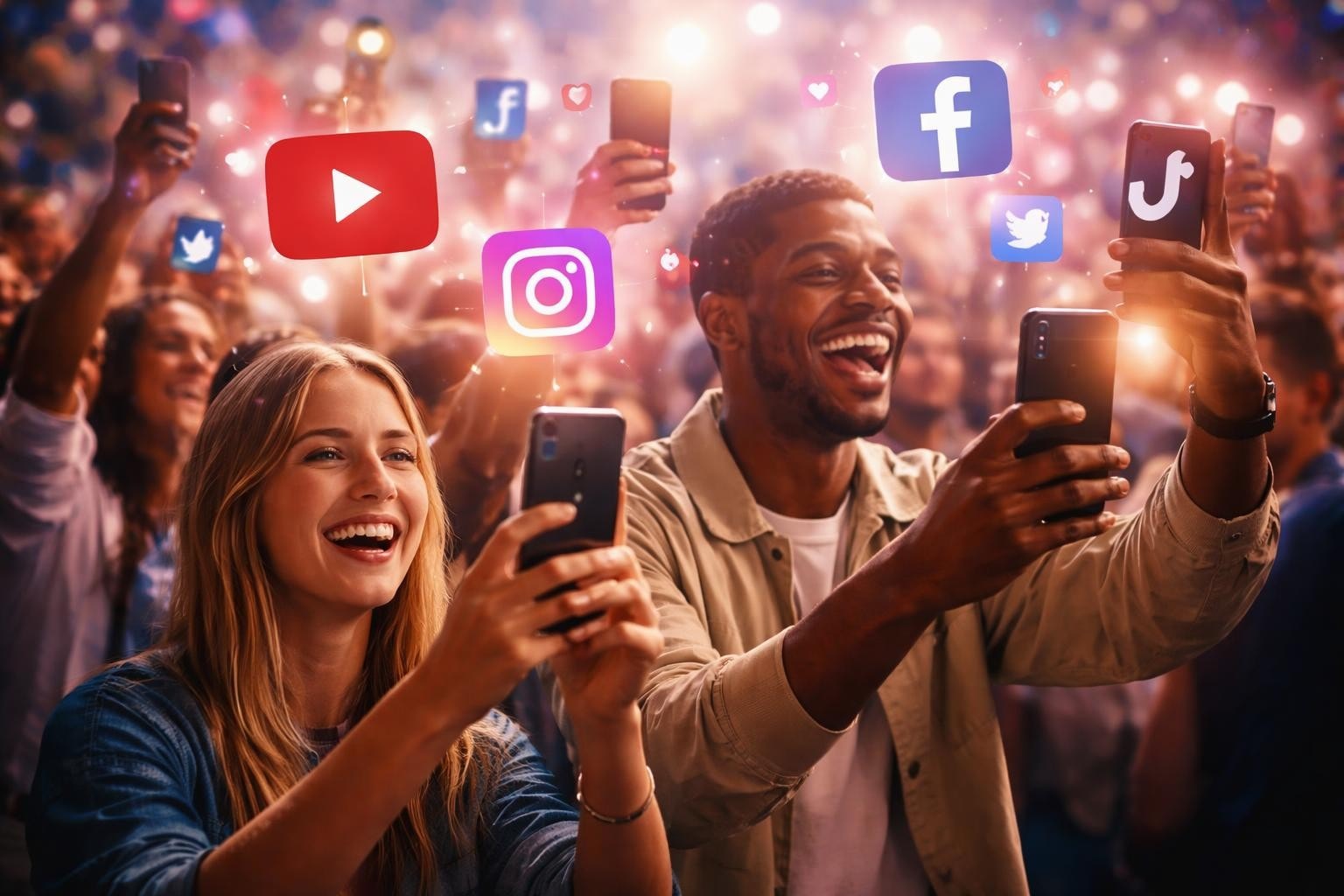

Sharing your event videos isn't the same as posting them. One is a mindless upload. The other is a strategic move that turns attendees into distributors, creates authentic content, and builds reach without burning budget. The difference matters because most event organisers treat video like a content dump rather than a distribution strategy. They film, edit, post, and wonder why nobody cares. Meanwhile, the real gold sits in attendees' pockets-authentic moments they're already filming and actually want to share.
Why Sharing Your Videos Changes Everything
When you share your professionally produced event highlight reel, you're competing with Netflix. When attendees share their videos, they're telling stories to friends who trust them. That's not marketing. That's how things actually spread.
The numbers back it up. User-generated content gets 28% higher engagement than brand content. Not because it's better produced (it's not), but because it feels real. Your mate posting a wobbly video from a music festival beats a polished promo every time.
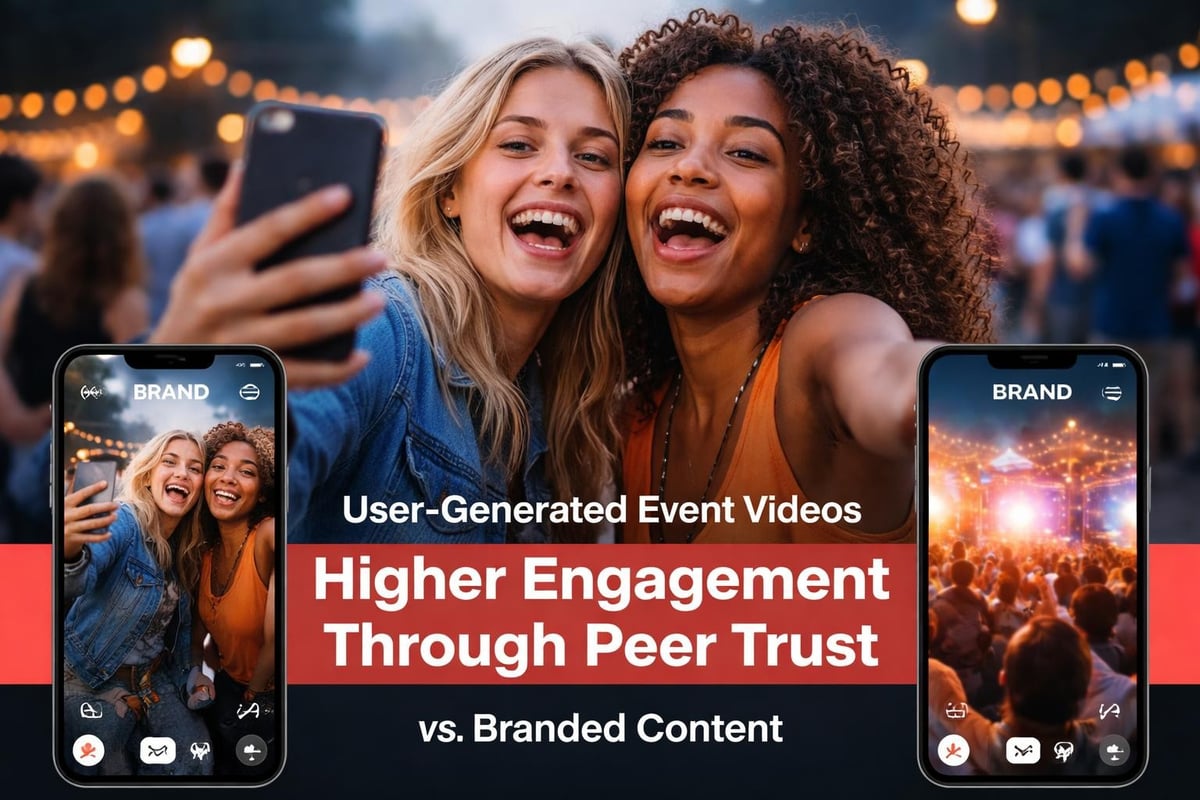
Here's what actually happens when sharing your event content becomes part of the attendee experience:
- Organic reach multiplies without ad spend
- Authenticity replaces production value as the currency
- Content costs drop because attendees do the filming
- Social proof builds itself through real stories
The shift from broadcaster to enabler isn't just philosophical. It's practical. When you build systems for automating event video curation, you're not replacing human touch. You're making it scalable.
The Legal Bits Nobody Wants to Talk About
Sharing your attendee-generated videos without sorting permissions first is asking for trouble. Copyright, privacy rights, and data protection aren't optional extras. They're the foundation.
What Can Go Wrong
Let me be blunt: legal risks in user-generated content range from annoying to catastrophic. Someone films themselves. You share it. They later claim you violated their image rights. Or worse, someone appears in the background, didn't consent, and now you've got a GDPR headache.
The common mistakes:
- Assuming filming at your event means you can use the footage
- Not getting clear consent before sharing your attendees' videos
- Ignoring music copyright in background audio
- Posting without checking who else appears in frame
How to Actually Fix It
Start with proper consent management. Not a buried clause in the ticket terms. Clear, specific permission to use the content they create. Make it simple. Make it obvious. Make it early.
| Risk Area | What It Means | How to Handle It |
|---|---|---|
| Copyright | Music, artwork, other videos in shot | Get creator rights or use copyright-free alternatives |
| Privacy | People in frame who didn't consent | Blur faces or get explicit permission |
| Data Protection | Personal information in videos | Follow GDPR requirements for collection and storage |
| Platform Rules | Each social network has different terms | Check before sharing your content across platforms |
The technical side matters too. When understanding content licensing, you're not just covering yourself legally. You're building trust with the people creating content for you.
Research on hybrid curation workflows shows that combining automated filtering with human oversight catches problems before they become public disasters. AI spots potential issues. Humans make the call. Both matter.
Making Sharing Your Content Actually Easy
People won't share your event videos if it's complicated. Full stop. The barrier between filming and sharing needs to be near zero.
Think about what stops someone from sharing:
- File size too large for mobile upload
- No clear call to action
- Confusing sharing process
- Not sure if they're allowed to
- Can't find the right format for each platform
Fix these and sharing your content becomes the default, not the exception.
The Technical Foundation
Video format matters more than you think. Most attendees don't know that choosing between H.264 and H.265 affects file size and compatibility. But you do, so handle it for them.
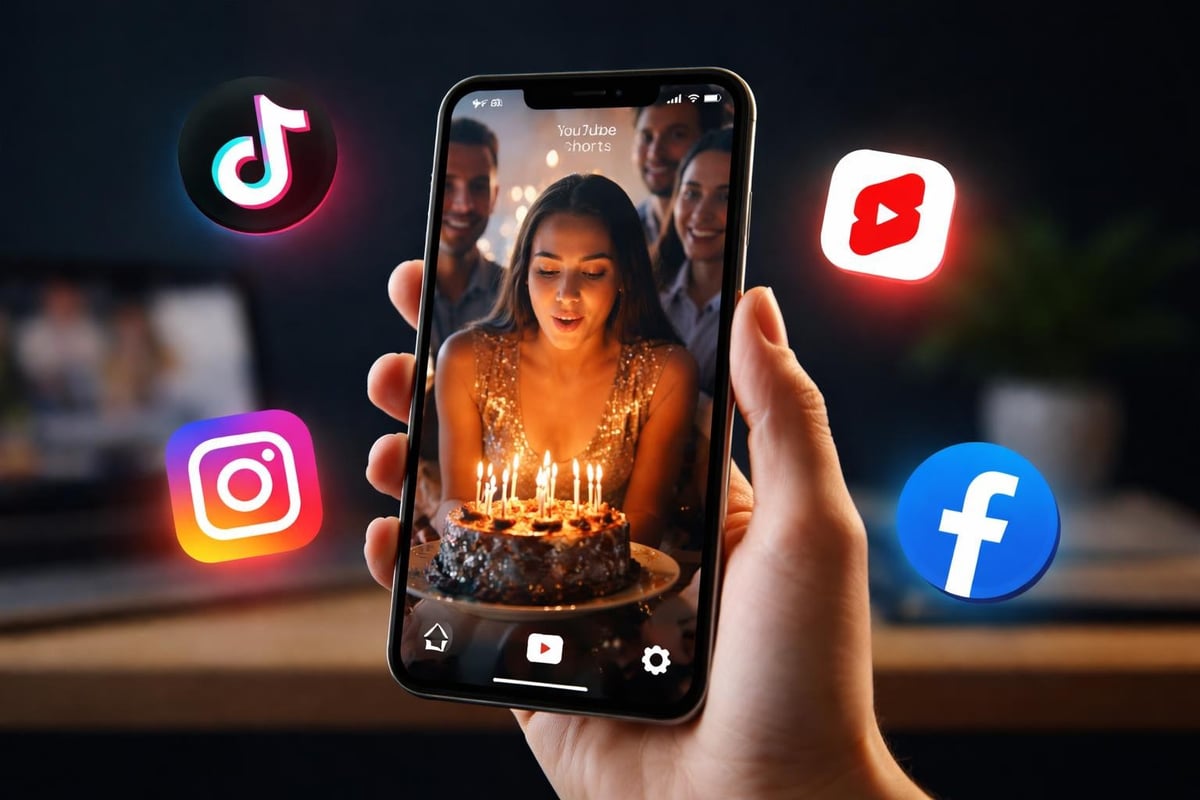
When sharing your videos across platforms, each one has preferences:
- Instagram Reels: 1080x1920, 9:16 ratio, under 90 seconds
- TikTok: Same vertical format, 60 seconds optimal
- YouTube Shorts: Vertical or square, under 60 seconds
- Facebook: Accepts most formats but prefers 4:5 for feed
Don't make attendees figure this out. The platform should handle it. One upload, multiple formats, automatic optimization. That's the standard now.
What Actually Gets Shared
Not all content is equal. Some moments spread. Others die. The pattern is predictable:
High-share content:
- Peak moments (goals, drops, reveals)
- Personal appearances or shout-outs
- Behind-the-scenes access
- Community moments (group reactions, shared experiences)
Low-share content:
- Generic crowd shots
- Long, unedited sequences
- Anything that feels like an ad
- Content without clear context
When you're selecting the right UGC platform, look for systems that identify shareable moments, not just storage buckets. The curation step matters as much as the collection.
Building a System That Actually Works
Sharing your event videos at scale isn't about hoping attendees do it. It's about building infrastructure that makes it inevitable.
Start with capture. Give attendees a clear, simple way to film and submit. A dedicated app beats email submissions every time. Lower friction, higher participation.
Then curate. Not everything deserves distribution. Research shows that effective curation workflows balance speed with quality. AI handles the volume. Humans handle the nuance.
The Curation Process
Here's what works:
- Automated filtering removes duplicates, poor quality, and obvious problems
- AI tagging identifies content types, peak moments, and potential issues
- Human review makes final calls on brand fit and quality
- Rights verification confirms permissions before distribution
- Format optimization preps files for each platform
The tools matter. When evaluating content curation software, look for platforms built specifically for video, not repurposed text tools.
Distribution Strategy
Once content is curated, sharing your videos becomes a question of timing and channel. Post everything immediately and you dilute impact. Hoard it all and you miss momentum.
The pattern that works:
| Timeframe | Content Type | Platform Priority | Purpose |
|---|---|---|---|
| During event | Peak moments, reactions | Instagram Stories, TikTok | Build FOMO, live engagement |
| 24-48 hours | Highlights, best clips | All platforms | Maximize reach while event is fresh |
| Week after | Longer edits, compilations | YouTube, Facebook | Extend lifecycle, reach late audiences |
| Ongoing | Evergreen moments | All platforms | Maintain presence between events |
Don't post and pray. Track what spreads. Double down on formats and moments that work. Cut what doesn't. Understanding short-form video length helps optimize for platform algorithms.
The Privacy Problem Nobody Solved Yet
Sharing your attendees' videos while respecting privacy isn't just good practice. It's legally required in most jurisdictions. But the solutions most platforms offer are rubbish.
The standard approach: blanket terms on the ticket. "By attending, you consent to being filmed." That might cover you filming attendees. It doesn't cover you redistributing content they created. Those are different rights.
What Actually Protects You
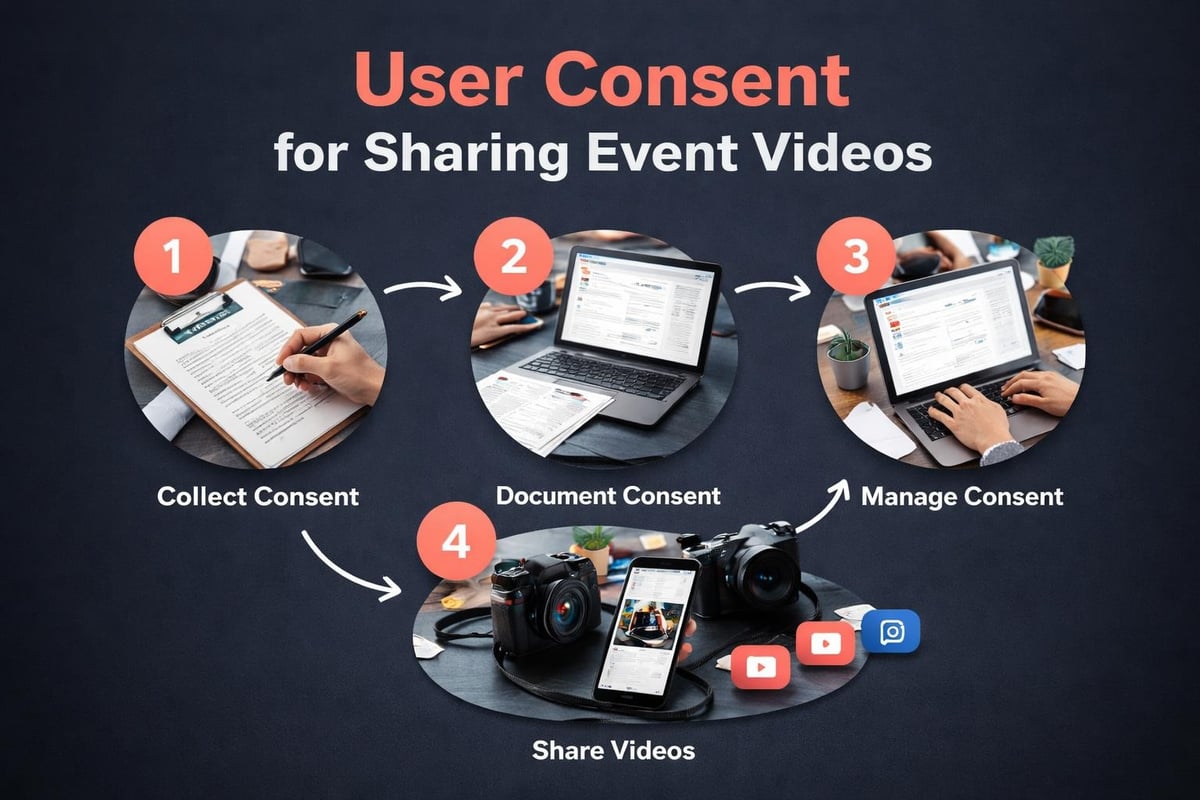
Specific consent for specific uses. When someone uploads a video through your platform, they need to explicitly agree to:
- You sharing their content
- Where you'll share it
- How you might edit it
- How long you'll keep it
Sounds tedious. It is. But it's also the difference between compliance and liability. Concerns about legal issues with user videos aren't theoretical. They're case law waiting to happen.
The smart move is building consent into the upload workflow. Not as an afterthought. As a required step. Make it clear, make it specific, make it logged.
Making It Worth Their While
People don't share your event videos out of charity. They share because it benefits them. Social currency, status, connection-these drive sharing behavior more than any incentive scheme.
The question isn't "How do we get attendees to share?" It's "Why would they want to?"
Real motivations for sharing:
- They look good in it
- It proves they were there
- It makes friends laugh
- It captures a unique moment
- It tells their story better than they could
Notice what's missing? "Because the brand asked them to." That's not how humans work.
When building systems for crowdsourcing event videos, the platforms that work best make sharing your content the natural next step, not a separate ask. Capture, light edit, share-all in one flow.
Recognition Systems That Don't Suck
Featured content matters. When attendees see their videos on the main screens, shared by the official channels, used in highlight reels-that's the payoff. Not points. Not badges. Actual visibility.
The implementation:
- Highlight top contributors during the event
- Feature best clips on official channels
- Create creator spotlights in post-event content
- Build recognition into the next event
This creates a cycle. People share hoping to be featured. Featured content inspires more sharing. The system feeds itself.
What the Data Actually Shows
Sharing your event videos generates measurable value. Not soft metrics. Hard numbers that matter to budget holders.
Events using attendee-generated content see:
- 3-5x organic reach compared to brand content alone
- 40-60% lower content production costs versus hiring full crews
- Higher conversion rates on post-event marketing (people trust peer content)
- Extended content lifecycle as attendees continue sharing weeks later
The research on compressing user-generated video addresses one practical barrier: file sizes that kill mobile sharing. Solving technical problems like this directly impacts participation rates.
But the real win is authenticity. When comparing content approaches, user-generated consistently beats brand-created on engagement. Not because brands are bad at content. Because audiences trust their mates more than marketers.
The Cost Reality
Traditional event video production runs £5,000-£50,000 depending on scale. You get polished content that performs okay.
User-generated approaches cost a fraction of that. Platform fees, curation time, maybe some editing support. You get hundreds of videos, authentic perspectives, and built-in distribution through attendees' networks.
It's not either/or. Smart events use both. Professional content for the official story. User-generated for authenticity and reach. The combination works better than either alone.
Platform Requirements That Actually Matter
When evaluating tools for sharing your event content at scale, most feature lists are noise. Here's what actually matters:
Must-haves:
- Mobile-first upload (attendees film on phones, not cameras)
- Automated curation assistance (you can't manually review 500 videos)
- Built-in consent management (legal coverage isn't optional)
- Multi-platform formatting (one upload, all formats)
- Analytics that show what spreads and why
Nice-to-haves:
- AI-powered highlight detection
- Automatic dubbing or captioning
- Integration with your existing marketing stack
- White-label options for brand consistency
The platforms built specifically for this use case handle these requirements better than general-purpose tools. When assessing video content creation software, ask whether it's designed for user-generated workflows or professional production. Different problems require different tools.
Integration Points
Sharing your content shouldn't require five different platforms. The system should connect:
- Collection (mobile app or web upload)
- Curation (review and approval workflow)
- Distribution (social platforms)
- Analytics (performance tracking)
- Rights management (consent and licensing)
When these pieces don't talk to each other, you waste time on manual handoffs. When they integrate properly, sharing your attendee videos becomes a streamlined operation rather than a project.
The Future Nobody Asked For
The trend is clear. Events that don't leverage attendee content will spend more and reach less. The bar for "professional video" keeps dropping while the premium on authenticity keeps rising.
But the evolution isn't about replacing production teams with attendees. It's about recognizing that both create different value. Professional crews capture the official story. Attendees capture what it felt like to be there.
Research on protecting young users on video platforms highlights emerging concerns about moderation and safety. As sharing your event content becomes standard practice, these considerations matter more. The platforms that survive will balance open participation with appropriate safeguards.
The tools are getting better. Curation is becoming more automated. The legal frameworks are clarifying. What's left is execution. Events that build attendee content into their strategy from the start will outperform those that treat it as an afterthought.
Sharing your event videos through attendee-generated content isn't a marketing tactic-it's infrastructure for how events grow in 2026. The attendees are already filming. The question is whether you're making it easy for them to share it and smart enough to curate what matters. SureShot handles the technical complexity so event organisers can focus on creating experiences worth capturing. Your attendees become your storytellers. Your content costs drop. Your reach multiplies. That's the actual value proposition, minus the fluff.