
You've seen it happen. Someone launches another video sharing app with "revolutionary features" and it dies within six months. The graveyard is full of platforms that looked slick but didn't solve an actual problem. The truth? Most video sharing apps fail because they chase TikTok's shadow instead of finding their own reason to exist. If you're running events or building communities, you don't need another generic platform. You need one that does something specific, and does it well.
Why Most Video Sharing Apps Miss the Point
The market's flooded with platforms that think they're building the next big thing. They add filters, trending sounds, and recommendation algorithms. Then they wonder why nobody sticks around.
Here's what they get wrong: they optimise for passive scrolling, not active participation. User-generated content and personalised recommendations drive engagement, but only when there's a reason for people to create in the first place.
The actual problems worth solving:
- Event organisers spend thousands on videographers who can't be everywhere at once
- Authentic moments happen when professionals aren't looking
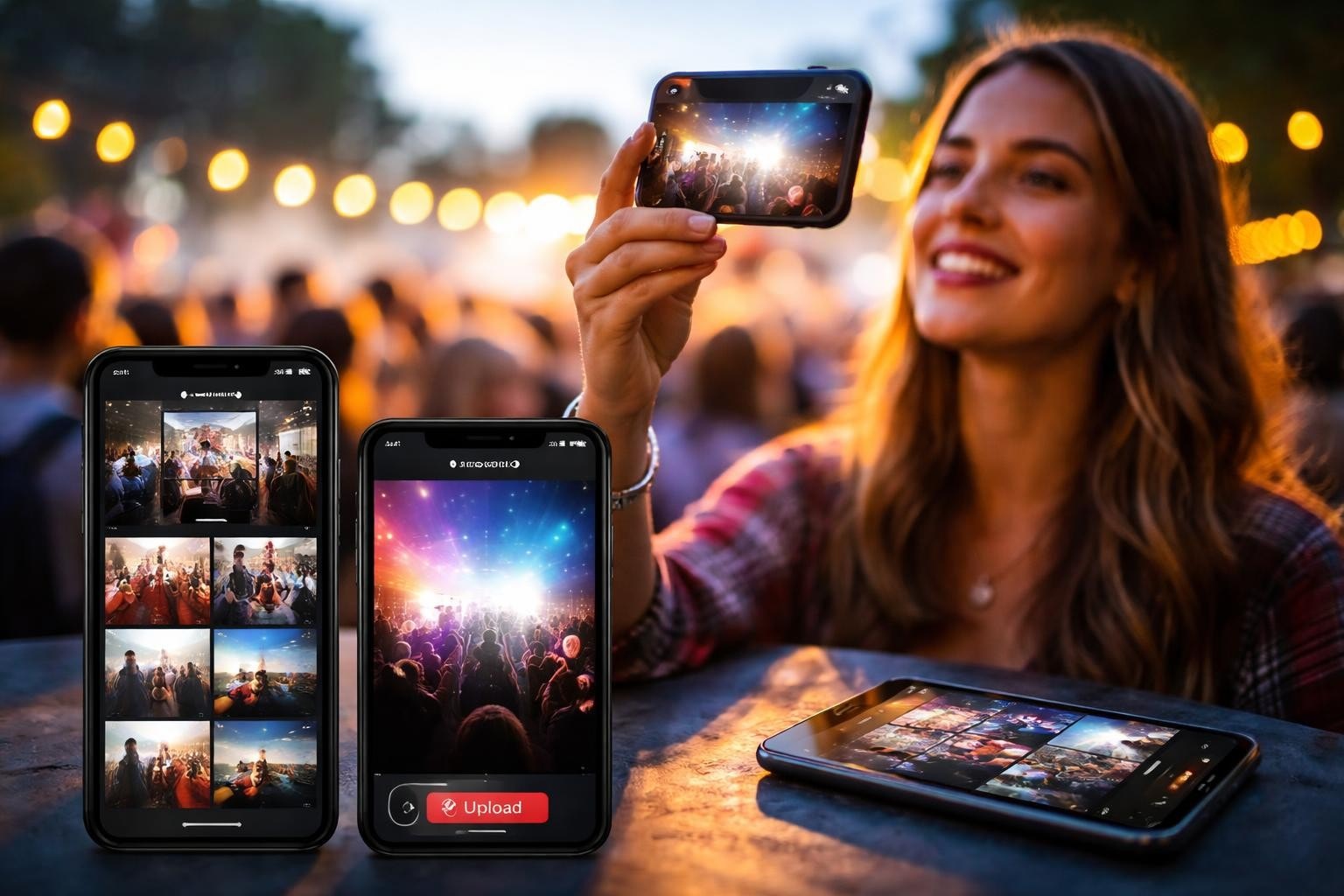
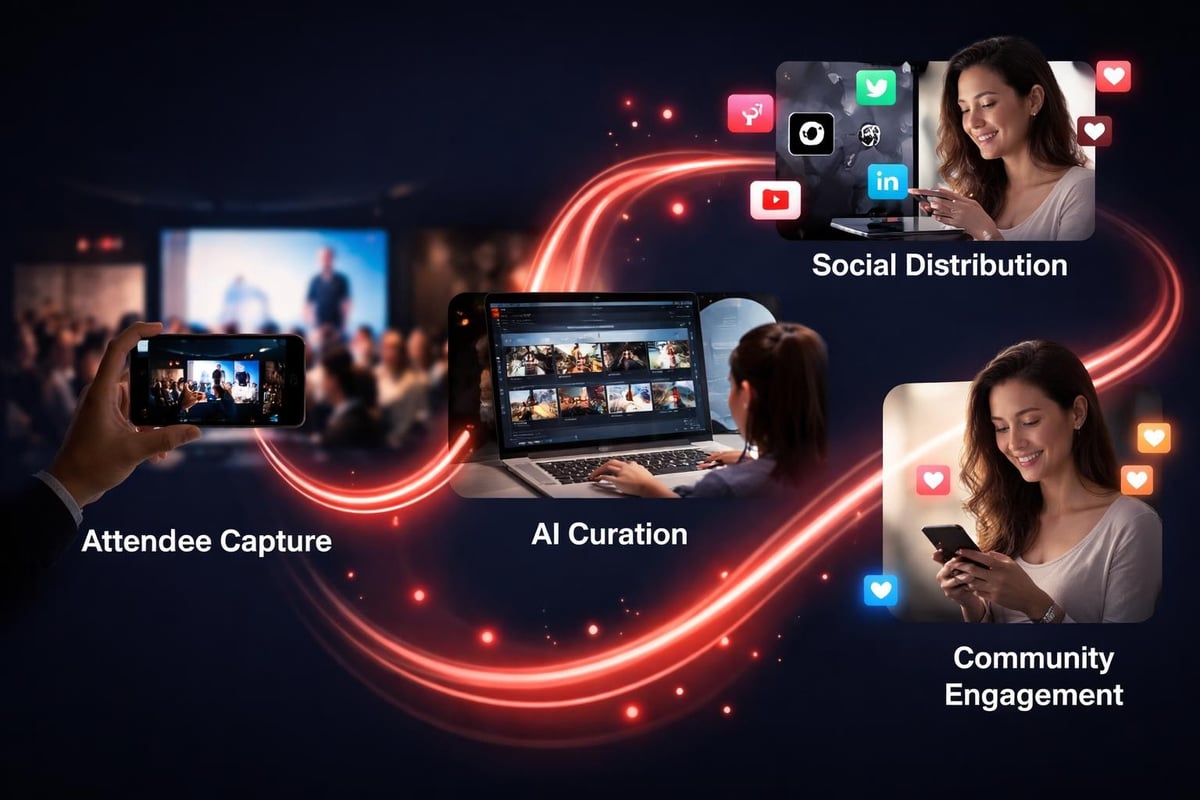
- Attendees already film everything, but that content disappears into their camera rolls
- Social reach stays limited because content lives on a single channel
A proper video sharing app doesn't compete with entertainment platforms. It solves a distribution problem.
What Actually Drives User Behaviour
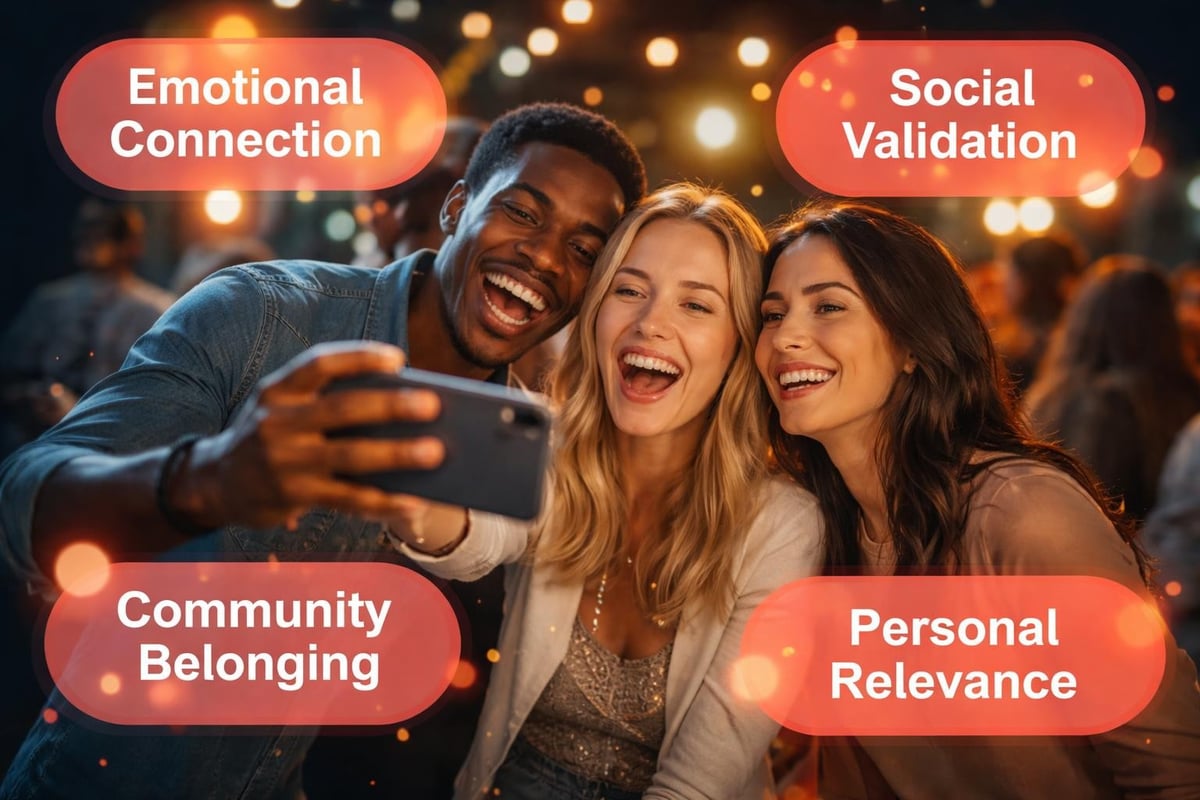
People don't share videos randomly. They share when it benefits them somehow, whether that's social currency, self-expression, or just helping out mates.
Emotional content drives shares. That goal you scored, that speech that landed perfectly, that unexpected moment that made everyone laugh. That's what gets shared.
The Real Engagement Metrics
Forget vanity metrics. Here's what matters for a video sharing app serving events:
| Metric | Why It Matters | What Good Looks Like |
|---|---|---|
| Capture rate | Percentage of attendees filming | 30%+ participation |
| Share velocity | How fast content spreads | Within 24 hours of event |
| Authentic reach | Real people viewing, not bots | 3x attendee count minimum |
| Content quality | Usable footage percentage | 60%+ after curation |
Those numbers separate platforms that work from those that just exist.
The Platform Architecture That Works
Building a video sharing app for events isn't rocket science, but it does require thinking differently than consumer social platforms.
Core components that matter:
- Dead-simple mobile capture that works even when signal's patchy
- Permission systems that handle rights automatically, not as an afterthought
- Curation tools that separate gold from garbage without watching everything manually
- Distribution channels that push content where it'll actually be seen
The tech stack matters less than the workflow. If attendees need more than 30 seconds to understand how it works, you've already lost them.
Where Smart Tools Actually Help
Not for generating fake content. For sorting through hundreds of clips to find the ones worth using.
A decent video sharing app uses smart tools to identify quality markers: stable footage, good audio, interesting composition, key moments. Then humans make the final call. That's the balance that works.
Automating event video curation cuts editing time by 70% compared to manual review. The system handles the tedious bits. You handle the creative decisions.
The Distribution Problem Nobody Talks About
Creating content is easy. Getting it seen is hard.
Most video sharing apps treat distribution as an afterthought. They assume if content's good enough, it'll spread naturally. That's bollocks. You need deliberate systems.
Distribution channels that actually work:
- Event hashtags that attendees already follow
- Participant tagging that notifies people they appear in content
- Cross-posting to Instagram, TikTok, LinkedIn simultaneously
- Email digests with highlight reels
- Website embeds that don't require technical skills
Session duration matters less than frequency of return. One-time viewers don't build communities. Regular participants do.
Rights Management Without the Headache
Here's where most platforms completely cock it up: content rights.
You can't just grab videos attendees film and use them however you want. But you also can't bog down every upload with legal paperwork. The solution? Build consent into the capture process.
When someone opens your video sharing app at an event, they see clear terms. They know what happens to their content. They grant specific permissions before filming starts. Done properly, this takes five seconds and handles best practices for consent management.
What Good Permission Systems Look Like
| Permission Type | What It Covers | Default Setting |
|---|---|---|
| Event use | Organisers can use in recaps | Opt-in required |
| Social sharing | Cross-posting to platforms | User controlled |
| Commercial use | Marketing, advertising | Explicit consent only |
| Attribution | How creators are credited | Always included |
Getting this wrong doesn't just create legal problems. It kills trust, and trust is the only thing that makes user-generated content work.
The Community Element That Makes It Stick
Video sharing apps live or die on whether people come back. One-off usage is worthless.
Community feeling drives repeated participation more than features or interface design.
What builds community in practice:
- Showing attendees their impact through view counts and shares
- Highlighting top contributors without making it a competition
- Creating event-specific galleries that people revisit
- Enabling participants to comment and react to each other's clips
This isn't theoretical. Events using UGC platforms that prioritise community see 3-4x higher repeat participation rates compared to basic upload tools.
The Psychology of Contribution
People contribute when they feel part of something. When their effort matters. When they see results.
A video sharing app that treats users as content sources rather than community members will struggle. The platforms that work recognise that every person filming is choosing to help tell a story. Make that choice feel meaningful, and they'll keep doing it.
Format Considerations That Actually Matter
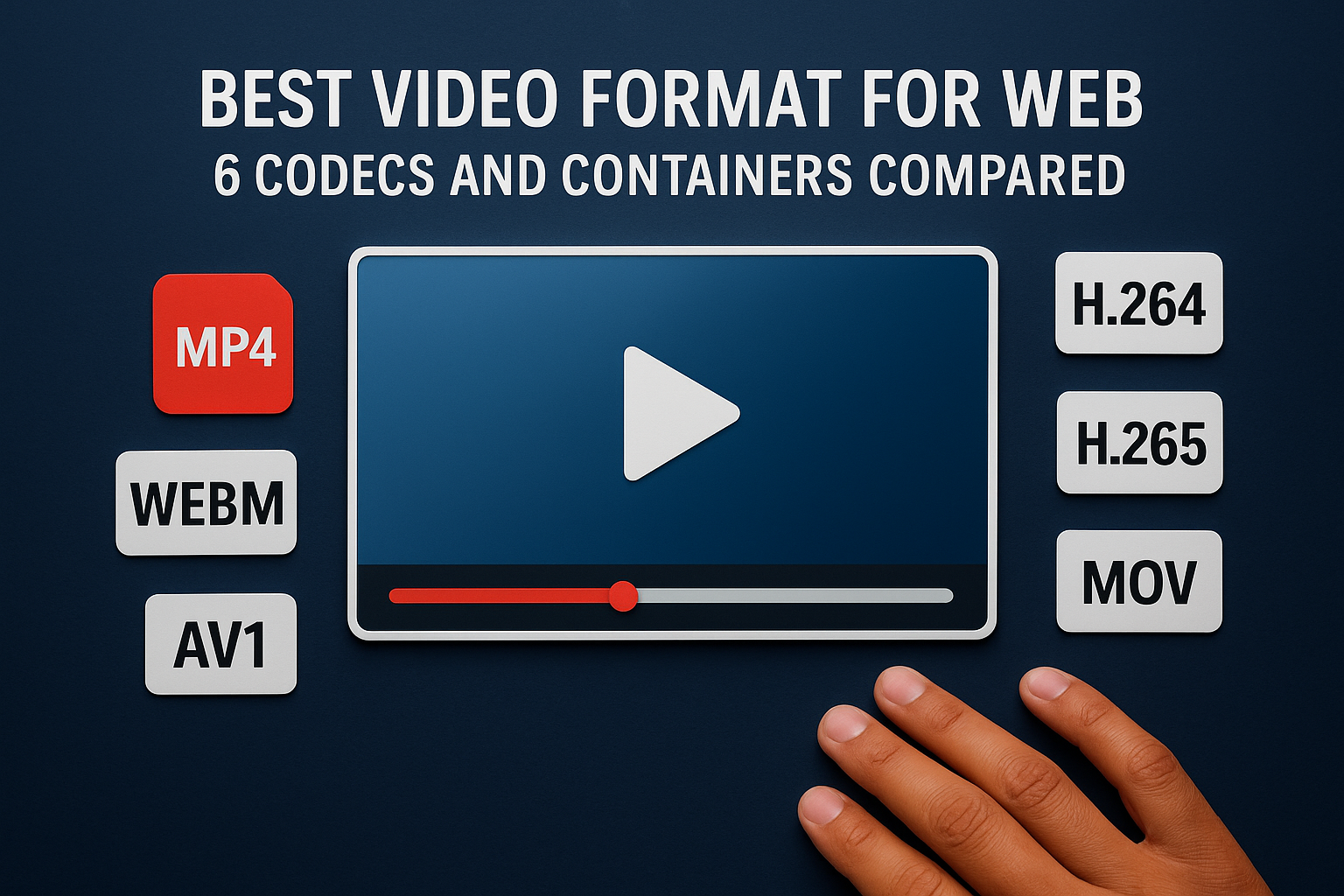
Vertical, horizontal, square. 4K, 1080p, 720p. H.264, H.265, AV1.
Most of these decisions don't matter as much as platforms pretend. What matters: does it play on the devices people actually use?
Format priorities for 2026:
- Vertical-first for mobile viewing and social platform compatibility
- Adaptive bitrate for varying connection speeds
- Quick transcoding that doesn't leave users waiting
- Best video format for web delivery balanced with file size
The debate between H.264 vs H.265 matters for bandwidth costs, but users don't care about codecs. They care whether their video uploads quickly and plays smoothly.
What Events Actually Need From Video Sharing
Stop thinking about features. Think about outcomes.
Event organisers don't need another platform with fancy transitions. They need attendee-generated content that extends their event's reach without hiring extra videographers.
Outcomes that justify using a video sharing app:
- 10x content volume compared to professional crew alone
- 50% reduction in content production costs
- 5x organic social reach through participant networks
- Authentic perspectives that staged content can't capture
These numbers aren't aspirational. They're what happens when you crowdsource event video properly.
The ROI Nobody Calculates
Professional event videography costs £2,000-10,000 depending on the gig. That gets you one perspective, one crew's worth of coverage, one set of moments.
A video sharing app that mobilises 100 attendees? You get 100 perspectives. Coverage of moments the crew missed. Content that spreads through participant networks organically. The value isn't just what you save, it's what you gain.
Platform Design That Doesn't Get in the Way
The best interfaces are invisible. Open the app, point, record, done.
Even small friction points drastically reduce participation. Every extra tap, every confusing option, every unclear instruction costs you users.
Design principles for event video sharing:
- One-tap recording from app launch
- Automatic quality settings that adapt to conditions
- Background upload that doesn't require babysitting
- Clear visual feedback on upload status
Complexity is the enemy. Your attendees aren't professional videographers. They're people at an event who might help if it's easy enough.
The Content Curation Challenge
Raw user-generated footage is a mess. Shaky cameras, bad audio, random clips that mean nothing out of context.
This is where most platforms fail. They either dump everything unfiltered or require so much manual curation that it's not worth the effort.
The solution? Content curation software that combines automated filtering with smart human oversight. Smart tools flag potentially good content based on technical quality markers. Humans review flagged content and make creative decisions.
Building Effective Curation Workflows
| Stage | Process | Time Investment |
|---|---|---|
| Initial filter | Automated removal of unusable clips | Automated |
| Quality sort | Automated ranking by quality metrics | Automated |
| Context review | Humans identify narrative value | 2-3 minutes per event hour |
| Final selection | Curators choose best clips for each use case | 5-10 minutes per deliverable |
This workflow processes 200+ clips into usable content in under an hour. Without it, the same task takes days.
Why Generic Platforms Don't Cut It
Instagram, TikTok, YouTube. They're brilliant at what they do. They're terrible for event-specific video collection.
What general platforms lack:
- Event-specific organisation and galleries
- Bulk permission management for commercial use
- Tools to identify and reach out to contributors
- Integration with event management systems
- Download access to high-quality source files
You can post event content to social platforms. But you can't efficiently collect, curate, and manage it there. That requires purpose-built tools.
Understanding the difference between content curation and creation matters here. General social platforms optimise for creation and consumption. Event video sharing apps optimise for curation and distribution.
The Social Amplification Multiplier
One videographer's content reaches the people who already follow your event. Fifty attendees' content reaches their combined networks.
That's the math that makes video sharing apps valuable. Not the technology, not the features. The network effect of participant distribution.
People are more likely to engage with content when it comes from someone they know rather than a brand account.
Amplification metrics from real events:
- Average attendee has 300-500 social connections
- 20-30% share event content to their networks
- Each share generates 50-100 impressions
- Total reach: 25-40x the attendee count
That's earned media you can't buy.
What Makes People Actually Participate
Asking isn't enough. You need to make participation obviously worthwhile.
Participation drivers that work:
- Show attendees their content featured in real-time event displays
- Credit contributors by name in compiled videos
- Offer exclusive access or perks for top contributors
- Make the filming process part of the event experience, not separate from it
When filming becomes part of the event rather than documentation of the event, participation jumps. That's the difference between 10% capture rate and 40%.
Technical Requirements That Matter (and Those That Don't)
4K recording? Doesn't matter if most viewing happens on phones. Real-time editing? Unnecessary if curation happens post-event. Cloud storage? Essential unless you enjoy losing content.
Actually important technical features:
- Reliable upload even on dodgy event WiFi
- Offline recording with automatic sync when connection returns
- Sufficient storage without requiring users to delete other apps
- Fast processing that doesn't bottleneck content flow
The rest is nice-to-have at best, distraction at worst.
The Business Model That Works
Most video sharing apps either charge users (who won't pay) or blast ads (which kills the experience). Neither works for event-focused platforms.
The model that makes sense: charge event organisers, not attendees. They're the ones getting value from collected content, reduced production costs, and amplified reach.
Pricing typically ranges from £200-2,000 per event depending on size and features needed. That's a fraction of traditional video production costs while delivering more coverage.
Privacy and Data Protection Done Right
GDPR isn't optional. Neither is treating user data with respect.
A proper video sharing app needs AWS data protection best practices baked in from day one, not bolted on later. That means encryption, access controls, data retention policies, and transparent handling of personal information.
Non-negotiable privacy requirements:
- Explicit consent before any data collection
- Clear explanation of how content will be used
- Easy opt-out and content deletion options
- Secure storage with access logging
- Compliance with regional data protection laws
Getting this wrong doesn't just create legal problems. It destroys the trust that makes user-generated content possible.
The gap between platforms that work and those that don't comes down to solving real problems rather than chasing features. Event organisers need authentic content, broader reach, and lower costs. Attendees need simple tools and clear value. Everything else is noise. SureShot handles the hard parts-mobile capture, smart curation, rights management, and social distribution-so you can focus on running brilliant events while your attendees become your content team.