
You've got brilliant video content from your event. Now what? Getting people to actually share this video is the difference between content that sits in a folder somewhere and content that builds your brand. The trick isn't just asking nicely or adding a share button. It's about making sharing feel natural, rewarding, and honestly pretty effortless for the people who were there.
Why People Actually Share This Video
People don't share videos because you asked them to. They share when the content makes them look good, feel something, or helps them connect with their mates. That's it.
At events, attendees become your best storytellers when they're in the video itself. They've got skin in the game. They want to show where they were, who they met, what they experienced. Authentic moments beat polished corporate content every single time because they feel real.
Here's what actually drives sharing:
- Personal appearance: They're in the video, so they want their friends to see
- Social proof: Being at the right event matters to their network
- Emotional connection: The content captures a feeling they want to remember
- Easy access: Sharing takes two taps, not twenty
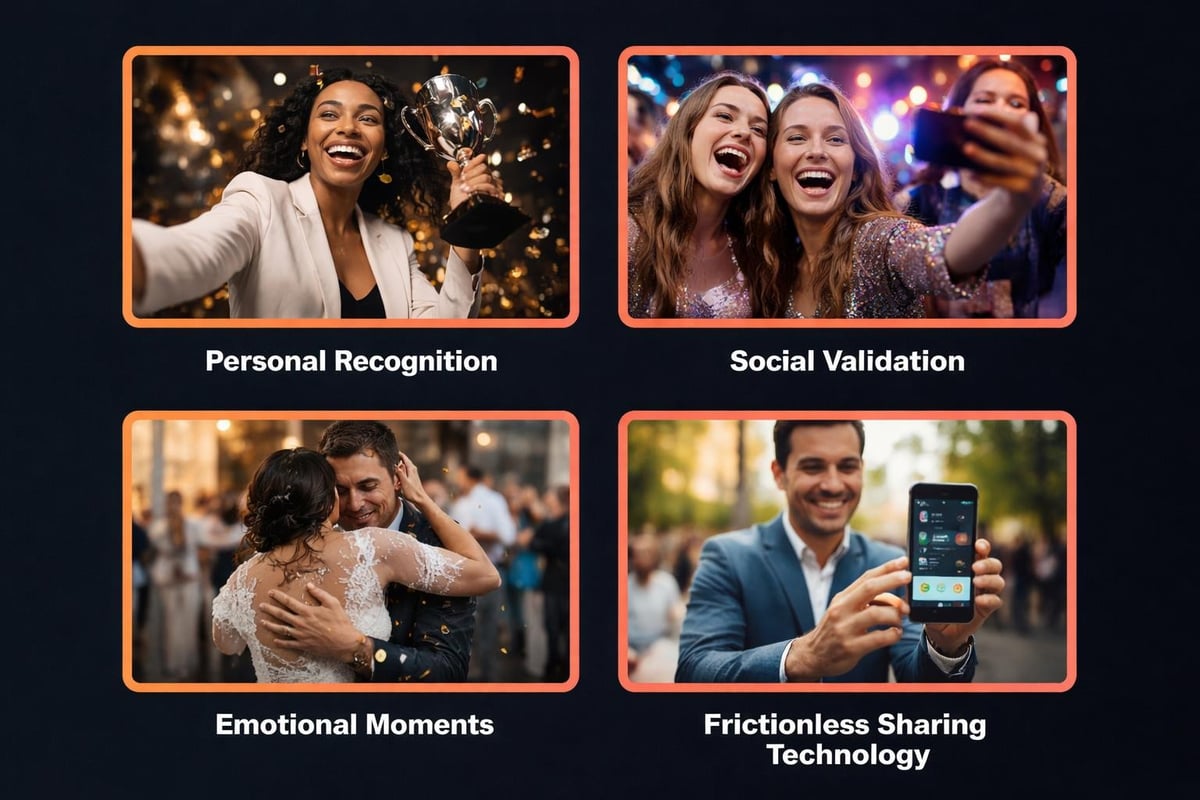
When you're using user-generated video platforms, the content comes from the people who'll share it. That's not a coincidence. It's the whole point.
Making Share This Video Actually Happen
The mechanics matter more than you'd think. If someone has to download a file, find it on their phone, upload it somewhere else, and then share it, they won't. Full stop.
Distribution needs to be dead simple:
- Send them a direct link while they're still buzzing from the event
- Let them preview before sharing (nobody wants surprises)
- Give them platform-specific versions (Instagram isn't the same as LinkedIn)
- Make it mobile-first because that's where people actually are
The University of Hawaii at Hilo's best practices for sharing videos emphasizes platform-specific considerations, and they're spot on. What works on TikTok dies on LinkedIn.
Platform-Specific Strategies to Share This Video
Each platform has its own rules, and ignoring them kills your reach. Here's what actually works in 2026.
Social Media Distribution
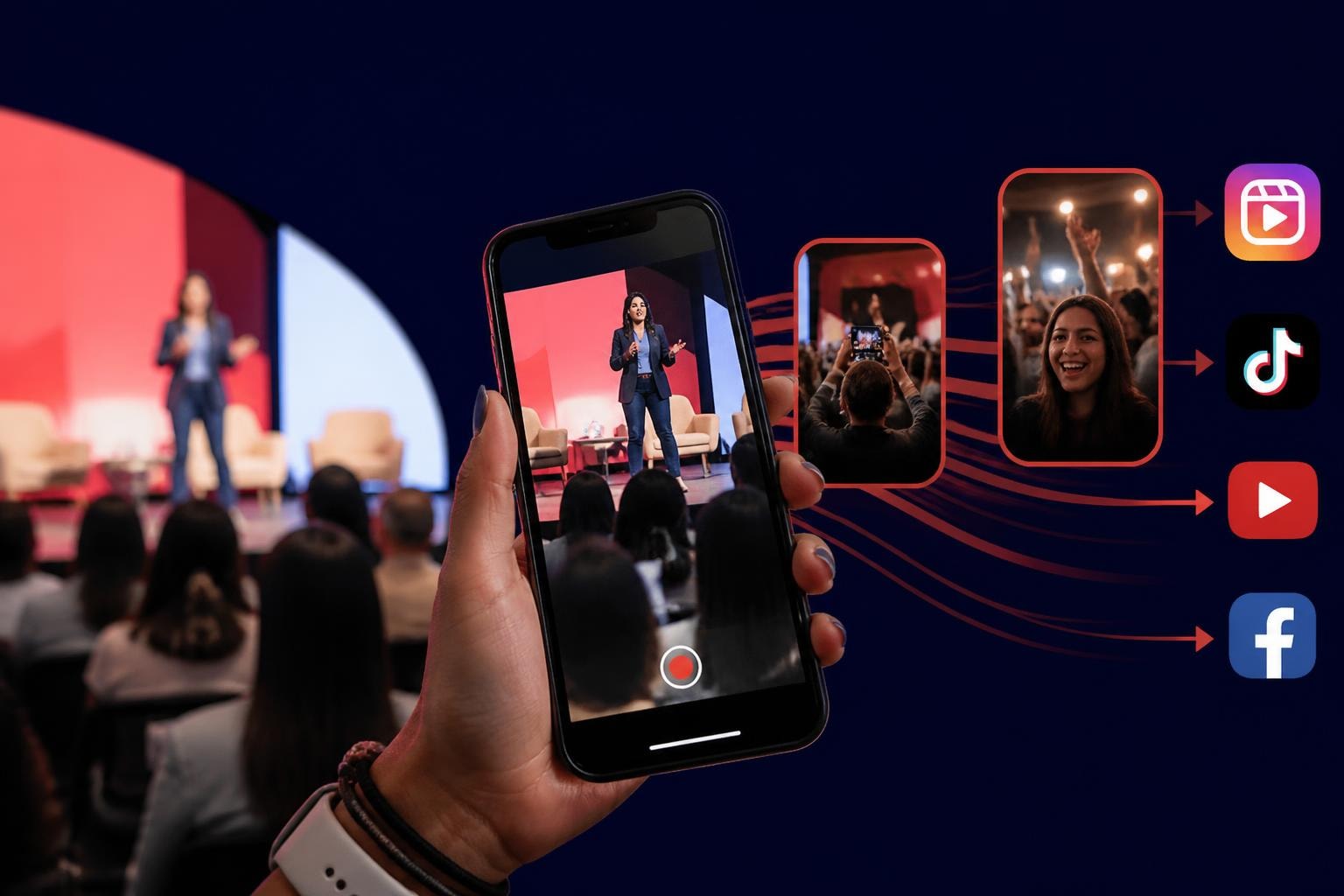
Instagram and TikTok want vertical video under 60 seconds. Facebook tolerates longer content but still favours native uploads over links. LinkedIn rewards professional context and genuine insights.
| Platform | Ideal Length | Format | Best Time to Share |
|---|---|---|---|
| 15-60 seconds | 9:16 vertical | Within 24 hours of event | |
| TikTok | 15-90 seconds | 9:16 vertical | Same day |
| 1-3 minutes | Square or 16:9 | Next morning | |
| 30-90 seconds | 16:9 horizontal | Within 48 hours |
When you're thinking about video content creation for events, you need versions for each platform. Not the same video cropped differently - actually optimized content.
For Facebook specifically, understanding how to use Facebook Reels opens up massive organic reach. Same content, different packaging.
Email and Direct Messaging
Email feels old-school, but it works. Send attendees a personal link to their moments within 48 hours. The subject line should be specific: "Your highlights from [Event Name]" not "Check out this video."
WhatsApp and other messaging apps are where real sharing happens. People send videos to their close friends, not just broadcast to everyone. Make those videos easy to forward without losing quality.
GreenMellen's research on YouTube video content best practices shows that shareable content has clear value within the first three seconds. Event videos need that same hook.
Technical Bits That Actually Matter
Nobody cares about codecs until their video looks rubbish after sharing. Then suddenly everyone's an expert.
Video Quality and Compression
When attendees share this video, it goes through compression multiple times. Instagram compresses it. WhatsApp compresses it again. By the third share, your beautiful 4K footage looks like it was filmed on a potato.
Android's best practices for sharing videos highlight maintaining quality through the sharing chain. The trick is starting with the right format and compression from the beginning.
If you're debating H264 vs H265, H264 still wins for compatibility. H265 looks better at smaller file sizes, but good luck getting your aunt's Android from 2021 to play it properly.
- Start with high quality but reasonable file sizes
- Export at platform-native resolutions to avoid double compression
- Test across devices before sending to attendees
- Provide multiple versions if you're targeting different platforms
Mobile Optimization
Your attendees are on their phones. Always. The laptop-first approach died in 2019.
Videos need to load quickly on patchy 4G. They need to play without crashing the Instagram app. They need to look good on everything from an iPhone 16 to a Samsung from three years ago.
Getting Attendees to Actually Share This Video
You can't force sharing. You can only make it the obvious thing to do.
Incentives That Work
Competitions and giveaways get mentioned a lot, but they're tricky. You want genuine sharing, not mercenary "I'll delete this tomorrow" posting.
What actually motivates authentic sharing:
- Early access to future events for active sharers
- Featured content on official channels (everyone wants their fifteen seconds)
- Community recognition within event groups
- Making them look good to their network
When someone shares this video and their friends comment about wanting to attend next time, that's marketing money can't buy. That's why platforms focused on crowdsourced event video work so well.
Timing Your Requests
Ask too early and the content isn't ready. Ask too late and they've moved on. The sweet spot is 12-48 hours after the event ends.
People are still feeling the event buzz, still chatting with people they met, still scrolling through their own photos. That's when you send them their curated video moments.
Content That People Want to Share
Not all videos are created equal. Some get shared fifty times. Others get saved to a folder and forgotten.
Emotional Resonance
The videos that spread are the ones that capture real moments. Not staged content. Not corporate messaging. Actual human experiences.
Laughter, surprise, achievement, connection - those are the feelings that make someone hit share. When you're curating content, look for those genuine emotional peaks.
A perfectly lit interview with your CEO won't spread. Attendees having an absolute laugh during a workshop will.
Story Structure in Short Form
Even 30-second clips need a beginning, middle, and end. Creating short-form video isn't about chopping longer content into bits. It's about telling complete micro-stories.
Effective event video structure:
- Hook (0-3 seconds): Something visually interesting or emotionally engaging
- Content (3-25 seconds): The actual moment, kept tight and focused
- Payoff (25-30 seconds): Emotional resolution or call to action
When people watch and think "my friends need to see this," you've nailed it.
Measuring What Actually Works
You can't improve what you don't measure. But you also can't measure everything, so focus on what matters.
Metrics That Mean Something
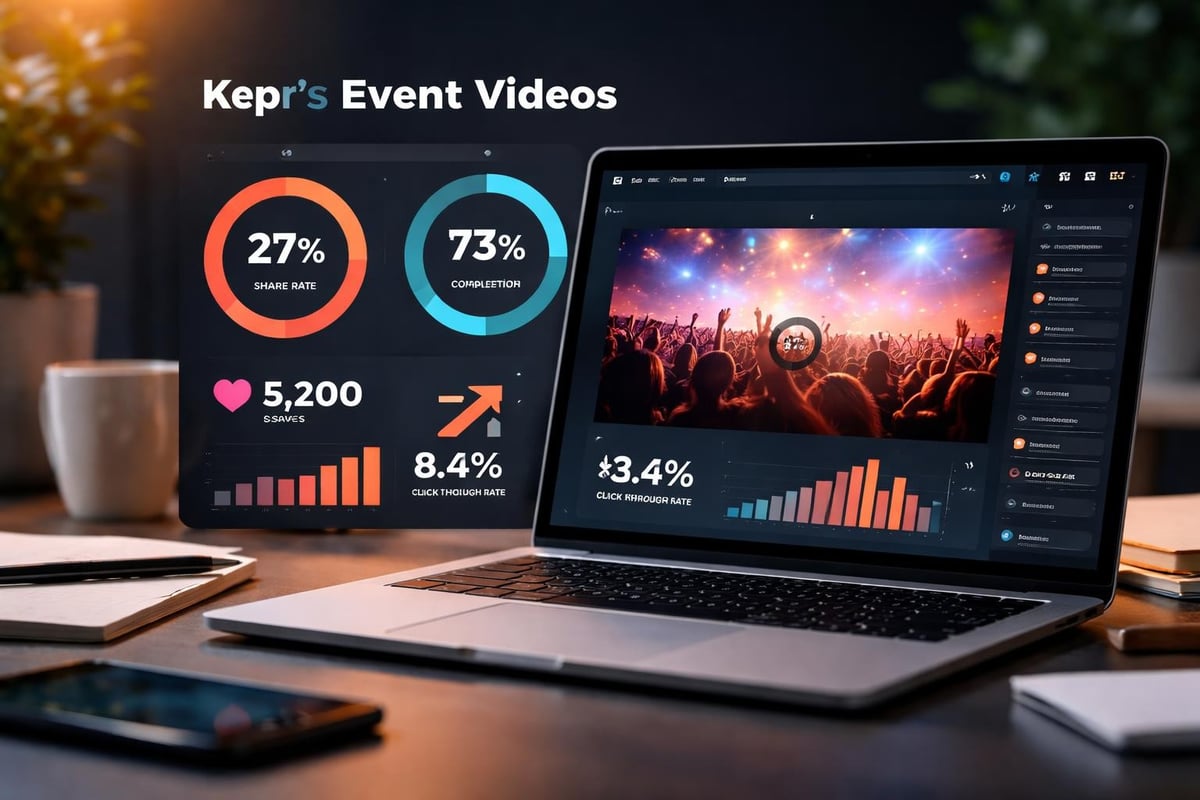
View counts are vanity metrics. Shares are better, but completion rate and save rate tell you if content actually resonates.
| Metric | What It Tells You | Why It Matters |
|---|---|---|
| Share rate | How many viewers share | Direct amplification |
| Completion rate | Who watches to the end | Content quality indicator |
| Save rate | Who wants to watch again | Strong engagement signal |
| Click-through | Actions after viewing | Conversion potential |
If 40% of viewers share this video, you're doing something right. If 5% do, something needs fixing.
A/B Testing Distribution
Try different subject lines in your attendee emails. Test various send times. Compare platform performance.
Send half your list the video at 9am Tuesday, half at 7pm Thursday. See which group shares more. It's basic stuff, but most people skip it.
The University of Colorado's best practices for video content stresses testing and iteration. What worked last event might not work next time.
Platform Choices for Hosting
Where you host matters almost as much as the content itself. YouTube's great for reach. Vimeo's better for control. Each has trade-offs.
TechRadar's comparison of video hosting platforms breaks down the 2026 landscape well. For events, you need something that handles high traffic spikes when everyone shares at once.
Embedded vs Native Sharing
Native uploads always perform better than embedded players. Instagram penalizes external links. TikTok ignores them completely.
But for long-form content or content you need to update, embedded hosting from a proper platform makes sense. It's about matching the tool to the job.
Making Sharing Part of Your Event Strategy
The most successful event videos aren't afterthoughts. They're planned from the start.
Pre-Event Setup
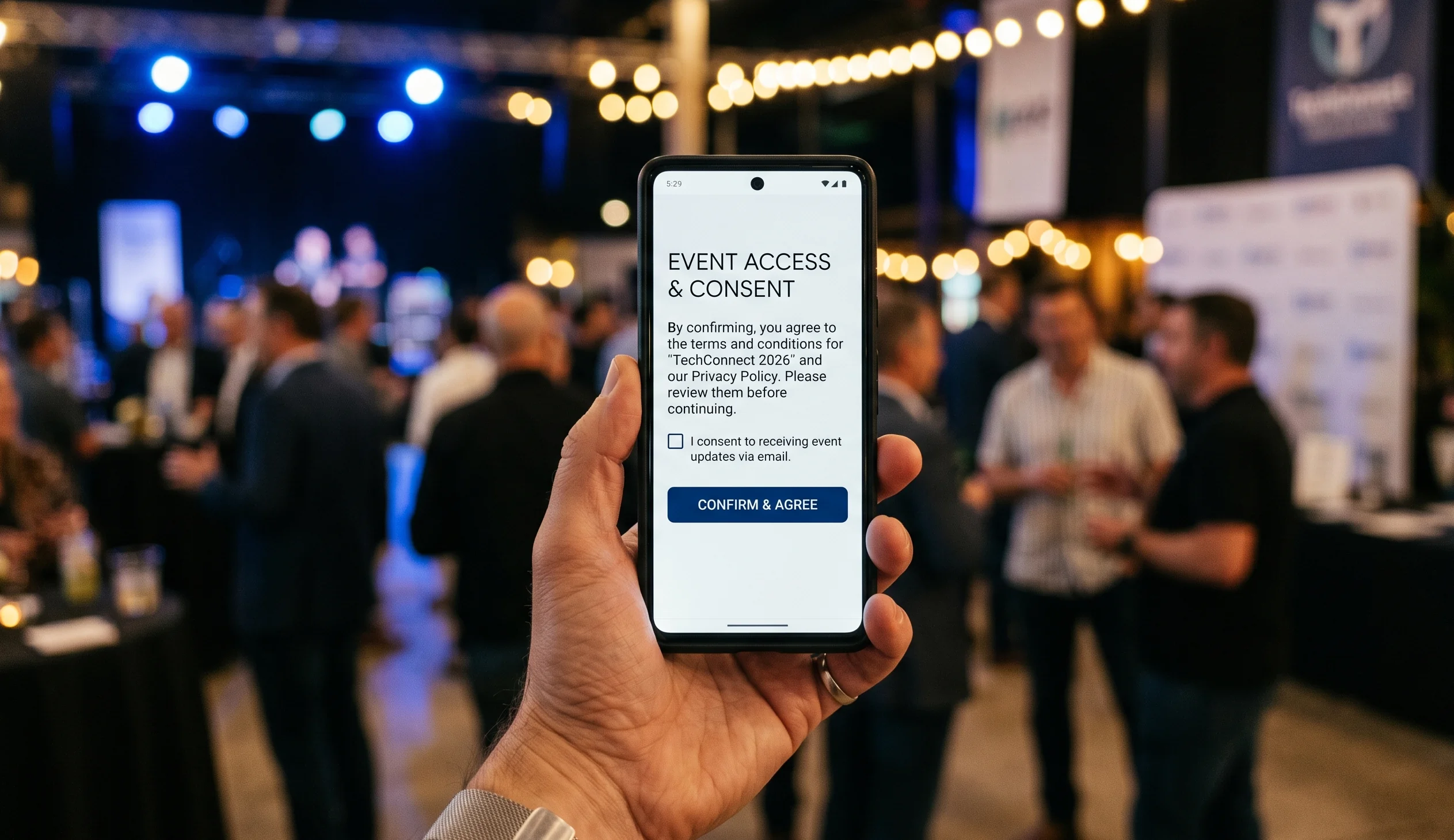
Tell attendees before the event that they'll get personalized video highlights. Set expectations. Get consent sorted early with a proper consent management platform.
Brief your team on what makes shareable content. It's not the keynote speech filmed from the back row. It's the candid moments between sessions, the reactions, the interactions.
During-Event Capture
Give attendees the tools to capture content themselves. They know what moments matter to them better than any professional videographer.
This is where platforms like SureShot's mobile app change the game. Everyone becomes a creator, and everyone gets content they actually want to share.
Post-Event Distribution
Speed matters. The event high fades quickly. Get edited, curated videos to attendees within 48 hours or you've missed the window.
Personalization matters too. Generic "thanks for attending" videos with everyone's footage mashed together? Nobody shares those. Individual moments featuring specific people? Those get shared immediately.
Common Mistakes That Kill Sharing
You know what stops people from sharing? Making it complicated. Asking for too much. Giving them content they don't want associated with their brand.
What not to do:
- Watermarks that cover half the screen
- Forcing registration before viewing
- Auto-playing with sound in shared links
- Asking people to share before they've seen the content
- Making them download and re-upload
These seem obvious, but you'd be shocked how many event organizers still do this stuff.
Legal and Privacy Concerns
Nobody wants to accidentally share footage of someone who didn't consent. Make your consent process clear and visible. Let people opt out easily.
When someone asks to be removed from shared content, do it quickly. Your reputation matters more than one extra view.
The Authentic Content Advantage
Here's the thing about user-generated content - it spreads because it's real. Professional production has its place, but for shareability, authentic wins.
When you automate event video curation while keeping the content genuine, you get the best of both worlds. The efficiency of automation with the authenticity people actually want to share.
Attendees trust other attendees more than they trust brands. When they share this video, they're vouching for it with their own credibility. That's powerful.
Stanford's video conferencing best practices might seem focused on meetings, but the core principle applies - authentic engagement beats polished presentation.
Leveraging Network Effects
Every share multiplies your reach. But it's not linear - it's exponential when you do it right.
Someone shares your event video. Their friend sees it, clicks through, sees more content, follows your event page. Next year, that friend attends. They create and share content. Their network sees it. You see where this goes.
Building Sharing Into Your Culture
The events that generate the most shared content make sharing part of the experience itself. Live social walls showing recent shares. Shout-outs to top sharers. Making it visible and valued.
When attendees see others sharing and getting engagement, they want in on that. Social proof isn't just a marketing buzzword - it's how humans work.
Long-Term Content Strategy
Individual videos fade. But a library of authentic event moments builds over time. Content curation for social media isn't a one-off task. It's an ongoing process that compounds.
Last year's highlights remind people why they loved your event. This year's content shows it's still relevant. The combination drives both sharing and attendance.
Getting people to share this video comes down to giving them something worth sharing and making it stupidly easy to do. When you turn attendees into storytellers, the content they create and share reaches further than any paid campaign ever could. SureShot helps you capture those authentic moments and distribute them in ways that actually get shared, turning every attendee into part of your marketing team without the awkward ask.