
Video content is everywhere in 2026. If you're not making it, you're invisible. In 2023, 91% of marketing teams used video, and the number's only gone up. So, if you've ever wondered how to actually nail video content creation, you're in the right place.
This isn't another wishy-washy guide. We're talking real trends, a step-by-step process, which tools to use, how to get your videos seen, and how to know if any of it actually worked. No jargon, no hype.
Ready to see what's working, what's not, and how you can get results without wasting time? Let's get into it. This guide is everything you need to start creating video that matters right now.
The State of Video Content in 2026
Video content creation is at a crossroads in 2026. It's everywhere, but it's not all the same. Let's break down what's actually working now, what's just noise, and why it matters to anyone who wants their message seen.

Short-Form vs. Long-Form: What's Winning?
Short-form video is winning the race for eyeballs. TikTok, Instagram Reels, and YouTube Shorts are everywhere. Google's search results now include video 62 percent of the time, with 80 percent coming from YouTube. But here's the thing: long-form content still has a place. It's where people go for deep dives and genuine learning, especially in B2B and education.
Attention spans are short, but people still want depth when it counts. Smart SaaS brands are using both formats. Quick hits for reach, longer videos to convert. The takeaway? Don't choose sides. Blend both for full-funnel impact. For a deeper dive, check out this Short-Form vs. Long-Form Video Guide.
Trends Shaping Video Content
Authenticity now beats polish every time. People trust "real" creators more than anything scripted. User-generated content and community-driven stories are everywhere. Interactive videos, think polls, Q and A, live streams, are taking off, with platforms rewarding engagement and watch time over just raw views.
YouTube, for example, cares more about how satisfied viewers are than how many clicks you get. If your video content creation feels staged, people scroll past. If it feels real, they stick around. That's the trend that's here to stay.
Essential Stats Every Creator Needs
If you're in video content creation, the numbers speak for themselves. Here are the stats that matter:
| Metric | Value |
|---|---|
| Marketing departments using video (2023) | 91% |
| Customers preferring video for learning | 72% |
| Crowd footage effectiveness vs. influencer content | 10x |
| Trust boost from real customer stories | 84% |
These numbers aren't just for show. They prove that real, audience-driven video works. If you want to build trust and get results, focus on authenticity and let your customers do the talking.
Planning Your Video Content: Strategy Before Shooting
Getting video content creation right starts before you even hit record. If you skip the planning, you'll waste time and nobody wants that. Here's how to set yourself up for videos that actually work.
Define Your Audience and Goals
Start with one question: who are you making this for? If you don't know your audience, your video content creation will miss the mark. Think about what your viewers care about and why they should give you their time.
Set a goal that's clear and trackable. Are you aiming for more signups, better product understanding, or just more eyes on your brand? For example, a SaaS company might use explainer videos to help new users onboard smoothly. Check your analytics to see what your audience actually watches and when they're most active.
No plan means wasted time. Simple as that.
Content Calendar and Consistency
Consistency beats perfection every time. Build a publishing schedule you can actually stick to. Weekly uploads? Twice a month? Pick what you can manage and do it well.
A content calendar is your best friend. It keeps you organised and helps you spot gaps and overlaps. Repurposing is smart too. Turn a long webinar into short clips, or combine Instagram Stories into a highlight reel. Brands growing fast are mixing live streams, short updates, and longer deep dives every week.
Your audience and the algorithms both love reliability. Show up on schedule and you'll see better results from your video content creation.
Sourcing Ideas and Staying Fresh
Run out of ideas? Check your FAQs, support tickets, and community threads. Your audience is already telling you what they want to see. Watch trends in your space but don't just copy. Adapt them to fit your style.
Teaming up with other creators opens up new ideas and new viewers. Conferences are even crowdsourcing questions for live panels now, which keeps things fresh and interactive.
To avoid burning out, batch your filming and editing. Keep your video content creation scope realistic, so you don't get overwhelmed.
How SureShot Enables Authentic Event Video Creation
If you're running events, SureShot lets you turn your attendees into your own video crew. You get loads of authentic footage, lower production costs, and wider reach by tapping into user-generated content.
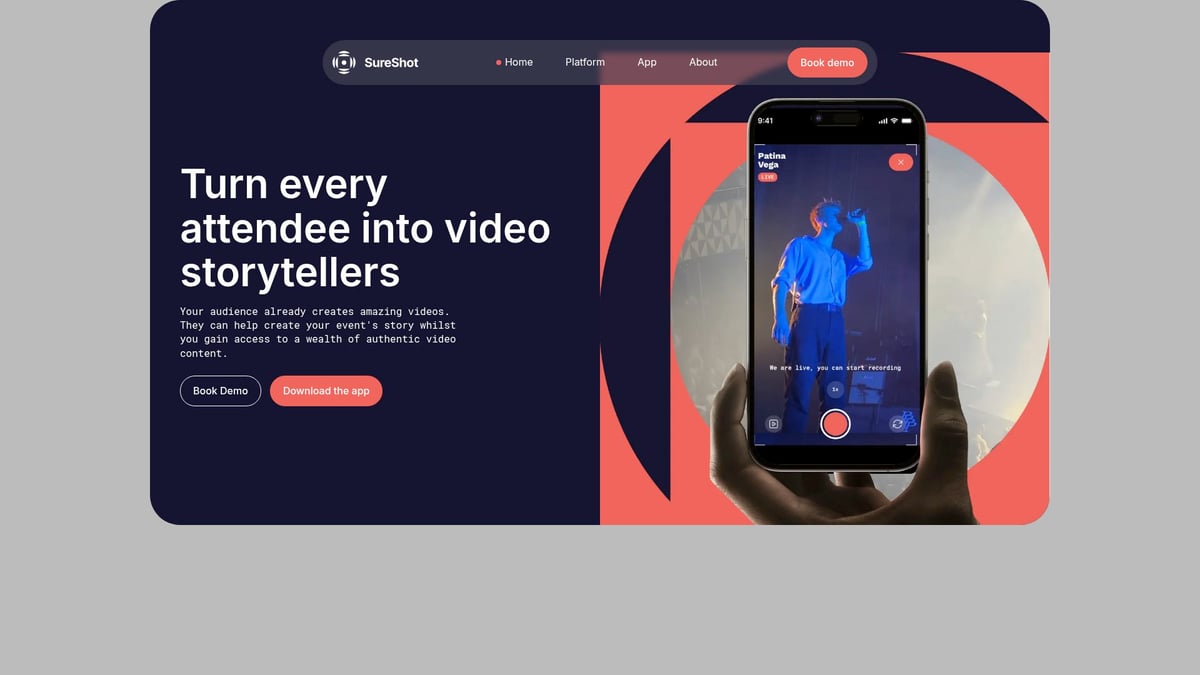
The dashboard organises uploads by event and timestamp, making it easier to navigate large volumes of footage and spot the moments worth sharing. Smart curation features that surface the strongest moments automatically are in development. Works for everything from festivals to corporate meetups. More genuine stories, less hassle, and a boost for your video content creation efforts.
Step-by-Step: Creating Effective Video Content in 2026
Getting started with video content creation might sound intimidating, but it's a lot simpler than most people think. Let's break it down into four no-nonsense steps you can actually follow.

Step 1: Pre-Production. Get Ready
Pre-production is where video content creation starts. Forget fancy gear or big budgets. Focus on what you want to say and who you're saying it to. Start with a script or just bullet points. Simplicity is your friend.
Decide what type of video you're making: Is it a quick tutorial, a story from your team, or a Q and A session? Pick your locations. Keep it practical. A quiet office, a well-lit corner, or even outside if it fits your message.
Think about who needs to be in the video and what permissions you might need. Privacy isn't optional. For example, a SaaS company might pull real questions from support tickets to script onboarding videos. Planning now saves headaches later.
Step 2: Production. Shoot Smart, Not Hard
When it's time to shoot, remember that video content creation is about what viewers get, not what kit you use. Your phone is fine if the camera is decent. Don't wait for the perfect setup.
Prioritise clear audio. Use a basic mic or record in a quiet space. Natural light works wonders, or grab a cheap ring light. Shoot from a tripod or lean your phone against a stack of books. Do a few takes from different angles, but don't force it.
Capture real moments. If someone laughs, keep it. Avoid over-rehearsed lines. The goal is to make videos that feel human and relatable, not staged or stuffy.
Step 3: Post-Production. Edit for Impact
Editing is where your video content creation comes alive. Cut out anything that doesn't add value. People have short attention spans, so keep it tight.
Add captions. Most people scroll with the sound off. Drop in your logo or branding, but keep it subtle. Use smart tools to help find good moments, but always review clips yourself to keep things authentic.
Not sure which editing tool to pick? Check out this Best Video Content Creation Software roundup for options that won't waste your time or money. A good edit can turn a rough clip into something you're proud to share.
Step 4: Optimise for Platforms
Every platform has its own rules for video content creation. Check the specs: aspect ratio, max length, file size. Make a custom thumbnail and a title that actually makes people click.
Add tags, a sharp description, and any links your viewers might need. Schedule your posts for when your audience is online. For example, post shorts on YouTube, reels on Instagram, and upload natively to LinkedIn for better reach.
The trick is to meet each platform where it is, not force your content to fit everywhere. Small tweaks can mean a big difference in who sees your video.
Distribution: Getting Your Videos Seen
Getting your videos seen is half the battle in video content creation. You can make a masterpiece, but if no one watches, it's just taking up space. Distribution is where smart choices make the difference between viral and invisible.

Social Platforms Deep Dive
Let's cut through the noise. When it comes to video content creation, YouTube is still the heavyweight. It rewards watch time and engagement. If your video keeps viewers around, you win.
TikTok and Instagram Reels favour fast, punchy clips. If you want reach, catch a trend or start one. LinkedIn is surprisingly strong for B2B, especially with explainer videos and thought leadership pieces. Facebook, while not as cool as it used to be, still matters for groups and niche communities.
Here's a quick table for what works best:
| Platform | Best For | Pro Tip |
|---|---|---|
| YouTube | Deep dives, tutorials | Optimise for watch time |
| TikTok/Reels | Trends, quick hits | Stay relevant, post often |
| B2B, explainers | Focus on value, not hype | |
| Groups, events | Engage in communities |
Remember, 62% of Google searches now show video, with YouTube taking the lion's share. Get your video content creation in front of the right eyes by choosing the right platforms.
Leveraging User-Generated Content
Nothing builds trust like real people sharing real stories. User-generated content should be central to your video content creation strategy. Ask your audience to send in their clips. Run hashtag challenges. Feature fan videos in your main content. It's organic, authentic, and stretches your budget further.
Want to dig deeper on this? Check out these User-Generated Content Strategies for more ways to spark participation and boost your reach.
Festivals are nailing this by crowdsourcing videos from the crowd. Crowd footage means lower costs, more genuine moments, and your brand feels less like an ad. It's how you make your video content creation work harder for you.
Collaborations and Influencer Amplification
If you're serious about video content creation, you can't do it alone. Partner with other creators in your field. Run interviews, reaction videos, or even just swap shoutouts. It's the fastest way to reach new people who actually care.
Joint livestreams or co-hosted tutorials let both sides win. Think of it like borrowing someone's audience for a day. Two SaaS brands running a joint tutorial series? That's more value for viewers and more reach for both brands. In 2026, collaboration beats competition every time.
Content Repurposing and Multi-Channel Strategy
You've put effort into video content creation, so squeeze every drop out of it. Turn a long webinar into bite-sized shorts. Pull audio for a podcast. Slice up a live event into a week's worth of posts.
Always post natively to each platform. The algorithm likes it, and so do viewers. Schedule releases at different times to catch new audiences. One webinar cut into ten shorts? That's ten chances to get seen. Make your video content creation go the distance.
Measuring Success: Analytics That Matter
If you're serious about video content creation, you need to know if your videos are actually working. It's not just about views anymore. Real impact comes from understanding what your audience does after they hit play. Here's how to cut through the noise and measure what matters.
Key Metrics to Track in 2026
There are a lot of numbers thrown at you, but only a few really matter for video content creation. Watch time is huge. Platforms like YouTube and TikTok reward videos that hold attention, not just those that rack up quick views.
Here's a quick table for what to track:
| Metric | Why It Matters |
|---|---|
| Watch Time | Shows if people stick around |
| Retention | Reveals drop-off points |
| Engagement | Likes, shares, comments, saves |
| Conversion | Clicks, sign-ups, sales |
| Completion | How many finish the video |
Don't ignore engagement. Interactive videos, for example, can get click-through rates up to 10 times higher than standard ones (interactive videos boast click-through rates up to 10 times higher). The more people interact with your video content creation, the more likely they'll remember you.
Most brands now take video seriously: 91% of businesses use video as a marketing tool (91% of businesses use video as a marketing tool in 2025). That's because these metrics give real feedback on what's working.
Understanding Your Audience Through Data
Analytics tell you who's watching your video content creation, when they're tuning in, and what keeps them interested. Start by segmenting viewers: new vs. returning, where they're from, what device they use.
Use this data to time your uploads. If your best audience watches at 8pm on Thursdays, that's when you should post. Look for patterns in what topics get watched all the way through.
It's about learning, not guessing. The platforms' built-in analytics tools can show you whether your video content creation is bringing in the right crowd or just passing traffic.
Monetisation and ROI
Measuring ROI is about more than ad revenue. Yes, you should track CPM and RPM if you're monetising. But real value often comes from what happens off-platform: more sign-ups, fewer support tickets, higher event engagement.
User-generated content is a secret weapon for video content creation. It's cheaper, and it often outperforms paid ads for trust and reach. For example, brands that use customer stories see a better return than brands that only do polished commercials.
Always tie your video content creation goals to business outcomes. Are you saving money? Building loyalty? Getting people to take action? If the answer's yes, you're winning.
Staying Ahead: Future-Proof Video Content Creation
Video content creation is changing fast. If you want to stay ahead, you need to focus on what actually matters: authenticity, useful tech, and not burning out. Here's how to future-proof your approach, no fluff.
Embracing Authenticity and Community
People can spot fake a mile away. If you want your video content creation to actually connect, highlight real stories from your actual audience. Put the spotlight on user-generated clips, not just branded stuff.
Try these:
- Feature a monthly fan or customer in your videos.
- Use community questions as the basis for content.
- Let event attendees share their own experiences using tools like Event Video Crowdsourcing Software.
This isn't about looking perfect. It's about building trust and loyalty, which pays off long term.
Tools and Tech Worth Knowing (No Hype)
There's a flood of tools promising to make video content creation "easy." Skip the hype. Stick with mobile editing apps that are fast and simple. Use smart tools for sorting or curating clips, but keep the human touch in the final edit.
Collaboration tools matter if your team's remote. And don't sleep on platform-native analytics for quick wins. The real reason to care? Video content to account for 82% of internet traffic by 2025. If you're not making video, you're not being seen.
Avoiding Burnout and Keeping It Fun
Video content creation should not feel like a grind. Batch your filming and editing. Take breaks. Don't try to chase every trend or jump on every platform.
- Set realistic goals for output.
- Schedule "off weeks" to recharge.
- Keep experimenting, but don't force it.
If you keep it fun, your audience will feel it too. Authenticity starts with you.
So, if you've made it this far, you're already ahead of most people still figuring out how to make video work in 2026. We've talked about why authenticity and community are everything, and how SureShot can help you turn every event into a goldmine of real, shareable moments, without breaking the bank or burning out. If you're ready to put these ideas into practice, or just want to chat about how to get more from your event content, let's connect. You can Book a meeting and we'll figure out the next steps together.