
Short Form Video vs Long Form: What to Use, When, and Why
Your attendees are already recording your event. The question is whether you're capturing 15-second clips that vanish in social feeds or creating 10-minute stories that stick around for months and drive actual conversions.
Short form video runs under 10 minutes and works best when you need quick engagement on social platforms. Long form video goes beyond 10 minutes and excels when you need depth, authority, or detailed storytelling. Each format serves a different purpose in your content strategy, and choosing wrong means wasted effort and missed opportunities with your audience.
This guide breaks down exactly when to use each format for your events. You'll learn how video length affects performance across platforms, which format drives better results for specific goals, and how to combine both to maximise your content impact. Whether you're promoting a music festival, capturing conference highlights, or building community between events, you'll know which length to choose and why it matters for your specific situation.
Why video length shapes results
Video length determines how algorithms surface your content, how long viewers stay engaged, and what actions they take afterward. Platform algorithms prioritise different lengths based on their monetization models and user behavior patterns. Your video format directly impacts whether you reach casual scrollers or committed viewers actively seeking detailed information about your event.
Platform algorithms reward different lengths
Social platforms boost content that keeps users on their app longer. TikTok and Instagram Reels prioritise completion rates, which means your 30-second clip gets more distribution if 80% of viewers watch it fully than your 3-minute video where most drop off. YouTube's algorithm favours watch time, making a 15-minute video that holds viewers for 10 minutes more valuable than a 2-minute video watched completely.

Your event content performs differently based on these algorithmic preferences. A festival highlight reel under 60 seconds spreads fast on Instagram because viewers watch it through and share immediately. That same content stretched to 8 minutes gets buried because viewers leave before finishing.
Attention spans differ by context
Viewers bring different mindsets to different platforms and situations. Users scrolling social feeds allocate seconds to each piece, making them perfect targets for quick, energetic event clips that capture atmosphere without requiring commitment. Search traffic delivers viewers actively seeking information, who arrive ready to invest 10+ minutes learning about your conference speakers or festival lineup.
When someone searches for detailed event information, they expect substance that justifies their time investment.
Context matters beyond platforms too. Mobile viewers typically want shorter content during commute scrolling or waiting in line. Desktop viewers tolerate longer formats when researching events during work breaks or planning their weekend. Your short form video vs long form decision needs to match where and how your audience consumes content.
Conversion paths change with duration
Short videos drive quick actions like follows, shares, and ticket page visits. The format limits your ability to overcome objections or explain complex value propositions. You capture interest but rarely close sales directly. Long videos build trust through detailed information that addresses concerns and demonstrates authority. Educational content about your event lineup, venue, or experience converts at higher rates because viewers leave convinced rather than simply curious.
Event organizers see this play out clearly. A 45-second crowd energy clip from your music festival generates 10,000 views and 500 profile visits. A 12-minute interview with headlining artists attracts 1,200 views but converts 180 ticket purchases because viewers invested time learning why they should attend.
How to choose between short and long video
Your event goals determine which video format delivers better results. The short form video vs long form decision starts with asking what action you want viewers to take after watching. Quick awareness and social sharing demand different content than detailed conversion and education. Match your video length to the specific outcome you need rather than following generic content trends that might not serve your event's unique situation.
Match format to your event goals
Building awareness for an upcoming festival requires different video treatment than explaining your conference agenda. Short form works when you need maximum reach and quick emotional response from viewers who might not know your event exists yet. Post 30-second energy clips to grab attention and drive profile visits. Long form serves deeper conversion goals where you need to address concerns, explain value, or differentiate your event from competitors.

Event organizers promoting a new music festival benefit from short clips showing crowd energy, artist performances, and venue atmosphere. These videos spread fast because viewers consume them between other activities. The same organizers need long form when selling VIP packages or explaining complex logistics, since buyers want detailed information before committing larger amounts.
Your content format should match how much decision-making support your audience needs at that moment.
Assess your audience behavior
Your attendees tell you which format works through their existing content consumption patterns. Check where your target audience spends time and how they engage with content on those platforms. Festival audiences scrolling TikTok respond differently than corporate event planners researching conferences during work hours. Platform analytics show you exactly how long viewers watch before dropping off, revealing their natural attention spans for your content type.
Look at your previous event videos to identify patterns. If most viewers abandon after 90 seconds on promotional content, you waste resources creating 5-minute versions. When your behind-the-scenes content holds attention for 8+ minutes, you underserve that audience with 60-second clips that leave them wanting more substance.
Consider production resources
Production capacity limits your format options regardless of what performs best theoretically. Short form videos require constant output to maintain visibility in fast-moving social feeds, demanding regular filming and editing cycles. Long form needs fewer pieces but higher production quality to justify viewer time investment. Your team size, equipment access, and editing capabilities determine which approach stays sustainable beyond initial launches.
Budget constraints affect format viability too. Producing three 45-second festival highlight reels costs less than creating one 15-minute documentary-style event overview. However, the documentary might generate better conversion rates and longer shelf life, making it more valuable despite higher initial investment. Calculate cost per conversion rather than cost per video when choosing your format strategy.
What counts as short form vs long form
The short form video vs long form distinction comes down to duration, but different platforms draw the line in different places. Industry standard places the cutoff at 10 minutes, with anything shorter classified as short form and longer content falling into long form territory. Your specific platform choice shifts these boundaries based on technical limits and audience expectations that vary across channels.
Platform-specific definitions
Each platform enforces its own duration rules that affect how you categorize content. TikTok caps standard videos at 10 minutes, making everything on the platform technically short form even though a 9-minute video behaves nothing like a 15-second clip. Instagram Reels max out at 90 seconds, while YouTube Shorts stop at 60 seconds, creating clear short form boundaries. YouTube treats anything over 60 seconds as standard content, where you control whether it stays short or extends into long form territory beyond 10 minutes.
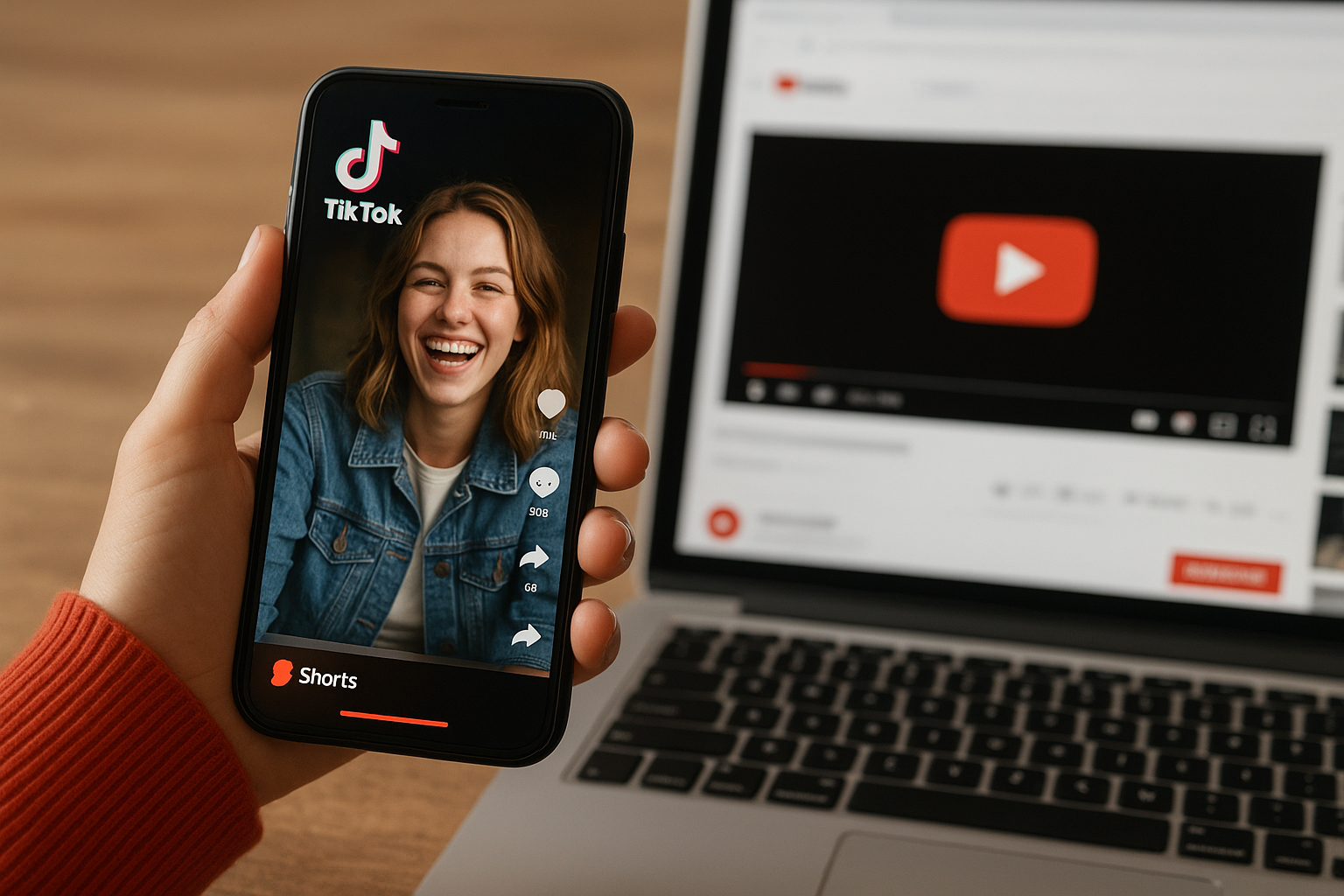
Your event videos need formatting that matches platform requirements. A 5-minute festival recap works perfectly on TikTok but requires splitting into multiple Reels on Instagram. That same content becomes short form on YouTube despite being long for TikTok's typical viewing patterns.
Purpose defines format more than duration
Duration provides a rough guideline but your content purpose matters more than hitting specific minute marks. A 3-minute product demo that explains your entire VIP package functions as comprehensive content for that specific goal. A 12-minute video that rambles without clear structure wastes viewer time regardless of its length category. Focus on delivering complete value within whatever timeframe your message requires rather than stretching or cutting content to meet arbitrary duration targets.
The best video length is however long it takes to accomplish your specific goal without wasting viewer attention.
Event organizers succeed by matching length to viewer needs. Quick energy clips capturing festival atmosphere work at 30 seconds. Speaker interviews need 8-12 minutes to build credibility and explain complex topics properly.
Benefits and drawbacks of each format
Understanding the tradeoffs between video lengths helps you allocate resources effectively and avoid wasting effort on formats that don't serve your event goals. Both short and long videos deliver specific advantages while creating distinct challenges for event organizers. Your choice impacts production costs, audience reach, engagement depth, and conversion outcomes in ways that directly affect your event promotion success and resource allocation.
Short form video advantages
Short form content spreads faster across social platforms because viewers consume it quickly and share immediately. Your 30-second festival highlight reaches 10 times more people than a 10-minute documentary because the algorithm rewards high completion rates and rapid engagement. Production timelines shrink dramatically when you create 45-second clips instead of comprehensive event overviews, letting you publish content while your event stays relevant in viewer minds.
Cost efficiency makes short form accessible even with limited budgets. Recording crowd energy at your music festival and editing three 30-second clips requires one camera operator and a few hours of editing work. You maintain consistent content output without hiring full production teams or investing in expensive equipment that sits unused between events.
Mobile consumption patterns favour shorter formats that viewers watch during brief attention windows. Your attendees scrolling Instagram during lunch breaks finish your 60-second venue tour but abandon longer content for later viewing that never happens. This immediate consumption translates to faster ticket sales and more timely event awareness.
Short form video limitations
Shallow messaging prevents you from addressing complex topics or overcoming purchase objections. Your 45-second clip captures festival atmosphere but can't explain VIP package value or answer logistics questions that determine whether someone buys tickets. The format forces you to choose between showing energy and providing substance, rarely allowing both in a single piece.
Short videos generate interest but rarely close sales for events requiring significant commitment or explanation.
Algorithm dependence creates vulnerability because platform changes immediately affect your reach. Your successful short form strategy on one platform demands complete rebuilding when you expand to different channels with different duration preferences and audience behaviors.
Long form video strengths
Deep storytelling builds trust and authority that converts viewers into attendees. Your 12-minute interview with conference speakers demonstrates expertise and value in ways that short clips can't match, directly addressing why someone should invest time and money in your event. Educational content about your festival lineup or venue experience keeps viewers engaged while systematically removing barriers to purchase.
Search visibility improves with longer content that Google and YouTube reward for comprehensive coverage. Event planners searching for detailed conference information find your 15-minute session breakdown instead of competitors' brief promotional clips. This organic discovery continues generating ticket sales months after publication without ongoing advertising spend.
Long form video weaknesses
Production demands increase substantially when you create 10+ minute videos requiring scripting, multiple camera angles, and professional editing. Your team spends three days producing one long video instead of publishing daily short clips that maintain social media presence. Equipment and expertise requirements exclude many event organizers from creating quality long form content consistently.
Lower view counts affect perceived success even when conversions improve. Your 15-minute event overview attracts 1,500 views compared to 25,000 views on 30-second clips, making stakeholders question the investment despite better ticket conversion rates. Maintaining momentum proves difficult when publishing frequency drops to accommodate longer production cycles.
Best platforms and use cases for each
Platform choice determines whether your video content reaches its intended audience and achieves your event goals. Each social channel and distribution method rewards specific video lengths based on how users consume content there. Your short form video vs long form strategy needs platform-specific adaptation because the same 5-minute festival recap that performs well on YouTube gets ignored on Instagram where viewers expect faster consumption. Understanding which platforms amplify which formats helps you allocate production resources to channels that actually deliver results for your event promotion.
Short form platforms and use cases
TikTok dominates short form distribution for event content targeting younger demographics and fast consumption patterns. Your festival energy clips and quick venue tours spread fastest on this platform because the algorithm prioritizes completion rates and immediate engagement. Instagram Reels serves similar content to audiences who prefer staying within their existing social networks rather than discovering content on dedicated video platforms.
YouTube Shorts captures search traffic from viewers who want quick answers about your event without committing to longer videos. Festival organizers use this format for rapid Q&A content, ticket announcement teasers, and artist reveal clips that drive viewers to full event pages. Twitter excels for timely event updates and behind-the-scenes moments that capitalize on real-time conversation during your festival or conference.
Specific use cases maximise short form effectiveness. Post countdown content leading up to your event launch, share attendee testimonial clips during registration periods, and publish quick highlight reels immediately after your event ends while social conversation stays active. These tactical moments demand speed over depth, making short form your only viable option.
Long form platforms and use cases
YouTube remains the primary long form platform where viewers actively seek detailed event information and educational content. Your conference session recordings and festival documentary content find audiences who arrived specifically to learn rather than scroll casually. This platform rewards watch time and comprehensive coverage, making it perfect for speaker interviews, panel discussions, and detailed venue tours that help potential attendees make purchase decisions.
Your event website serves long form content to visitors already interested in attending who need final convincing or logistics information. Embedding 10-15 minute videos about your VIP experience, lineup deep dives, or past event recaps keeps these high-intent visitors engaged while addressing objections. Email campaigns linking to longer content convert subscribers who opted in specifically for event information and expect substance over quick entertainment.
Platform matching determines whether your production effort reaches viewers ready to engage with your specific content depth.
LinkedIn works for professional events where decision-makers research conferences and corporate gatherings during work hours. Your 8-12 minute thought leadership content and speaker showcases reach event planners evaluating whether your conference delivers value worth their team's time investment. Webinar platforms like Zoom extend this further for live long form content that builds community before your physical event happens.
Using both formats in your event strategy
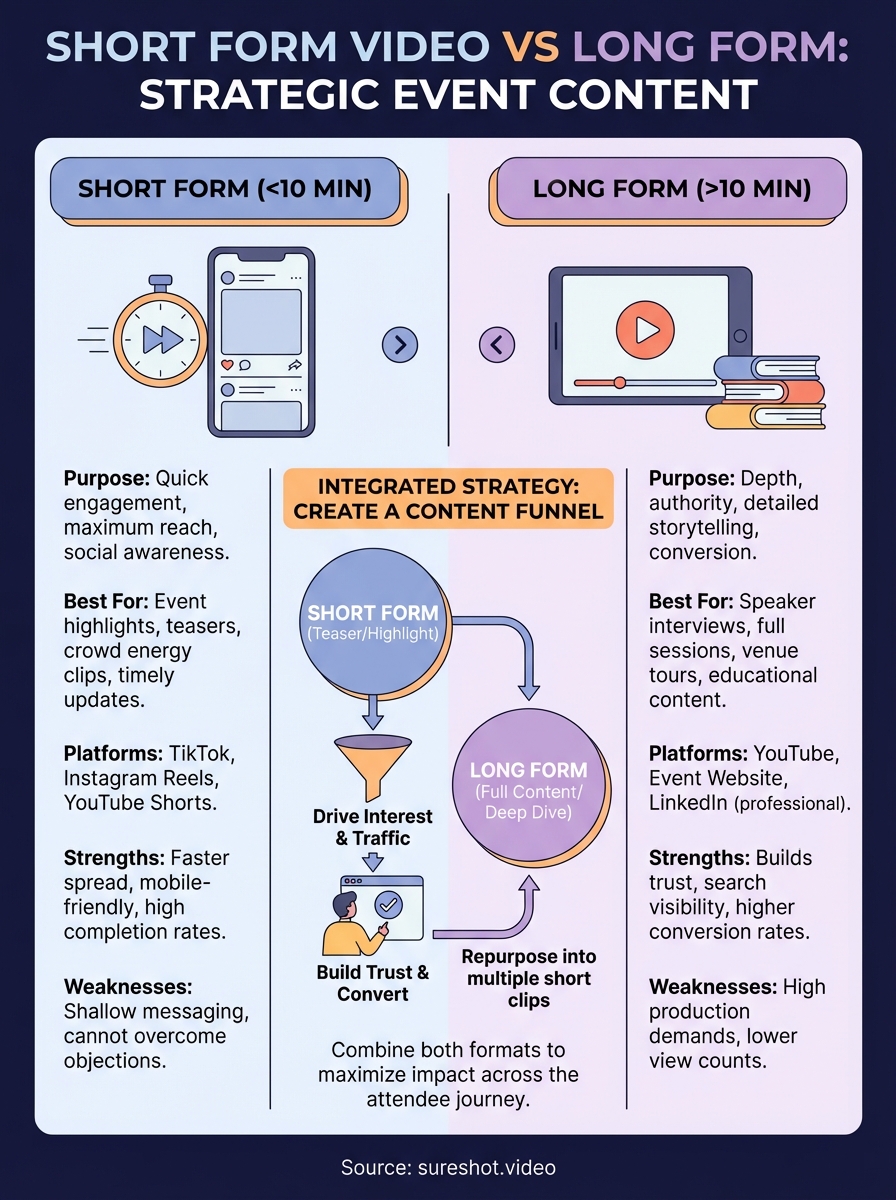
Most successful event organizers stop treating the short form video vs long form decision as either-or and start using both formats strategically. Your content strategy works best when different video lengths serve specific stages of the attendee journey from awareness through purchase. Combining formats multiplies your reach while maintaining conversion effectiveness, letting you capture casual scrollers and serious buyers with content designed for each audience type. This integrated approach maximizes the value of every moment you capture at your events.
Create a content funnel
Structure your video content so short clips feed viewers into longer conversion pieces. Post 30-second festival highlights on Instagram and TikTok that showcase crowd energy and artist moments without explaining logistics or ticket options. End each clip with a call to action directing viewers to your full venue tour or lineup breakdown video hosted on YouTube or your event website where you have time to address purchase concerns.
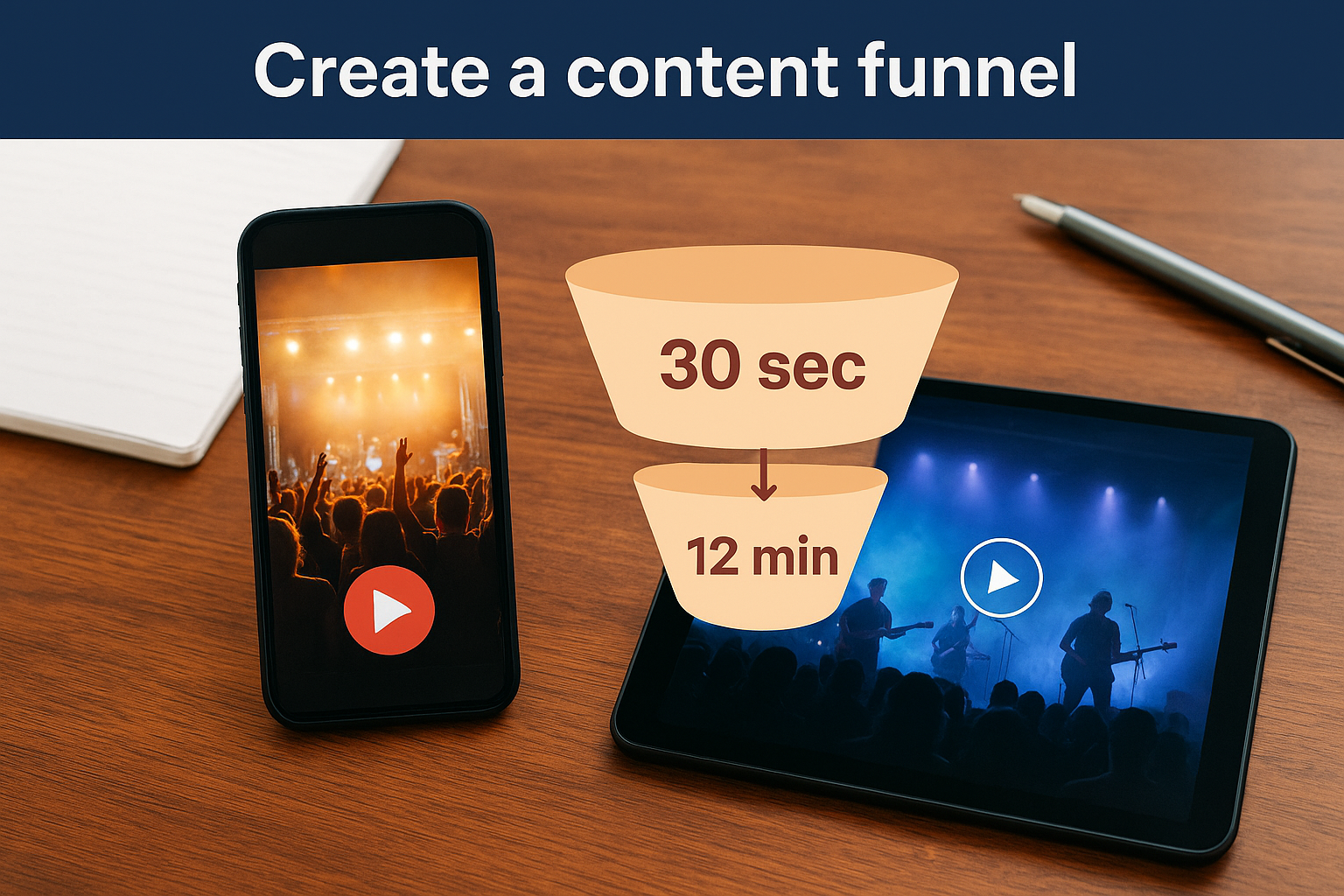
Your content funnel moves viewers from curiosity to commitment systematically. Someone discovers your event through a viral 45-second crowd clip, visits your profile for more information, and finds a 12-minute documentary explaining what makes your festival unique. They arrived for entertainment but stayed for education that converts them into ticket buyers.
Repurpose long form into short clips
Extract multiple short videos from every long form piece you create to maximise production value. Your 15-minute speaker interview contains five separate 60-second clips highlighting different discussion topics that work as standalone Instagram Reels. Film B-roll during your event specifically for repurposing later into both comprehensive recaps and quick social media moments that extend your content calendar for months.
Repurposing long content into short clips gives you dozens of social posts from a single production session.
This approach cuts your effective production costs dramatically. Recording one 20-minute venue walkthrough provides raw material for three months of short form content showing different facility features, accessibility options, and backstage areas. Your production team shoots once but publishes continuously across multiple platforms with appropriate formatting for each channel.
Use short form to drive long form views
Short videos act as trailers that convince viewers to invest time in your comprehensive content. Post 30-second teaser clips from your upcoming conference session recording that preview the most compelling moment without revealing the full insight. Your caption and call to action point viewers toward the complete video where they get full value while you benefit from extended watch time and deeper engagement metrics.
Event organizers selling workshops and educational conferences need this strategy especially. Your quick tip videos demonstrate expertise that makes viewers want more depth, directing them toward hour-long masterclass recordings or paid event access. The short content proves you deliver value worth their time and money investment in your full event experience.
Testing both formats reveals which content types resonate with your specific audience. Some event types convert better through quick emotional appeals while others need detailed information. Track which video combinations generate the most ticket sales rather than just views or engagement, letting conversion data guide your production priorities.
Key takeaways
The short form video vs long form debate resolves when you stop choosing sides and start using both strategically. Short videos under 10 minutes capture attention and spread across social platforms, driving awareness and profile visits for your events. Long videos over 10 minutes build trust and convert viewers by addressing concerns and demonstrating value through detailed information. Your specific platform, audience behavior, and event goals determine which format serves each marketing objective best.
Combining both formats creates a content ecosystem where quick clips attract casual viewers while comprehensive videos convert serious buyers. Repurpose your long form content into multiple short pieces to maximise production value and maintain consistent social media presence. Track conversion metrics rather than just views to identify which video combinations actually generate ticket sales for your specific event type.
Your attendees already record videos at your events. Book a demo to see how SureShot helps you collect, manage, and use that authentic user-generated content across both short and long form strategies.