

You've recorded brilliant content at your event. Now what? Upload video sharing isn't about dumping files onto YouTube and hoping for the best. It's about getting real footage from real people, making it findable, and spreading it where it matters. The tech's changed. The platforms have multiplied. But most advice still treats video sharing like it's 2019. Let's fix that.
What Upload Video Sharing Actually Means Today
Upload video sharing is the process of taking video content, getting it onto a platform, and making it accessible to your audience. Sounds simple. It's not.
The landscape's shifted dramatically. You're not just choosing between YouTube and Vimeo anymore. The largest video-sharing platforms in 2025 now include specialized networks for everything from corporate training to live events. Each one handles uploads differently, compresses files their own way, and reaches different audiences.
What matters isn't the platform. It's whether your videos actually get watched.
The Real Costs Nobody Mentions
Here's what happens when you run traditional event video:
- Hire a videographer (£800-2000 per day)
- Wait three weeks for editing
- Post the polished video
- Get 47 views, mostly from your mum
Meanwhile, attendees already posted their own clips to Instagram. Those got hundreds of views each. They were authentic, immediate, and cost you nothing.
That's the shift. Upload video sharing now means collecting content from multiple sources and distributing it strategically. Not just creating one perfect video.

Platform Selection That Actually Makes Sense
Different platforms solve different problems. Treating them all the same wastes time and budget.
| Platform Type | Best For | Upload Limitations | Cost Reality |
|---|---|---|---|
| Social native | Immediate reach | 60s-15min varies | Free but limited control |
| Hosting platforms | Branded experience | Usually generous | £10-100+/month |
| Event-specific | Attendee content | Depends on tool | Variable, often per-event |
| Decentralized | Privacy-conscious | Technically unlimited | Free but complex setup |
Social platforms (Instagram, TikTok, LinkedIn) give you instant distribution but zero ownership. Your video lives on their servers, follows their rules, gets compressed their way.
Dedicated hosting like those reviewed in TechRadar's video hosting guide gives you control but requires audience-building from scratch.
Event platforms let you collect attendee footage and curate it properly. That's where things get interesting for anyone running conferences, festivals, or brand activations.
What Works for User-Generated Event Content
If you're collecting videos from attendees, your platform needs specific features:
- Mobile-first upload - nobody's bringing their laptop to a festival
- Automatic formatting - vertical videos shouldn't need manual conversion
- Permission management - clear consent from the start, not an afterthought
- Moderation tools - you need to review before publishing
- Multi-platform distribution - one upload, many destinations
Traditional hosting platforms weren't built for this. They expect you to upload finished, polished content. Not 47 clips from attendees who filmed on their phones.
Technical Stuff That Actually Matters
File formats, compression, codecs - sounds boring. Ignore it and your videos look rubbish or won't play at all.
Formats and Compression
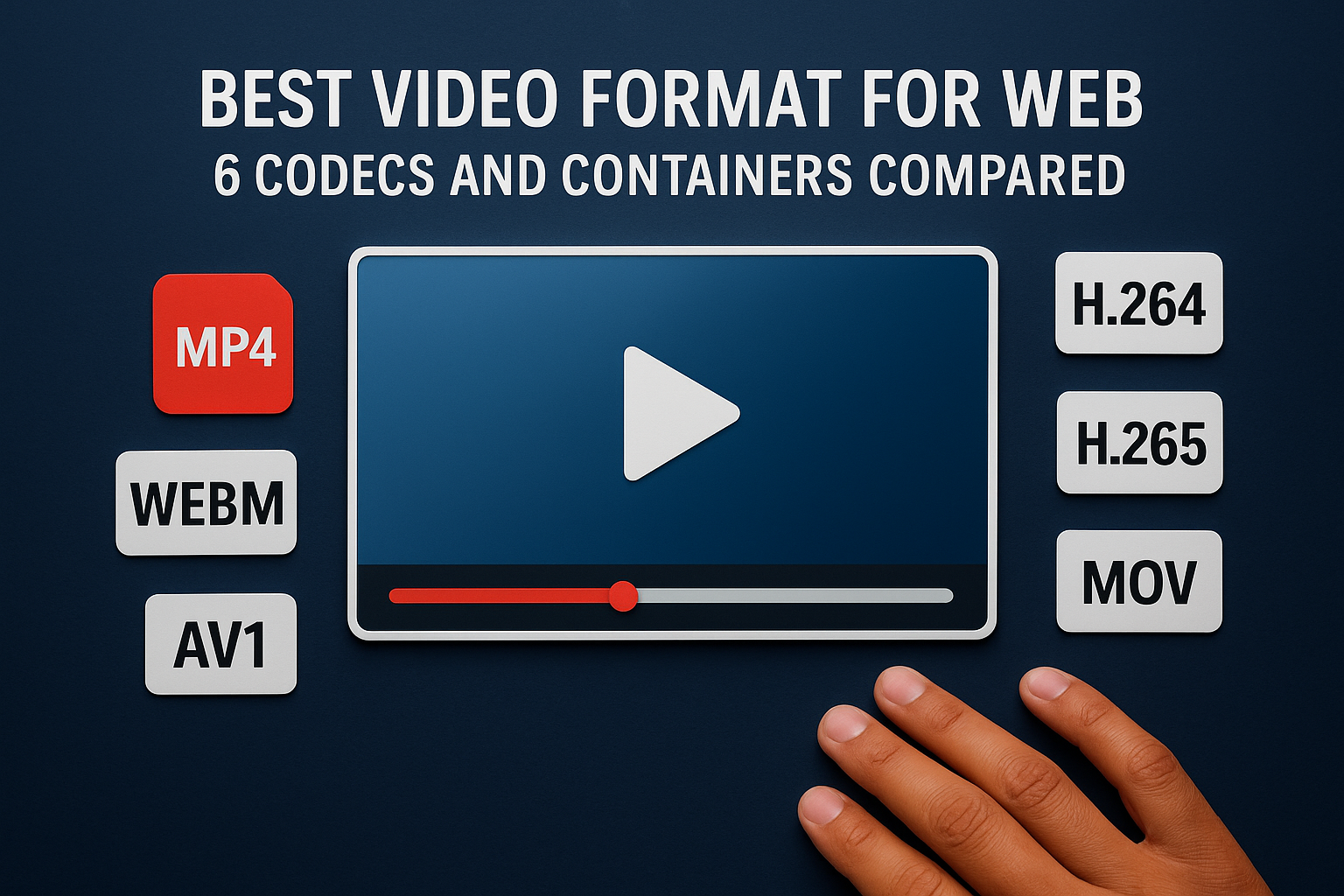
MP4 with H.264 is still the safe choice. Nearly everything plays it. But H.265 gives you better quality at smaller file sizes. The comparison between H.264 and H.265 shows H.265 can halve your file size without visible quality loss.
Problem? Older devices struggle with H.265. If your audience might be watching on five-year-old phones, stick with H.264.
Resolution matters less than you think. Most social platforms compress everything anyway. 1080p is plenty for most use cases. 4K files take forever to upload on dodgy conference WiFi and often get downscaled immediately.
Upload Speeds and Reliability
This is where upload video sharing breaks down in practice. You've got amazing content, but:
- Conference WiFi handles 12 simultaneous uploads before dying
- Mobile data caps make large uploads expensive
- Failed uploads lose content forever unless you've got auto-retry
The platforms that nail upload video sharing build in progressive upload (starts playing before fully uploaded), automatic retry on network failures, and adaptive quality based on connection speed.

Distribution Strategy Beyond "Post and Pray"
Upload is half the job. Getting eyes on content is the other half.
Multi-Platform Distribution
One video shouldn't mean one upload. Proper upload video sharing means:
- Master upload to your primary hosting platform
- Automated reformatting for different social specs
- Scheduled distribution across channels
- Tracking to see what actually works
Manually uploading the same video to five platforms wastes hours. Content curation tools can automate most of this, but you'll still need human judgment on timing and platform-specific adjustments.
Vertical vs Horizontal: Stop Fighting It
Converting horizontal video to vertical used to mean ugly black bars or weird cropping. Now it means smart reframing that keeps the action centred.
Attendees film vertically because that's how phones work. Fighting it is pointless. Embrace it:
- Vertical content performs better on mobile social platforms
- Horizontal content still owns YouTube and traditional viewing
- Square content splits the difference for feeds
Collect in whatever format people naturally use. Reformat for distribution.
Privacy and Permissions Without the Headache
You cannot upload and share videos of people without their permission. Full stop.
Consent Management
When you're collecting user-generated content from events, you need:
- Clear opt-in before attendees start filming
- Easy opt-out if they change their minds
- Usage rights that specify where content might appear
- Deletion capability to comply with GDPR
Best practices for consent management platforms suggest building this into the upload process itself. Not as an afterthought.
The platform should track who agreed to what, when, and for which purposes. "I think they said it was okay" doesn't cut it legally.
Secure Sharing Options
Sometimes you need to share videos without making them public. Secure video sharing solutions offer:
- Password protection
- Time-limited access
- Email-gated viewing
- Domain restrictions
Useful for client review, internal training, or exclusive attendee content that shouldn't leak to competitors.
The User-Generated Content Advantage
Here's why upload video sharing matters more than professional production for many events.
Authenticity beats polish. Attendees trust other attendees more than they trust your marketing department. A shaky phone video of someone genuinely enjoying your event outperforms a cinematic highlight reel.
Volume beats perfection. One perfect video gives you one piece of content. Twenty decent attendee videos give you twenty pieces of content, twenty perspectives, and twenty opportunities for reach.
Cost beats budget. Professional event video costs thousands. User-generated content costs nothing except the platform to collect and curate it.
| Traditional Production | User-Generated Collection |
|---|---|
| £2000+ per event day | Platform cost only |
| 1-2 weeks turnaround | Live during event |
| Single perspective | Multiple viewpoints |
| Professional but sterile | Authentic and relatable |
| Limited social reach | Organic sharing built-in |
Making It Work in Practice
The best UGC platforms handle the messy reality of collecting content from dozens or hundreds of people:
- Different phone types and settings
- Varying video quality
- Inconsistent framing and lighting
- No pre-production planning
You need AI-assisted curation to sort through it all. But the curation shouldn't sanitize the authenticity. It should find the genuine moments and make them shareable.

Bandwidth and Infrastructure Reality
Upload video sharing fails when infrastructure can't handle the load.
Event-Specific Challenges
Conferences and festivals create unique problems:
- Spike traffic - everyone uploads at once during breaks
- Poor connectivity - venues rarely have adequate WiFi
- Mobile reliance - attendees use phones, not laptops
- Immediate expectations - people want their content live now
Virtual event platforms have gotten better at handling this, but physical events still struggle.
Solutions that work:
- Offline-first upload - queues uploads and sends when connection improves
- Compression before upload - reduces bandwidth requirements
- Chunked uploading - breaks large files into manageable pieces
- CDN distribution - spreads load across global servers
Quality vs Speed Trade-offs
You can optimise for quality or speed, rarely both simultaneously. For upload video sharing at events:
Prioritise speed during the event - get content flowing while energy is high
Enhance quality afterwards - run AI upscaling or stabilization on selected clips
Archive high-quality originals - keep the raw files for future use
This matches how people actually consume event content. They want immediate clips during the event, polished highlights later.
Content Licensing and Rights Management
Once you've uploaded videos, who owns them? What can you do with them?
Content licensing determines whether you can:
- Reuse attendee footage in promotional materials
- Licence content to sponsors or media partners
- Create compilation videos for future events
- Use clips in paid advertising
Get this wrong and you're looking at legal hassles or forced takedowns.
Setting Clear Terms
Your upload video sharing platform should:
- Display clear terms before upload
- Explain usage rights in plain language (not legalese)
- Give creators options (full commercial use vs event-only vs personal)
- Track permissions per video
The Creative Commons licence chooser approach works well - let creators pick their comfort level rather than imposing one-size-fits-all terms.
Making Upload Video Sharing Work Long-Term
One successful event doesn't mean you've figured it out. Sustainable upload video sharing requires:
Building a Content Library
Each event generates content. Smart organizers treat it as a growing asset:
- Tag and categorize videos properly from the start
- Create searchable metadata (who, what, where, when)
- Build year-over-year comparisons to show growth
- Repurpose evergreen content for ongoing marketing
This only works if your upload video sharing system makes content findable. Dumping everything in one folder is useless six months later.
Audience Development
Upload video sharing supports broader content curation strategies. Each piece of user-generated content:
- Reinforces community belonging
- Provides social proof for future events
- Gives attendees shareable memories
- Extends event lifespan beyond the physical dates
The videos become conversation starters. "Remember when..." leads to "You should come next year..."
Platform Migration and Vendor Lock-In
Picking the wrong upload video sharing platform now creates problems later.
Can you export your content? Some platforms make it easy. Others effectively hold your videos hostage behind expensive API access or deliberate friction.
What happens if they shut down? Cloud-based platforms disappear. Have backups. Own your master files.
How portable are your URLs? If you've shared video links across social media and email, changing platforms breaks every link. Plan for this.
Decentralized options like PeerTube give you more control but require technical expertise. Hosted solutions are easier but create dependency.
There's no perfect answer. Just understand the trade-offs before you're stuck.
What Actually Moves the Needle
All this technical detail means nothing if your upload video sharing doesn't achieve business goals.
For events, that means:
Increased registrations - user-generated content from past events sells future ones better than any brochure
Extended reach - attendees sharing videos brings in their networks organically
Reduced production costs - authentic content from attendees replaces expensive professional crews
Stronger community - people who create content together feel more connected
Better data - seeing what content people actually create tells you what they value
The best video content creation software focuses on these outcomes, not just feature checklists.
Upload video sharing works when it's built around real human behavior, not ideal workflows that nobody follows. Get content flowing easily, curate it intelligently, distribute it strategically. The platform should handle the technical complexity so you can focus on the moments that matter. If you're running events and want attendees to become your storytellers, SureShot ApS provides the infrastructure to capture, curate, and share authentic video content that actually spreads. Your attendees already have the cameras. Give them a reason to use them.