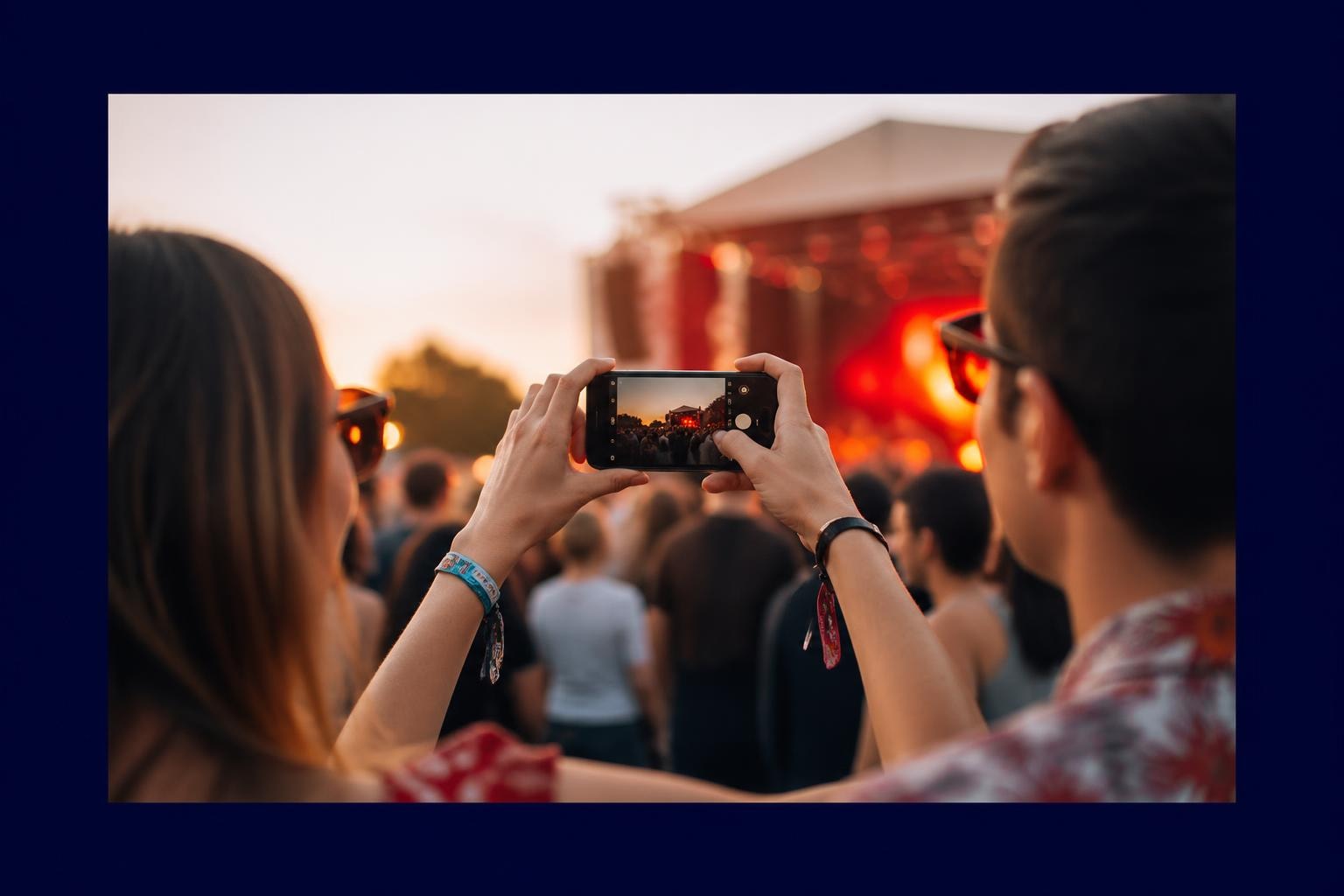

The best videos explaining anything aren't the ones with perfect lighting and scripted narration. They're the ones where someone who just experienced something shares it while they're still buzzing about it. Event organisers spend thousands on production crews to capture moments, but the footage that actually spreads? It's coming from attendees' phones. That raw, unpolished content does something professional videos can't: it feels real.
Why Videos Explaining Experiences Need Authenticity
People scroll past ads. They stop for friends.
When attendees create videos explaining what they're experiencing at your event, they're not selling anything. They're sharing. That's the difference between content people ignore and content people engage with.
Here's what makes attendee-generated content work:
- No sales pitch means no defensive posture from viewers
- Real reactions create emotional connection
- Friends trust friends more than brands
- Algorithms favour genuine engagement over polished ads
The production quality argument is dead. A shaky video of someone genuinely excited about a workshop beats a perfectly lit marketing piece. Every single time.
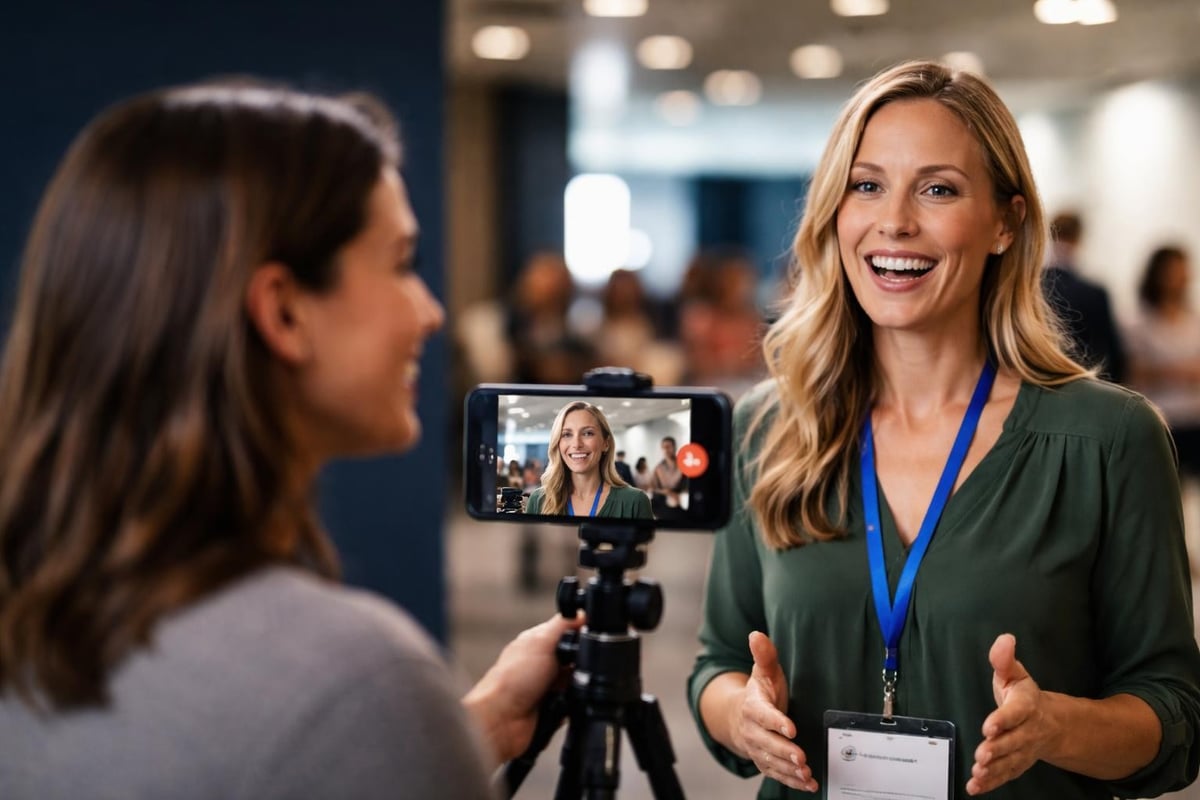
Research on effective instructional videos shows that clarity and relevance matter more than production value. The same principle applies to event content. Your attendees aren't film students, but they know what mattered to them.
What Actually Works in Videos Explaining Events
Forget the keynote recap. The magic happens in between.
Someone explaining why the networking session changed their perspective on their business problem. A quick video of workshop attendees solving a challenge together. The moment someone realises they've just met their next collaborator.
The Content People Actually Share
Not every moment needs capturing. But these do:
- Unexpected wins - When something surprised them
- Practical takeaways - The thing they'll use on Monday
- Human connections - Meeting the right person at the right time
- Behind-the-scenes reality - What it actually feels like to be there
Traditional event videos focus on speakers and stages. Attendee videos focus on impact. That's why they spread.
| Content Type | Professional Video | Attendee Video |
|---|---|---|
| Perspective | Observer | Participant |
| Emotion | Presented | Authentic |
| Share Rate | Low | High |
| Production Cost | £5,000-£50,000 | £0 |
| Trust Factor | Moderate | High |
The economics are absurd when you think about it. You're paying for content that performs worse than what your attendees would create for free.
How Videos Explaining Work Better Than Tutorials
Instructional videos have their place. But videos explaining actual experiences hit differently.
Atlassian's research on instructional videos emphasises clear objectives and concise delivery. Apply that to event content: attendees naturally focus on what mattered to them. They don't waste time on fluff because they're sharing with their network, not reading from a script.
The attendee advantage:
- They know their audience (their actual connections)
- They focus on what resonated (natural filtering)
- They speak the language of their industry (no corporate jargon)
- They're invested in the outcome (their reputation)
When someone creates a video explaining why a session changed their thinking, they're doing something professional marketers can't: lending their personal credibility to your event.
Content That Converts Without Selling
People hate being sold to. They love discovering things.
An attendee video explaining how they solved a business problem using something they learned at your event? That's not marketing. That's proof. And proof converts better than promises.
The best UGC platforms recognise this. They don't try to turn attendees into production teams. They make it easy to capture authentic moments and share them.
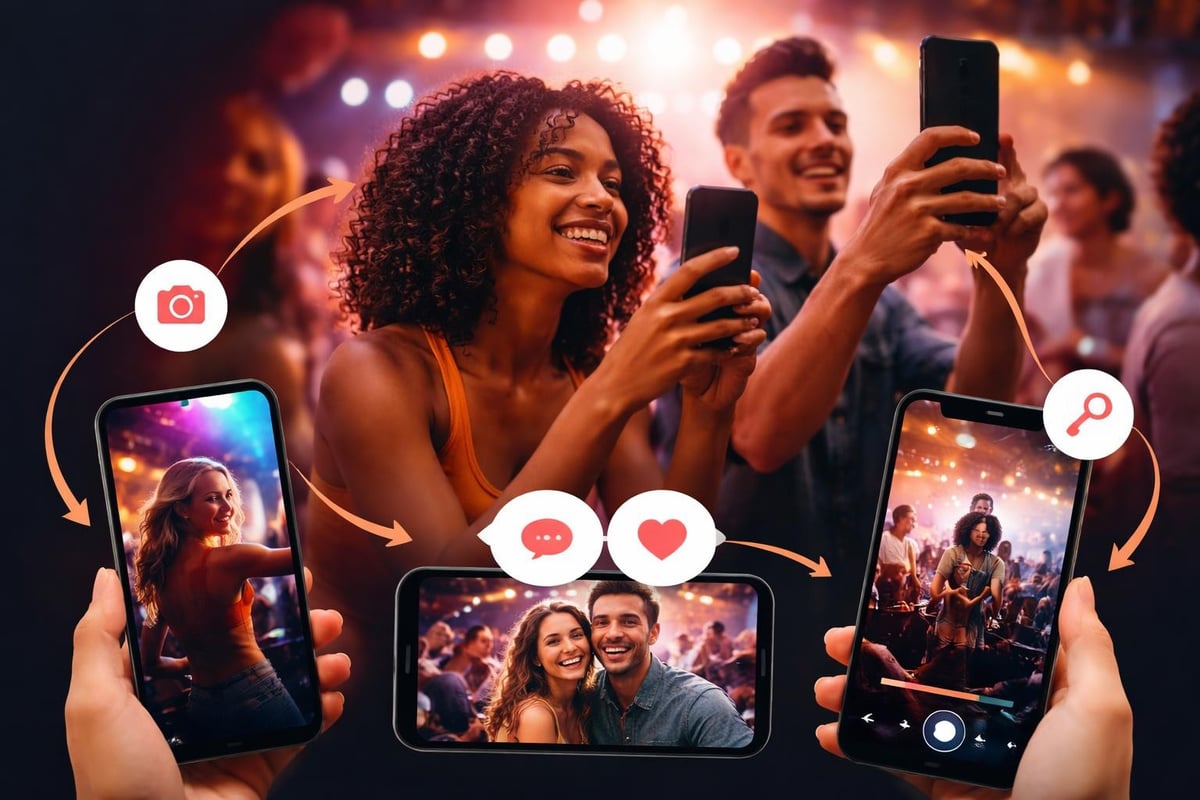
Making Videos Explaining Events Actually Happen
You can't force authenticity. But you can create conditions for it.
Give attendees a reason to pull out their phones. Not to record your speaker (they won't watch it later anyway), but to capture their own experience.
What Stops People From Creating Content
- Effort - If it takes more than 30 seconds, they won't bother
- Uncertainty - Not knowing if their content is "good enough"
- Privacy concerns - Worrying about rights and permissions
- No clear benefit - Why should they?
Solve these and you unlock your content library.
The technical side matters less than you think. Studies on instructional video best practices stress simplicity and accessibility. Your attendees already understand this instinctively. They create content for social media daily.
What you need to provide:
- Dead-simple submission process
- Clear guidelines on what's useful
- Proper consent management built in
- Recognition for contributors
- Examples of what works
The last point matters more than most organisers realise. Show people what good looks like (authentic, brief, focused) and they'll match it.
Videos Explaining vs Videos Promoting
There's a line between genuine sharing and promotional content. Your attendees know exactly where it is.
Videos explaining work because they're not trying to sell. They're documenting. The person creating the content benefits from sharing something valuable with their network. Your event benefits from authentic endorsement.
| Element | Explaining | Promoting |
|---|---|---|
| Focus | Personal experience | Event features |
| Benefit | Shares insight | Drives attendance |
| Tone | Conversational | Marketing copy |
| Credibility | Personal stake | Brand message |
When you automate event video curation, you're not replacing authenticity with efficiency. You're making it possible to surface the genuinely valuable content from dozens or hundreds of submissions.
The Editing Question
Raw footage is authentic. But it's not always watchable.
Here's where smart curation helps. You're not rewriting their story or adding corporate messaging. You're removing the dead air, fixing the audio levels, maybe adding captions for accessibility. The substance stays untouched.
Research on interactive elements in instructional videos shows that navigation and clarity improve learning outcomes. For event content, basic editing improves shareability. That's the trade worth making.
People won't share a five-minute video with 90 seconds of good content buried in the middle. They will share a 90-second video that gets straight to the insight.
Getting Attendees to Actually Create Content
The ask matters as much as the platform.
"Share your experience" is vague. "Show us the moment you had a breakthrough" is specific. Specific gets results.
Prompts that work:
- What's one thing you're taking back to your team?
- Which conversation changed your thinking?
- What surprised you most about today?
- Show us what you're working on right now
Notice what these aren't: "How great is our event?" That's promotional. These prompts focus on the attendee's experience, which is what makes videos explaining events valuable.
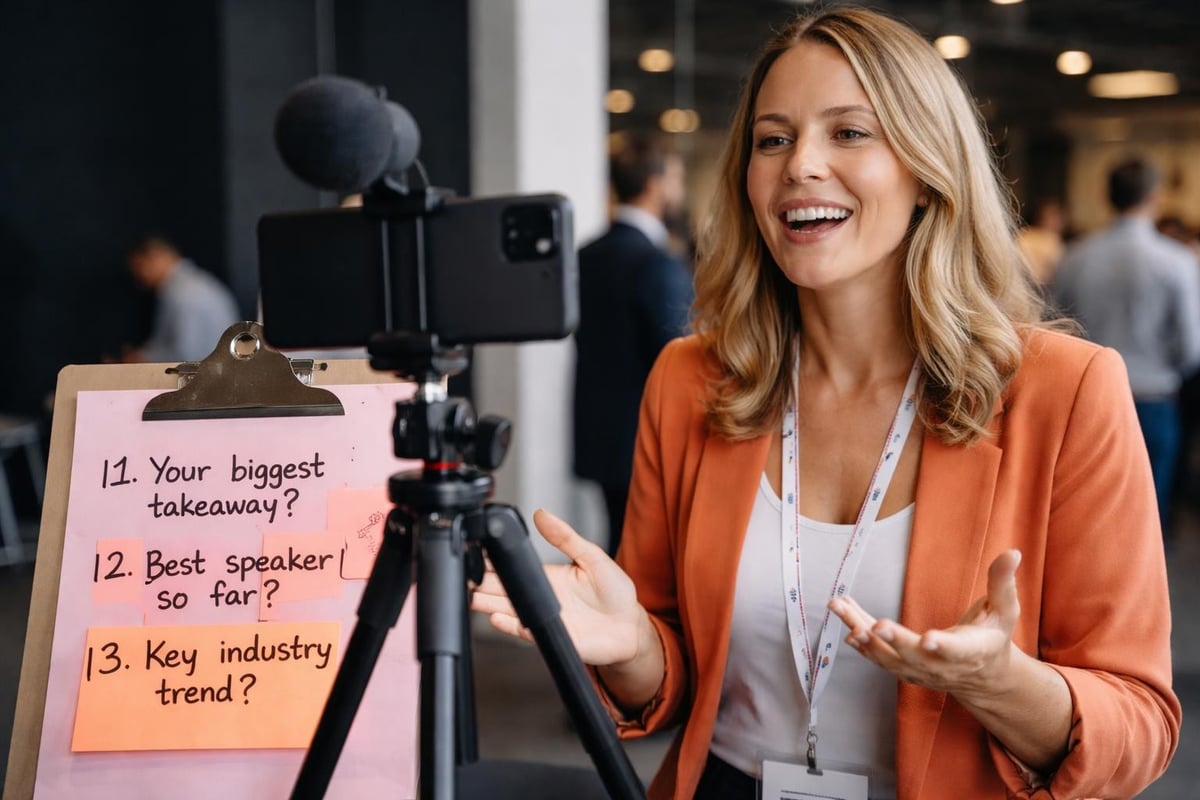
The timing matters too. Asking someone to create a video three weeks after your event gets you nothing. Asking them in the moment, when they're still feeling it? That's when authentic content happens.
What Videos Explaining Actually Do For Events
Forget vanity metrics. This is about real outcomes.
When attendees create videos explaining what they experienced, three things happen:
- Organic reach expands - Their network sees your event through a trusted lens
- Future attendance improves - Social proof beats advertising
- Content costs drop - You're not paying for production
That third point deserves emphasis. Event organisers budget thousands for video production. Then the footage sits on a hard drive or gets edited into a highlight reel nobody watches.
Attendee content gets created, shared, and engaged with - all without your production budget. The ROI isn't just better. It's incomparable.
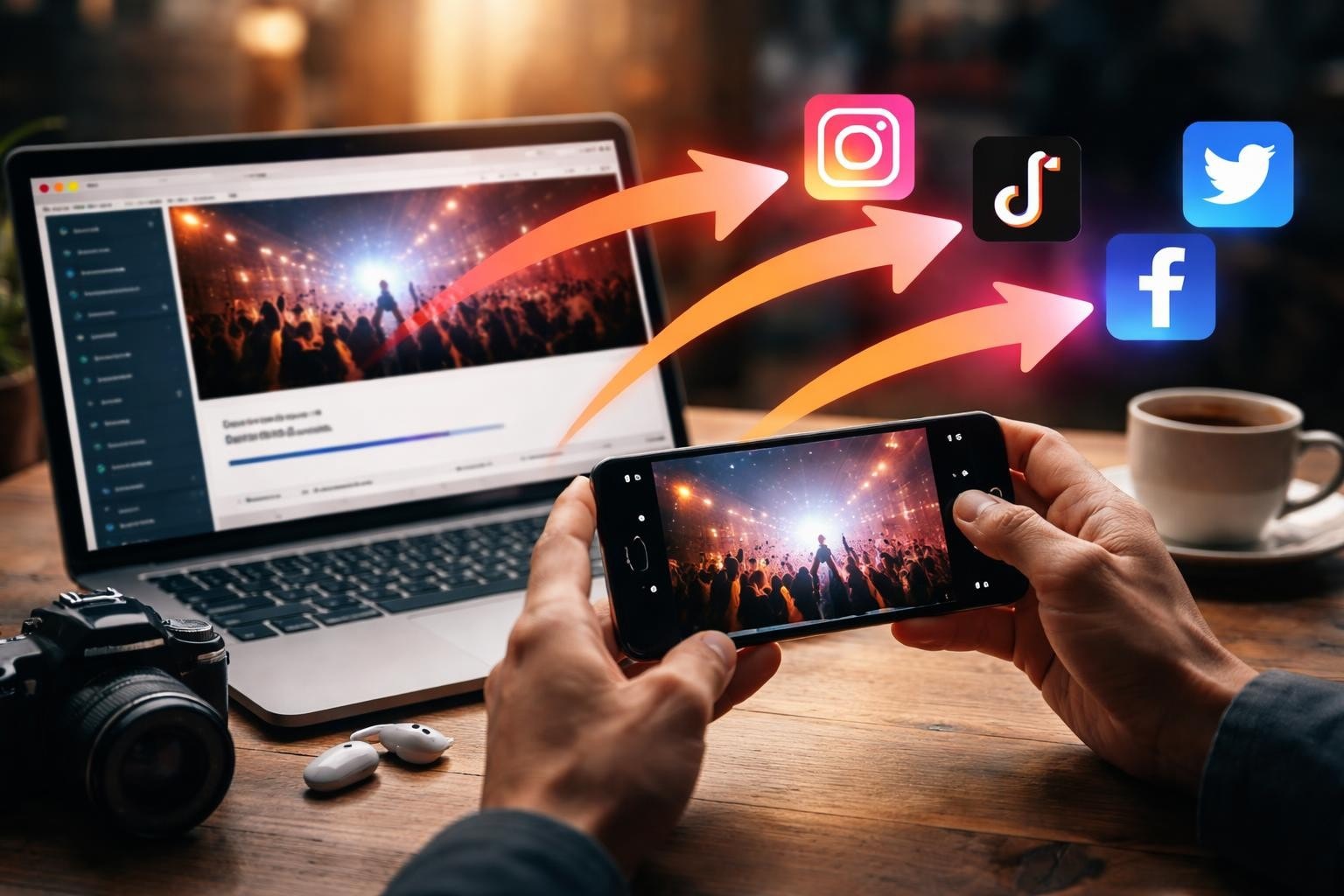
The Social Media Multiplication Effect
One attendee video explaining their experience reaches their network. Ten attendee videos reach ten networks. Fifty attendee videos create coverage you couldn't buy.
Content curation best practices focus on selecting and sharing the most valuable pieces. With attendee content, the curation step is critical. Not every submission is share-worthy, but the gems are worth their weight.
The beauty of authentic content: it doesn't age like marketing material. A genuine testimonial about your 2025 event still works as social proof for your 2026 event. Professional promotional videos feel dated after six months.
Why AI Helps Without Hurting Authenticity
Using AI to generate videos? That's not the play.
Using AI to help curate and polish authentic content? That's different.
The attendee's voice stays central. Their perspective, their words, their enthusiasm. AI just helps you:
- Identify the best submissions faster
- Clean up audio without changing tone
- Add captions for accessibility
- Trim dead space while preserving content
- Organise submissions by theme or topic
Guidelines from Salisbury University on quality instructional videos emphasise planning and technical considerations. AI handles the technical side so human judgment can focus on authenticity and relevance.
The videos explaining your event's impact still come from real people. Technology just makes them more discoverable and watchable.
Short-Form Videos Explaining Beat Long-Form Every Time
Attention spans aren't getting longer.
A three-minute video explaining one clear insight beats a twenty-minute overview every time. Understanding short-form video length helps you guide attendees toward creating content that actually gets watched.
Short-form advantages:
- Higher completion rates
- Better social platform performance
- Easier for attendees to create
- More likely to be shared
- Clearer, more focused messages
When you're working with attendee content, brevity is your friend. People aren't creating documentaries on their phones. They're capturing moments. That's exactly what works.
The content curation versus content creation debate misses the point. You need both. Attendees create. You curate. Together you build a content library that actually drives value.
Privacy and Rights Matter More Than You Think
You can't just grab attendee content and use it however you want.
Proper consent management isn't optional. It's foundational. People need to know:
- Where their content will appear
- How long you'll use it
- Whether they can revoke permission
- Who owns the rights
Get this wrong and you create legal headaches. Get it right and you build trust.
The platforms that work make consent simple and transparent. One checkbox shouldn't give you unlimited rights to someone's content forever. Clear terms protect everyone.
Moving From Theory to Practice
You don't need a massive event to start gathering authentic videos explaining attendee experiences.
Start small. Pick your next event. Give attendees a simple way to submit content. Make it clear what you're looking for. Handle the content curation thoughtfully.
The first batch won't be perfect. That's fine. You're building a muscle, not launching a finished product.
First steps that work:
- Choose one specific prompt for attendees
- Make submission as easy as possible
- Review and select the best submissions
- Share them with clear attribution
- Measure what resonates
The goal isn't polished marketing videos. It's authentic content that spreads because it's genuine. That's what videos explaining real experiences deliver.
Authentic attendee content outperforms professional production because people trust people, not brands. The economics work better, the reach goes further, and the content actually gets watched. SureShot ApS makes it simple for event organisers to turn attendees into storytellers, capturing genuine moments that spread naturally across social media while cutting production costs. Your next event already has the content creators you need - they're called attendees.