
You've seen them everywhere. Videos that look like someone just pulled out their phone and started filming. No production crew. No script. No polish. That's ugc style video, and it's beating professionally produced content at its own game. Not because it's better made. Because it's real. And in 2026, real sells better than perfect.
What Makes UGC Style Video Different
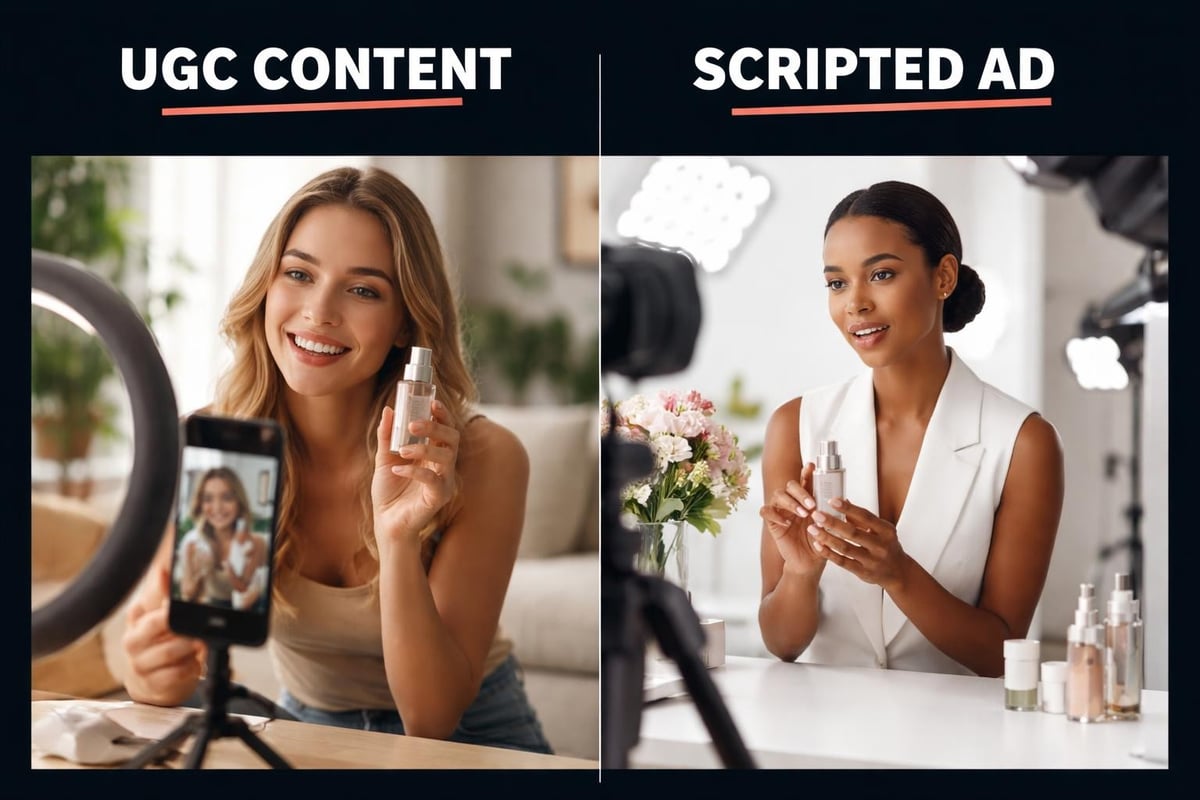
A ugc style video doesn't try to hide what it is. It shows phone notifications. It captures shaky camera work. It includes background noise. All the things a professional videographer would eliminate? That's exactly what makes it work.
The difference isn't just aesthetic. It's about trust.
When you watch a polished brand video, you know someone scripted it. Someone lit it. Someone spent days editing it. Your brain registers: this is an advertisement. But when you watch someone at a music festival filming their mates having the time of their lives, your brain says: this is real.
The Raw Elements That Matter
Here's what actually defines the style:
- Vertical format because that's how people hold phones
- Casual framing that puts the moment ahead of composition
- Natural audio including ambient noise and genuine reactions
- Unscripted delivery where people talk like themselves
- Real environments rather than controlled settings
- Authentic emotion captured in the moment
None of this is about making videos worse. It's about making them believable.
Why Brands Are Switching
Traditional video production costs money. A lot of it. You're paying for cameras, crew, editors, talent, locations. Then you're paying again when you need fresh content next month.
User-generated content flips that model. Your audience creates the content. You curate it. The production cost drops to nearly nothing, and the authenticity multiplies.
But here's what matters more than cost: performance.
The Numbers That Changed Marketing
| Metric | UGC Style Video | Traditional Brand Content |
|---|---|---|
| Trust level | 92% of consumers trust UGC | 52% trust brand content |
| Engagement rate | 28% higher | Baseline |
| Conversion impact | 5x more influential | Baseline |
| Production cost | 90% lower | Full budget required |
These aren't marginal gains. They're different orders of magnitude.
When someone shares a video from your event, their network doesn't see it as marketing. They see it as a recommendation from someone they know. That changes everything about how the message lands. User-generated video content spreads because people want to share it, not because you paid for distribution.
How Events Amplify UGC Video
Events are perfect for this. You've got people already excited. Already engaged. Already holding their phones. The content creates itself if you give them a reason to share it.
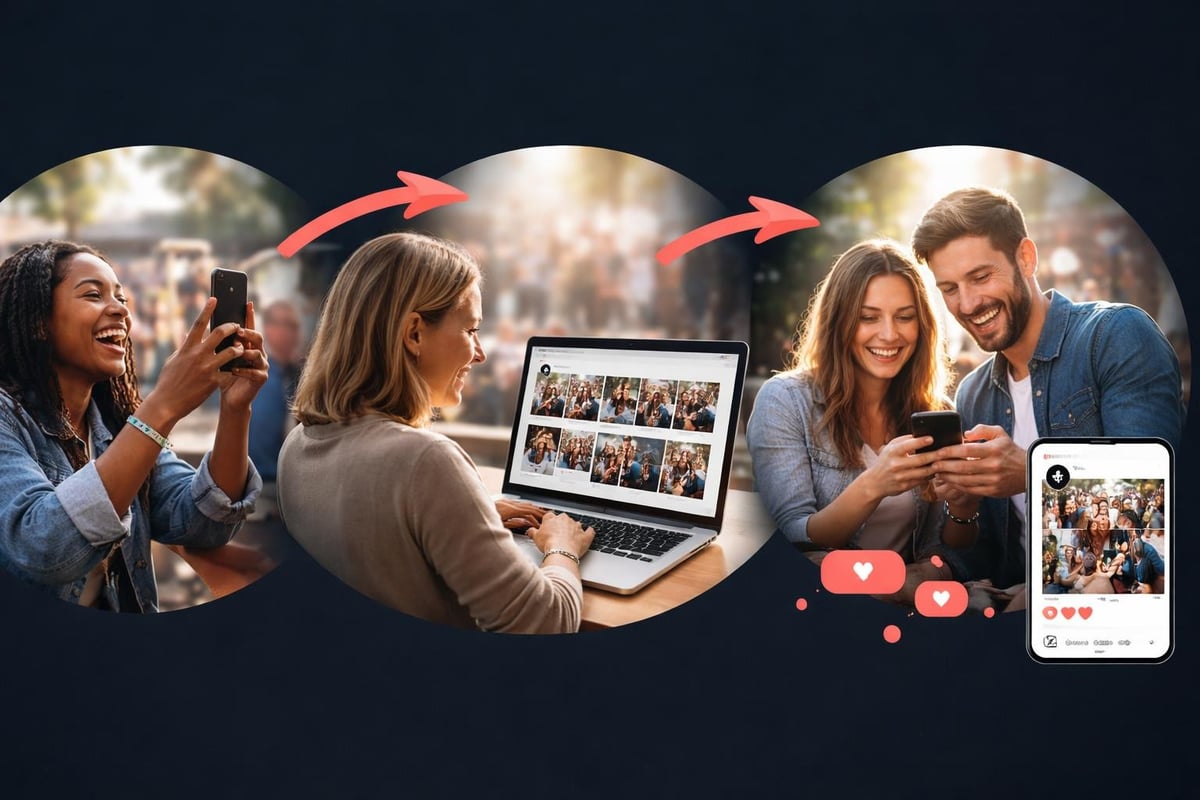
Think about how this works at a festival. Someone captures their favorite moment. They post it. Their friends see it. Some of those friends attend next year. They create their own videos. The cycle continues, and you're building a content library that grows exponentially while traditional marketing degrades.
Making It Actually Happen
You can't just hope people film things. You need structure:
- Give clear prompts about what moments matter
- Make sharing easy through dedicated platforms
- Show appreciation for good content
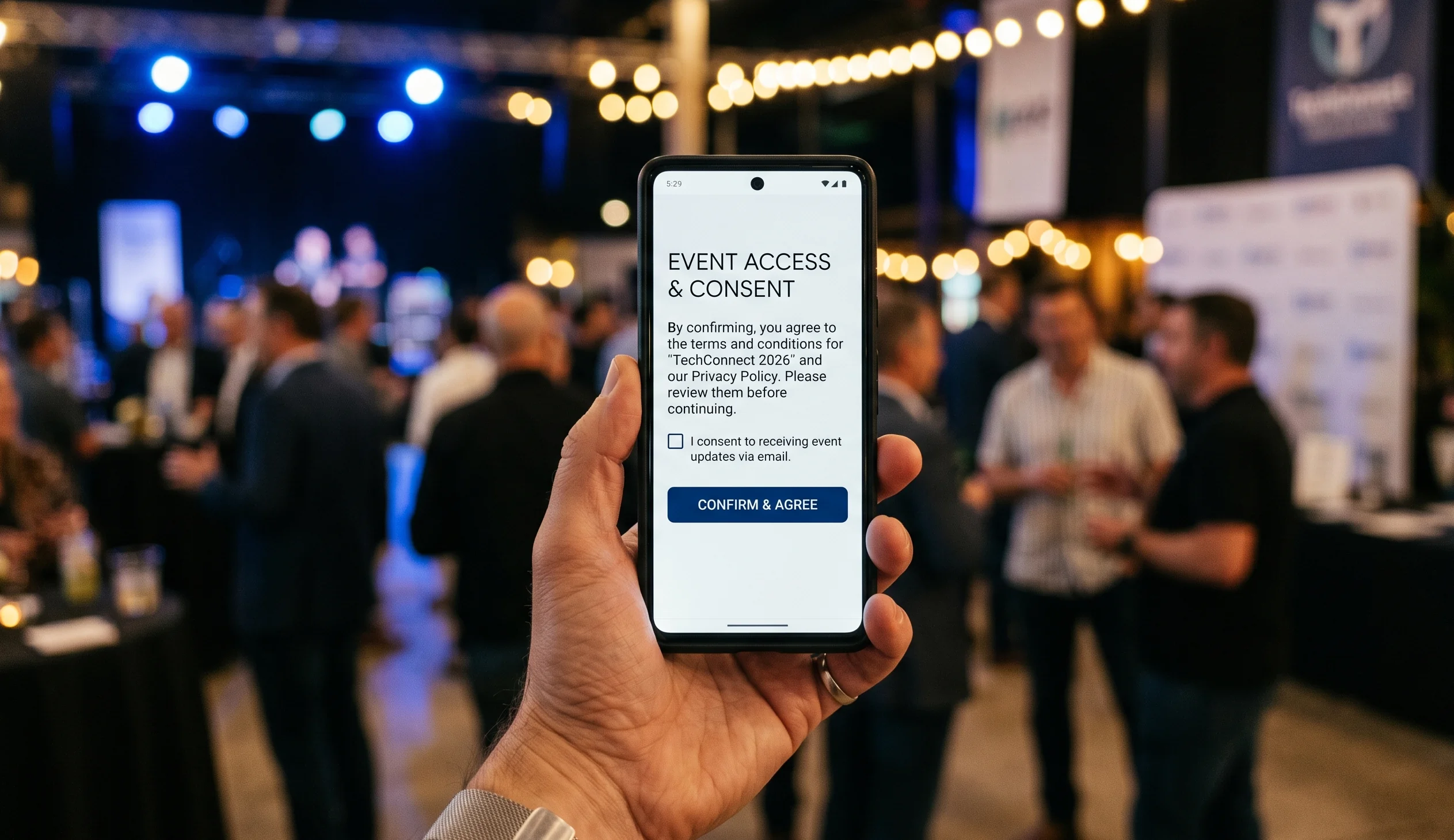
- Handle permissions properly from the start
- Curate intelligently so quality rises to the top
The middle step matters most. If sharing requires ten steps and three apps, it won't happen. If it's built into the event experience, it becomes natural. That's where choosing the right platform makes the difference between getting dozens of videos versus getting none.
The Curation Problem Nobody Talks About
Here's where most ugc style video strategies fall apart. You ask for content. People send it. Then you're drowning in footage with no way to sort the gold from the rubbish.
You need curation. But you don't need to watch 500 videos manually.
What Good Curation Looks Like
Smart filtering removes duplicates and low-quality captures automatically. Not through AI that tries to recreate professional standards, but through simple metrics. Is the lighting visible? Is there audio? Is it longer than three seconds?
Permission tracking happens at upload, not after the fact. You can't use content you don't have rights to. Sorting that out post-production is a nightmare. Proper consent management saves you from legal headaches and angry contributors.
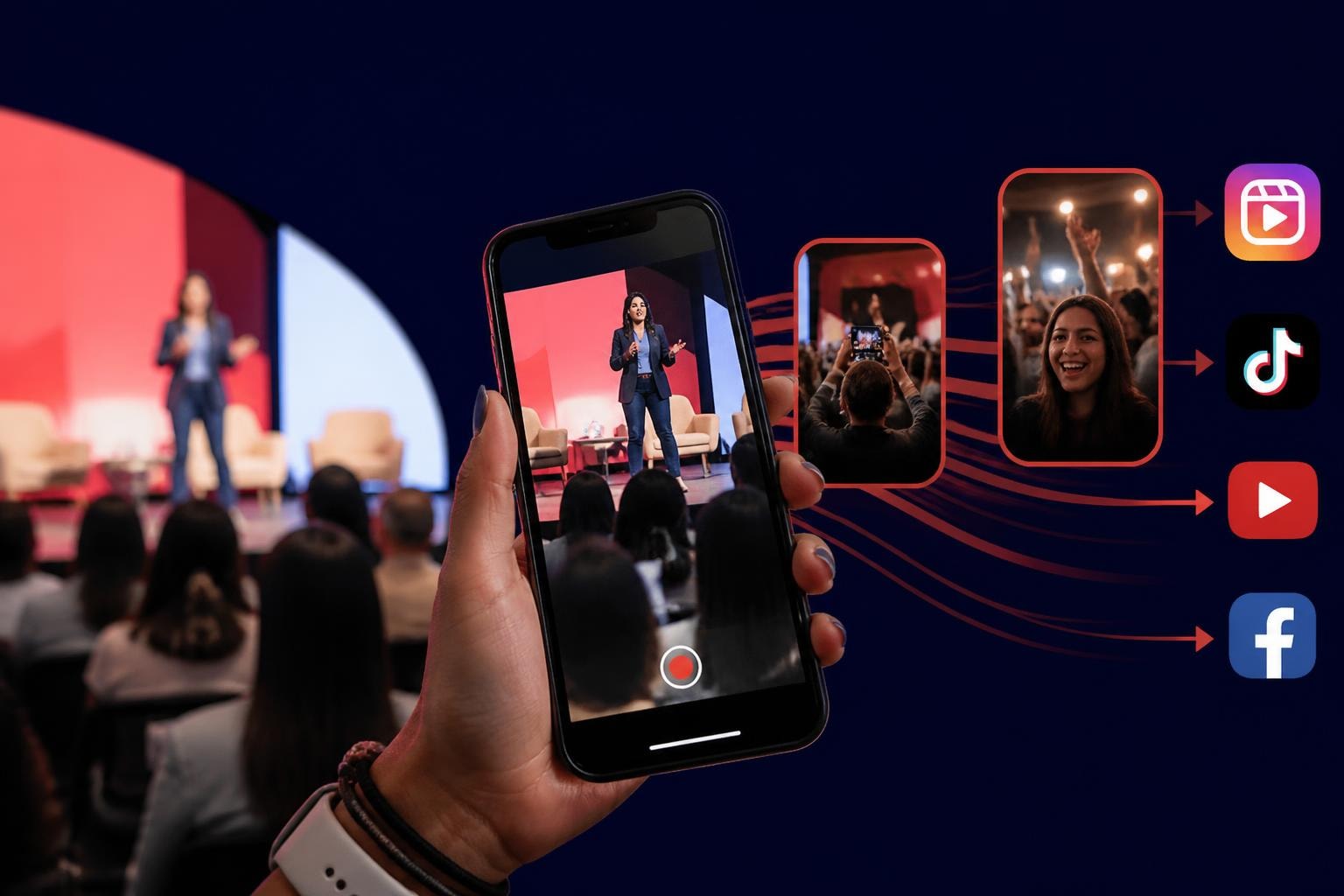
Format optimization adjusts content for different platforms without destroying its authentic feel. A video perfect for Instagram Reels needs different specs than one heading to LinkedIn. The technical adjustments happen behind the scenes. The authentic feel stays intact.
Best practices for content curation aren't about making content look professional. They're about finding and organizing the authentic moments that already work.
Platform Choices That Actually Matter
Where you share ugc style video changes how it performs. Each platform has different expectations, different formats, different audiences.
Platform-Specific Strategies
| Platform | Format | What Works |
|---|---|---|
| Instagram Reels | 9:16 vertical, 15-90s | Quick moments, trending audio |
| TikTok | 9:16 vertical, 15-60s | Genuine reactions, challenges |
| 16:9 or 1:1, 30-90s | Professional events, insights | |
| Various, 1-3 min | Longer stories, community moments | |
| YouTube Shorts | 9:16 vertical, under 60s | Highlights, compilations |
You can't just upload the same video everywhere. Well, you can. But you're wasting the content's potential.
Understanding how to create effective short-form video for each platform means matching the content's natural energy to where it'll perform best. A quiet, intimate moment works differently than a crowd going wild. Place each where it fits.
What Doesn't Work
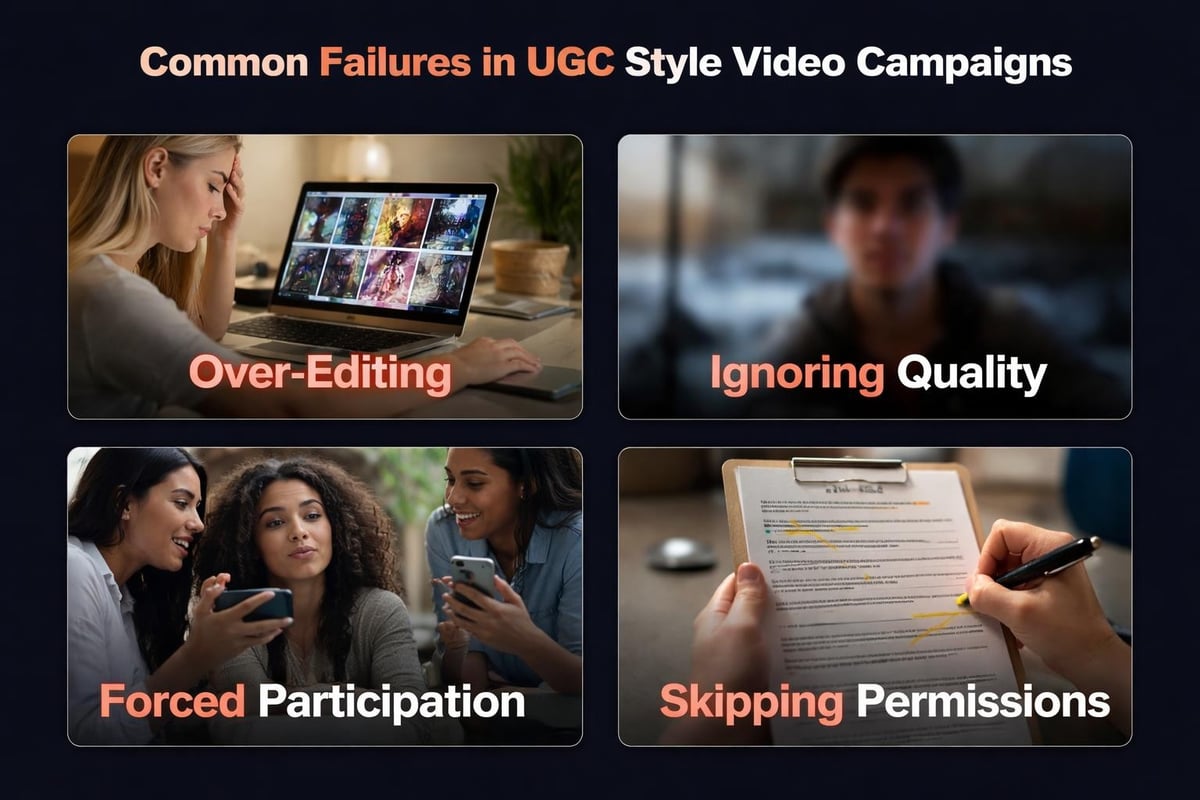
Let's be clear about where this approach fails. Because it will fail if you do these things:
Trying to make UGC look professional. The moment you add transitions, color grading, and motion graphics, you've killed what made it valuable. Leave it alone.
Ignoring quality entirely. Authentic doesn't mean unwatchable. If the audio is pure static or the video is just a dark blur, it's not serving anyone. There's a baseline. Respect it.
Forcing participation. When you make creating content feel like work, people stop doing it. The content needs to come from genuine moments, not obligations.
Skipping permissions. You need explicit consent. Every time. No exceptions. Taking shortcuts here destroys trust and creates legal exposure.
Forgetting your audience. User-generated content campaigns work when you understand what your specific audience wants to see and share. Generic prompts get generic results.
Real Applications Beyond Marketing
Yes, ugc style video works for marketing. But limiting it to that misses bigger opportunities.
Internal Documentation
Events generate knowledge. Workshops, presentations, networking conversations. When attendees capture these moments, you're building an organic knowledge base. No need for a documentation team following speakers around. The audience does it because they find it valuable.
Community Building
People who create content together form stronger connections. When someone films a moment and others appear in it, they're invested in each other's experience. That changes how they engage with your brand and with each other.
Product Development
What moments do people actually capture? What gets shared versus what gets deleted? That's direct feedback about what matters to your audience. Better than any survey.
Training and Onboarding
New team members or attendees can watch authentic footage from past events. Not a produced highlight reel that makes everything look perfect. Real moments that set accurate expectations.
The Technical Bits That Matter
You don't need expensive equipment. But you do need basic infrastructure.
Storage that scales because video files add up quickly. Cloud storage with proper backup. Nothing kills enthusiasm faster than losing someone's content.
Mobile-first upload because nobody's transferring files from their phone to a computer first. If your system requires that, you've already lost.
Format handling that works with whatever people shoot. iPhone, Android, different aspect ratios, different codecs. Your system handles it, not your contributors.
Delivery optimization so videos load fast wherever they're viewed. Understanding video formats helps, but your platform should handle this automatically.
The tech should be invisible. People film. People upload. It works. End of story.
Making It Sustainable
One event with great ugc style video content is nice. Doing it consistently is what builds real value.
Building the Habit
Start with clear expectations. Tell people what you're looking for before the event. Not scripts. Just context. "Capture your favorite moment." "Show us something unexpected." Simple prompts work better than detailed briefs.
Make creation part of the experience, not separate from it. When filming and sharing feel natural, they happen naturally. When they feel like an assigned task, quality drops.
Recognize contributors in ways that matter to them. Sometimes that's public credit. Sometimes it's exclusive access. Sometimes it's just seeing their content used well. Ask what motivates them.
Iterate based on what works. Track which prompts generate the best content. Which sharing methods get used most. Which contributors produce repeatedly. Double down on what's working.
Automating event video curation means you spend less time on busywork and more time on strategy. The process should get easier with each event, not harder.
Why Authenticity Wins
We're saturated with professional content. Every brand has perfect photos. Polished videos. Carefully crafted messages. They all blur together.
Then someone posts a shaky video of their genuine reaction to something amazing. It cuts through. Not despite its rough edges. Because of them.
Video marketing best practices used to mean high production value. Now they mean high authenticity. The shift happened because audiences got smart. They can spot manufactured moments instantly.
A ugc style video works because it doesn't try to manipulate. It just shows what happened. In a landscape where everyone's selling something, that honesty stands out.
The Content Library Advantage
Each event generates dozens or hundreds of videos. Most brands use them once and move on. That's wasteful.
Long-Term Value
Good ugc style video content has shelf life. A moment captured authentically last year can still resonate this year. Unlike dated professional content that screams its production era, genuine moments stay relevant.
Build a searchable library. Tag by theme, emotion, activity, contributor. When you need content for a campaign, you've got authentic options ready. No production timeline. No budget request. Just real moments from real people.
This is where content curation tools earn their keep. Not just organizing files. Connecting content to context so you can find exactly what you need when you need it.
Rights and Usage
Keep permission records tied to each piece of content. You need to know what you can use, where you can use it, and for how long. Losing this information turns valuable assets into legal liabilities.
Understanding content licensing isn't exciting. But it's essential. The best ugc style video in the world is worthless if you can't legally share it.
Where This Is Heading
The trend toward authenticity isn't reversing. Gen Z and Gen Alpha spot inauthentic content even faster than Millennials. They've grown up saturated with advertising. Their filters are incredibly sensitive.
More platforms will prioritize authentic content in their algorithms. They know it drives engagement. Professional brand content gets served to fewer people unless you pay for distribution. User-generated content spreads organically.
Production quality will matter less, not more. As AI makes professional-looking content easier to create, the value shifts to provable authenticity. Content that clearly comes from real people in real moments.
Permission and privacy will get stricter. Regulations around content usage will tighten. Brands that built proper consent workflows early will have advantages. Those that didn't will face serious problems.
Integration becomes standard. Creating, sharing, and curating ugc style video will be built into event platforms, not bolted on afterward. The easier the process, the more content you'll collect.
Understanding where things are going helps you prepare properly. The brands winning with ugc style video in 2026 started building their systems in 2024 or earlier. Don't wait until competitors have massive content libraries and established contributor networks.
Getting Started Without Overthinking
You don't need a perfect system. You need to start collecting content.
Pick one event. Create one simple prompt. Give people one easy way to share. See what happens.
Then adjust. Maybe the upload process was too complicated. Maybe the prompt was too vague. Maybe you needed better permission tracking. Fix one thing at a time.
The goal isn't perfection. It's progress. Each event should generate more usable content than the last. Each iteration should feel smoother than the previous one.
Most brands never start because they're waiting for the perfect setup. The perfect setup doesn't exist. The working setup emerges from actually doing the work.
UGC style video works because it's real, and real cuts through the noise in ways polished content can't match anymore. The key is making creation and sharing effortless while maintaining the authenticity that makes it valuable. If you're running events and not capturing these authentic moments, you're leaving serious content value on the table. SureShot handles the technical complexity so your attendees can focus on capturing genuine moments while you build a content library that actually performs.