
Real time videos aren't some buzzword tech vendors dreamt up last Tuesday. They're videos captured, processed, and shared whilst the moment is still happening. No waiting around for post-production. No editors faffing about for weeks. The video exists and moves through your workflow as the event unfolds. For anyone running events, this changes everything about how you think of content creation.
What Actually Makes a Video "Real Time"
The technical definition isn't complicated. Real time videos get recorded, processed, and distributed with minimal latency between capture and delivery. We're talking seconds or minutes, not hours or days.
But here's what matters: real time means your content hits social feeds whilst people still care. When attendees are buzzing about what just happened on stage, your video is already there. The real-time video processing pipeline architecture handles decoding, analysis, and action fast enough that the delay doesn't kill the moment.
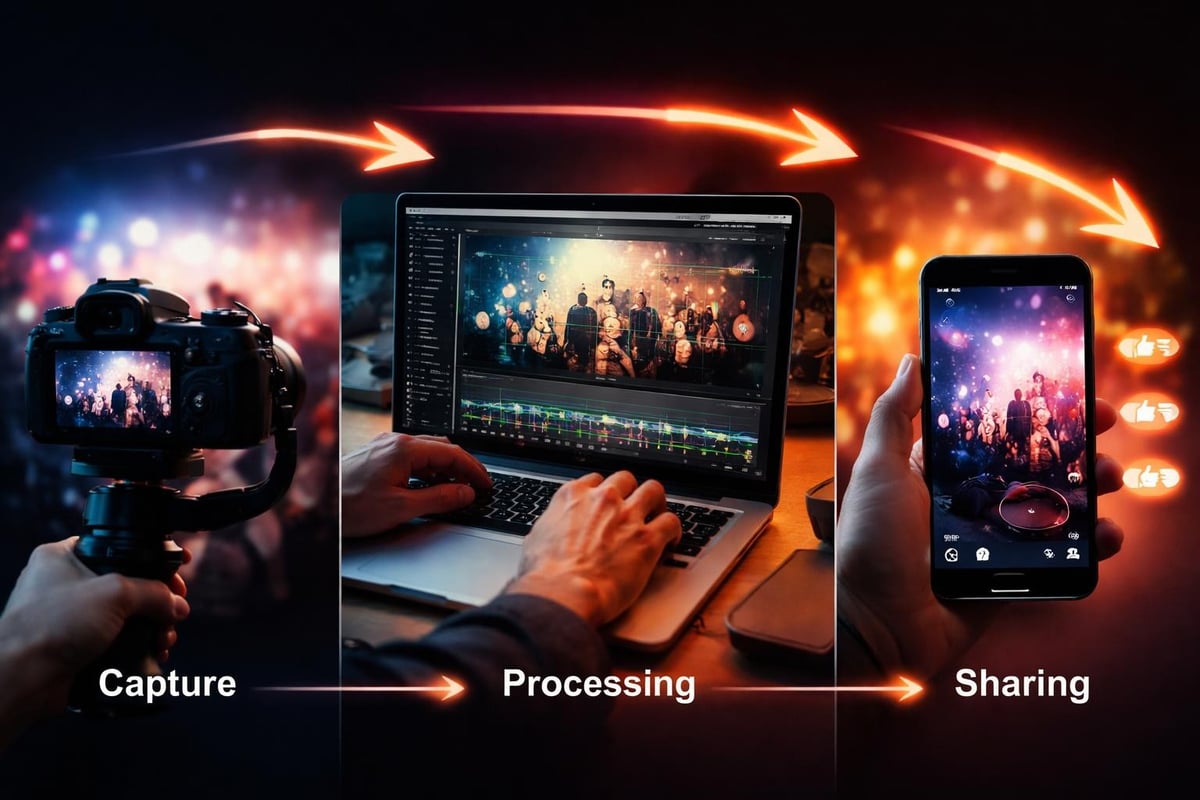
Three things define whether a video qualifies as real time:
- Capture latency: How quickly recording starts after someone hits the button
- Processing speed: How fast your system can analyse, curate, and prepare the content
- Distribution velocity: How soon the video reaches your audience
Traditional video workflows measure these in hours or days. Real time systems measure in seconds.
Why Speed Actually Matters
You've probably noticed that nobody talks about last week's event anymore. Social media runs on right now. By the time your professionally edited highlight reel is ready, the conversation has moved on.
Real time videos solve this by capturing authentic moments as they happen. Your attendees become storytellers, and their content reaches their networks whilst the event is still trending. That's not just faster - it's fundamentally different.
The Authenticity Problem with Traditional Content
Here's the bit everyone misses: polished content looks polished. Your audience knows it. They scroll past it because they've seen a thousand variations of the same professionally lit, perfectly framed event video.
User-generated real time videos feel different because they are different. They're shot from the crowd, with real reactions, real audio, real energy. When someone at your festival films the moment the headliner walks on stage, that's worth more than your official camera angle. It's authentic.
This is where platforms like SureShot come in - they don't try to replace authenticity with synthetic content. They help you collect, curate, and share what your attendees are already filming.
The Tech That Makes It Work
You don't need to understand every detail, but knowing what's happening under the hood helps you make better decisions.
Modern real-time video processing relies on GPU computing and machine learning to analyse video data instantly. Your system needs to handle multiple streams simultaneously, identify the good content, and prepare it for distribution without creating bottlenecks.
| Processing Stage | What Happens | Why It Matters |
|---|---|---|
| Capture | Video recorded on mobile devices | Attendees use phones they already have |
| Upload | Content sent to cloud infrastructure | Happens automatically over WiFi or mobile data |
| Analysis | Smart filtering flags quality content | Reduces manual curation workload by 80% |
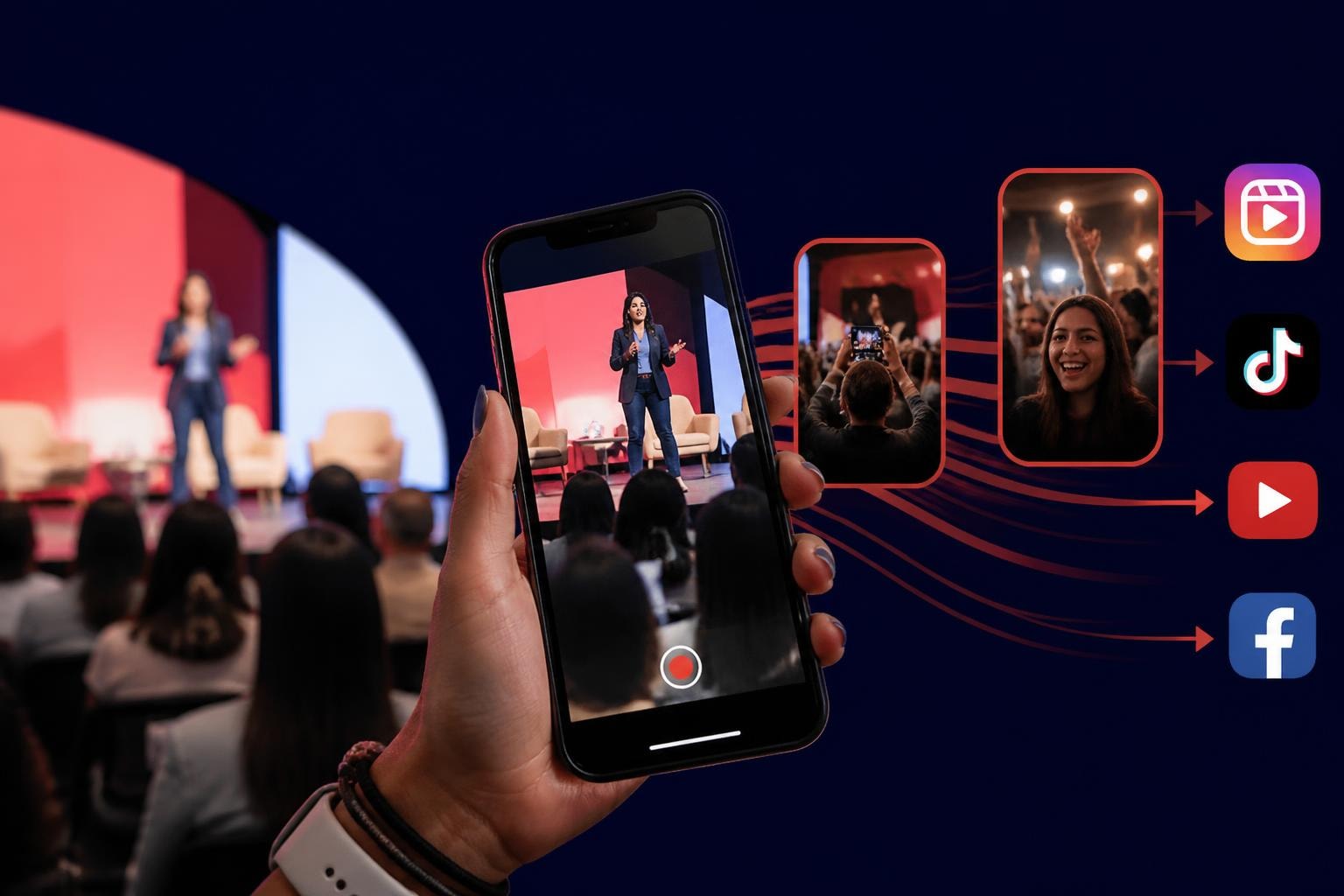
| Distribution | Approved clips shared to social platforms | Content reaches networks whilst trending |
The interesting challenge is maintaining quality whilst moving fast. High-resolution real-time video processing demands low-latency systems that don't sacrifice visual quality for speed.
Compression and Format Decisions
This is where things get technical, but it affects your final output. Real time videos need efficient compression to upload quickly from mobile devices without destroying quality.
Most platforms use H.264 or H.265 codecs. The differences between H.264 and H.265 matter when you're dealing with hundreds of video uploads. Better compression means faster uploads and lower bandwidth costs.
But here's what actually impacts your workflow: the format needs to work across platforms. Instagram wants one thing, TikTok wants another, LinkedIn has its own preferences. Real time systems handle this automatically.
Building Workflows That Don't Break
The technology is one thing. Making it actually work at your event is another.
Start with infrastructure. Your venue needs WiFi that doesn't collapse when 500 people try uploading video simultaneously. Mobile data helps, but you can't rely on it entirely.
Set clear guidelines. Attendees need to know what you want them to film. Give them specific prompts, not vague instructions like "capture the atmosphere." That's meaningless.
Establish curation protocols. Even with smart workflows, someone needs to make final decisions about what gets published. Set up approval workflows before your event starts.
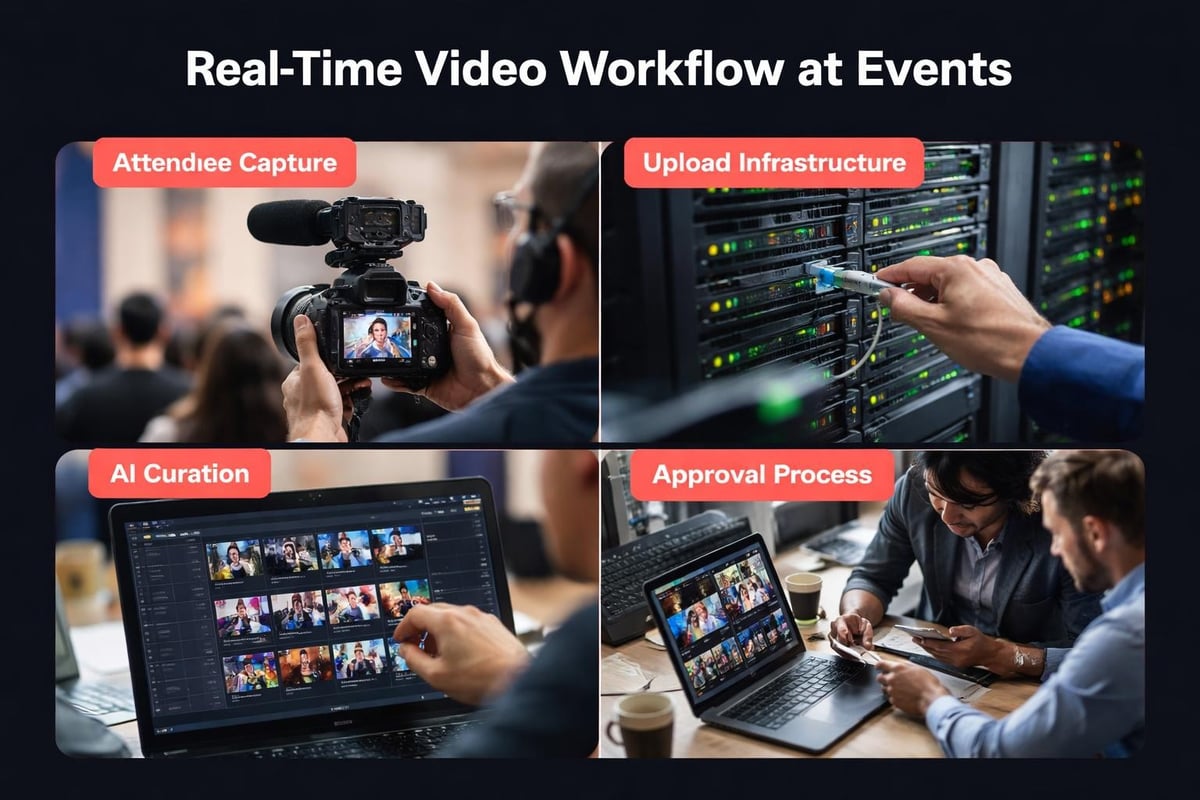
Your content curation strategy determines whether you end up with gold or garbage. Smart filtering can flag the good stuff, but it can't replace human judgement about brand alignment and messaging.
The User-Generated Advantage
Here's the uncomfortable truth about professional event videography: it's expensive, limited, and often misses the moments that matter most.
You've got two or three professional camera operators trying to capture everything at a 2,000-person event. They get the main stage, maybe some B-roll of the crowd. They definitely miss the spontaneous interactions, the genuine reactions, the stuff that makes people feel like they were there.
Real time videos from attendees solve this through sheer volume and perspective. You've got hundreds of cameras, all capturing different angles and moments. Some of it's rubbish, obviously. But the best 5% is better than anything a professional crew could get.
Consent and Rights Management
This matters more than most people think. When attendees film content at your event, who owns it? When you share their videos, what permissions do you need?
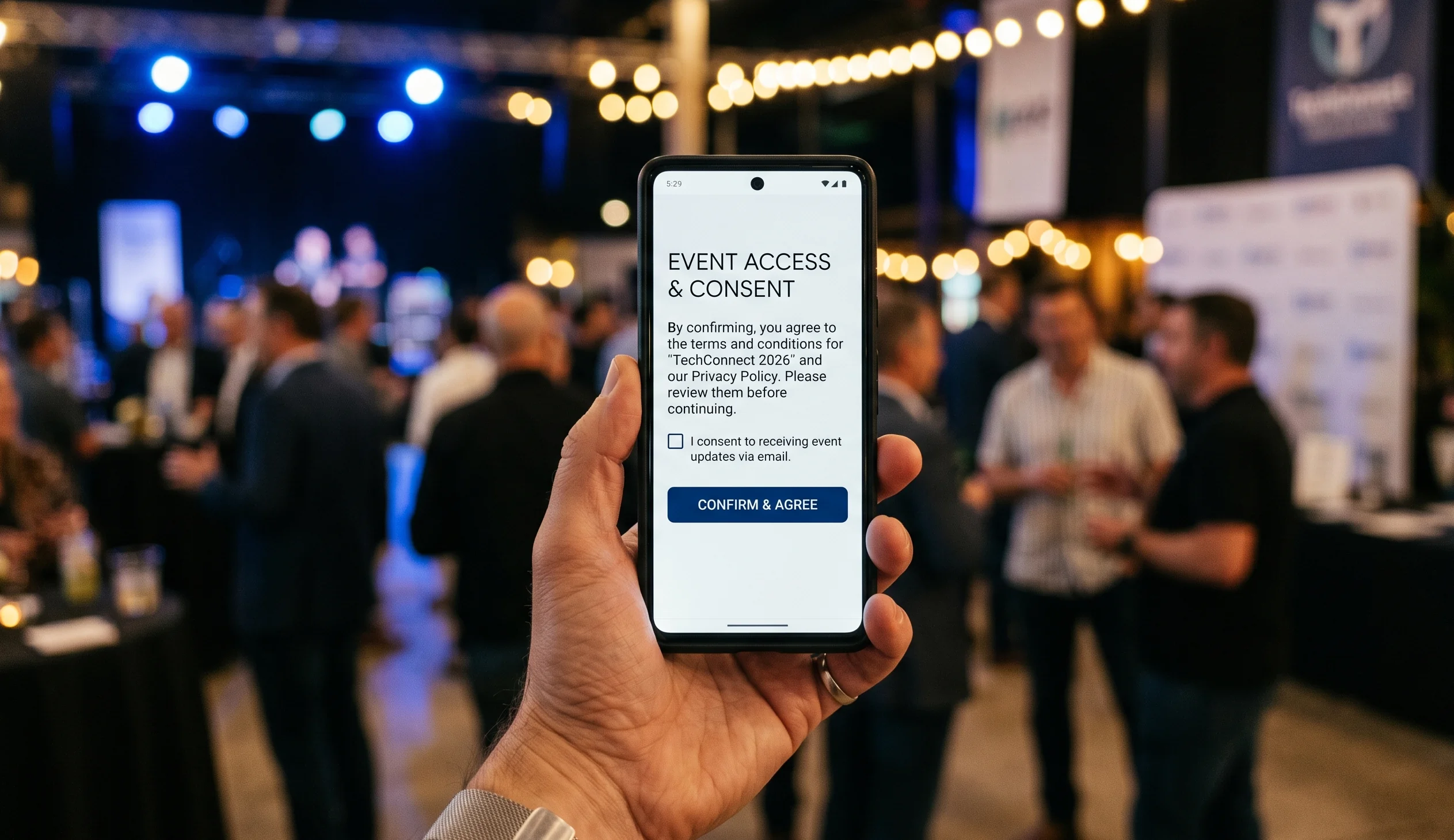
Proper consent management isn't optional. You need clear terms, easy opt-in processes, and systems that track who agreed to what. Get this wrong and you're looking at legal problems.
The workflow should be:
- Attendee agrees to terms when joining your platform
- System tracks consent for each video uploaded
- Only approved content with proper rights gets published
- Creators get credited appropriately
Distribution Strategies That Actually Work
Getting real time videos doesn't help if nobody sees them. Your distribution strategy needs to match the speed of your content creation.
Native uploads beat links. Don't just share a link to your event page. Upload the video directly to each social platform. The algorithms favour native content, and you'll get more reach.
Timing matters more than ever. Post content whilst the event is happening and in the immediate hours after. That's when engagement peaks. Waiting until the next day cuts your reach in half.
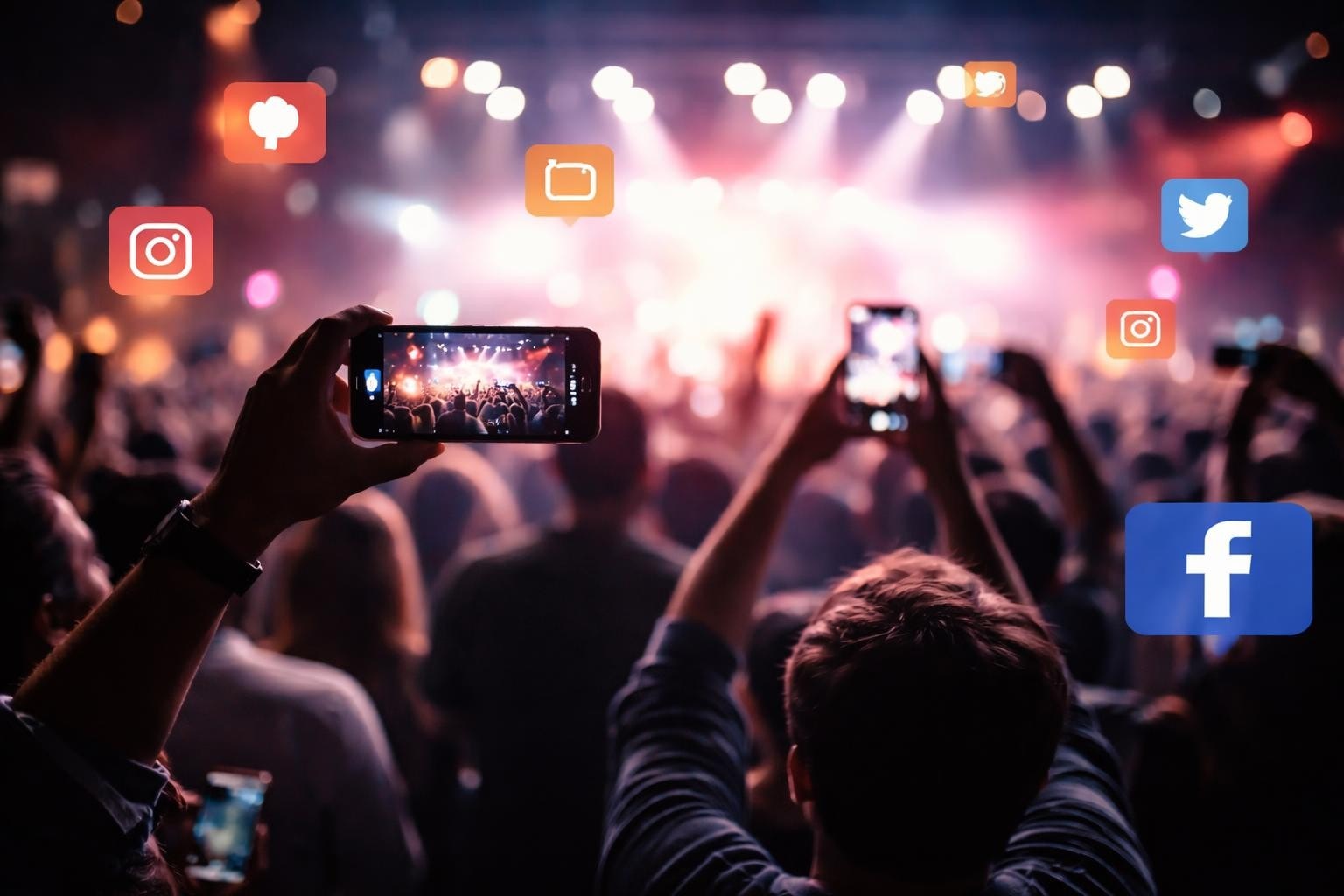
Let creators share too. When attendees can easily share the content they filmed, it spreads across their networks organically. That's earned media you couldn't buy.
The best UGC platforms make distribution automatic. You approve a clip, and it goes out everywhere at once. No manual uploading to six different platforms.
Quality Control Without Killing Speed
Here's the tension: you need quality content, but you also need it fast. How do you maintain standards without creating bottlenecks?
Smart curation helps. Systems can flag videos based on:
- Visual quality: Brightness, stability, focus
- Audio clarity: Background noise levels, speech intelligibility
- Engagement potential: Action, movement, crowd reaction
- Brand safety: Inappropriate content, competitor logos
But tools make mistakes. You still need human oversight for final decisions. The trick is using smart curation to reduce your review queue from 500 videos to 50.
Building Review Teams
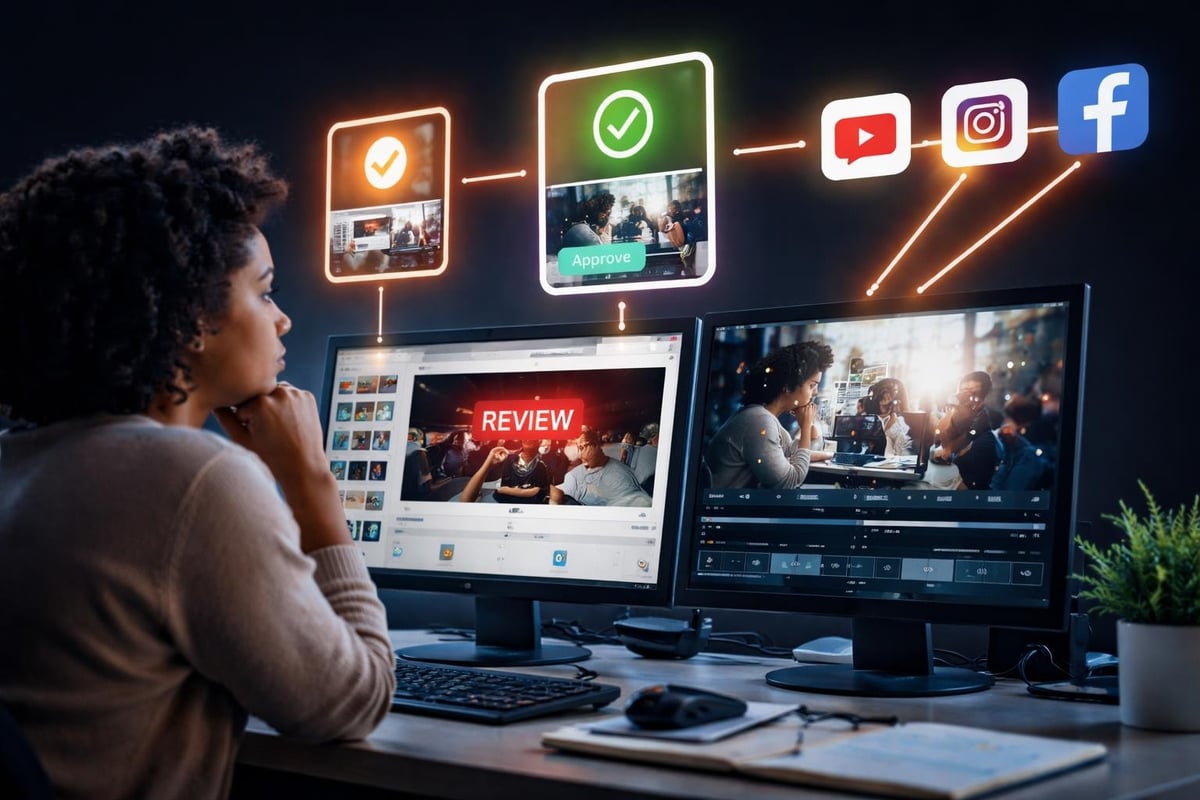
Someone needs to approve content before it goes live. At small events, that might be one person with a phone. At larger events, you need a team.
| Team Size | Event Capacity | Review Volume | Response Time |
|---|---|---|---|
| 1 person | Under 200 | 20-50 videos | 15-30 minutes |
| 2-3 people | 200-1,000 | 50-200 videos | 10-20 minutes |
| 4+ people | 1,000+ | 200+ videos | 5-15 minutes |
Train your team on brand guidelines before the event. They need to make fast decisions that align with your standards. Hesitation kills the real time advantage.
Cost Reality Check
Professional videography for a medium-sized event runs £3,000-£10,000. You get a highlight reel three weeks later. Maybe some social clips if you're lucky.
Real time videos flip this model. Your attendees provide the cameras and labour for free. You spend money on the platform and curation instead. Total cost: £500-£2,000 for most events.
The ROI is clearer too. Traditional video gives you one piece of content. Real time approaches give you dozens or hundreds of authentic clips that spread across social networks organically.
What You Actually Pay For
- Platform subscription or per-event licensing
- WiFi infrastructure (if your venue doesn't have it)
- Curation team time during the event
- Storage and bandwidth for video hosting
Most of these are variable costs that scale with your event size. You're not locked into fixed rates regardless of attendee count.
Making It Work for Different Event Types
Not all events need the same approach to real time videos. What works at a music festival doesn't translate to a corporate conference.
Music festivals and concerts thrive on crowd energy. Real time videos from attendees capture the atmosphere better than any official camera. Focus on giving clear filming prompts and making sharing effortless.
Corporate events and conferences need tighter quality control. You can't have attendees filming confidential presentations. Use real time videos for networking moments, keynote reactions, and exhibition floor energy instead.
Sports events benefit from multiple angles and perspectives. Fan-filmed content adds context to official broadcasts. The challenge is processing volume when you've got thousands of people filming simultaneously.
The video content creation approach needs to match your event type and audience expectations.
Common Mistakes That Kill Real Time Video Programs
You'll mess this up the first time. Everyone does. Here's what usually goes wrong:
Terrible WiFi infrastructure. You need more capacity than you think. Test it with 50 people uploading simultaneously, not just browsing.
Vague instructions to attendees. "Film cool stuff" doesn't work. Give specific prompts: "Capture your reaction when the winner is announced" or "Show us what you're eating at the food trucks."
No curation resources. Collecting 300 videos helps nobody if you can't review them. Budget for curation time and tools.
Ignoring consent. Not getting proper permissions is asking for legal trouble. Use platforms with built-in consent management from day one.
Forgetting to promote it. Attendees can't participate if they don't know about it. Promote your video program before, during, and after the event.
The Content Library Advantage
Here's something most people miss: real time videos don't just work during your event. They build a content library you can use for months.
Those authentic moments become promotional material for next year's event. They're testimonials showing real attendees having genuine experiences. They're social proof that's more valuable than any marketing copy you could write.
Smart event organisers treat real time videos as assets, not just immediate content. Tag them properly, store them accessibly, and repurpose them strategically. The best content curation tools make this automatic.
What's Actually Changing in 2026
The technology keeps improving, but the fundamentals stay the same. Faster processing, better smart curation, easier workflows - but the core value remains authentic content captured in the moment.
What is changing: audience expectations. People expect to see real time content from events. If you're not providing it, they wonder why. It's becoming table stakes, not a competitive advantage.
The platforms are getting better too. Systems like SureShot have refined the workflow to the point where it just works. Upload, curate, publish - all within minutes.
Mobile devices keep improving, which means better quality from attendee-filmed content. The gap between professional cameras and phones keeps shrinking. For social media content, it's basically disappeared.
Real time videos work because they're authentic, immediate, and created by the people who matter most - your attendees. They reduce production costs whilst increasing content volume and reach. If you're running events and not using real time videos yet, you're leaving organic reach and authentic content on the table. SureShot helps event organisers turn attendees into content creators, handling everything from capture to curation to distribution whilst the moment still matters.