Scan QR to download the appClose icon

April 5, 2026

Danish Music Festival Scene: Real Content from Real Fans

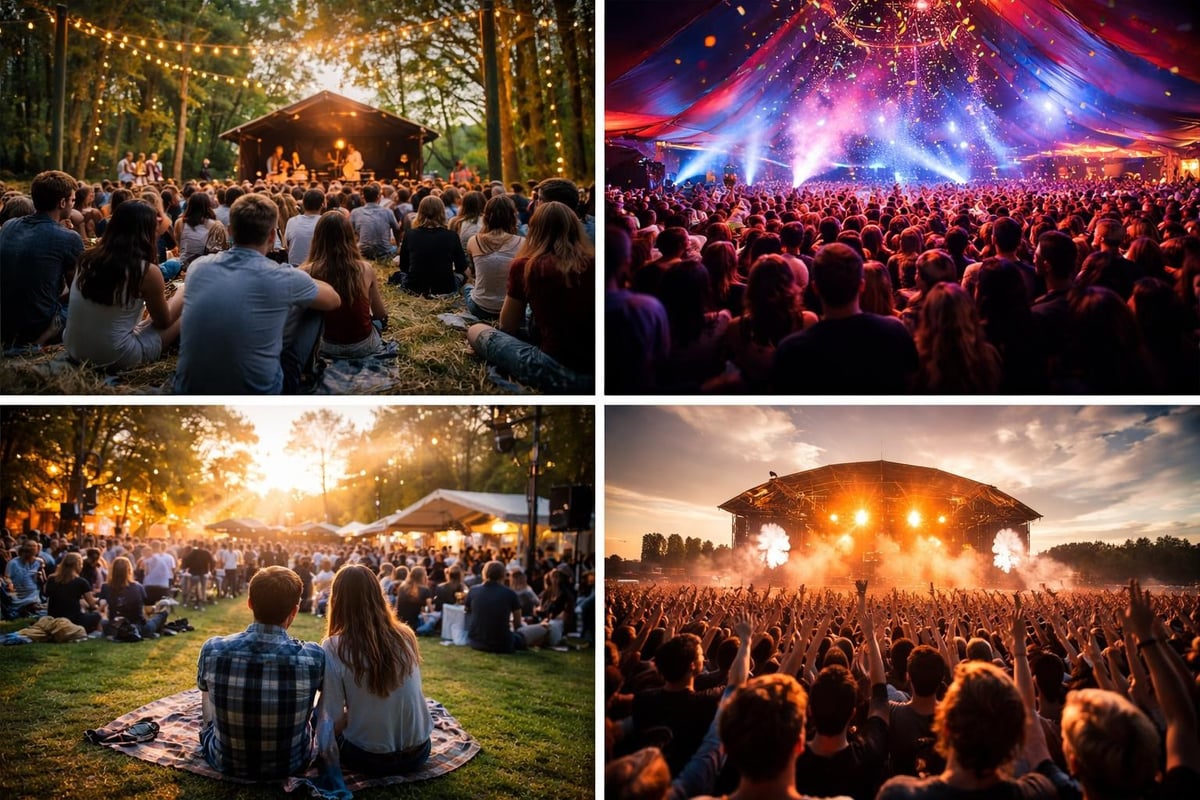
Denmark punches above its weight in the festival game. For a country of six million people, it hosts some of Europe's biggest music events. But here's what matters: these festivals have figured out something most event organisers are still learning. The best content doesn't come from your production team. It comes from the people actually there, phones in hand, capturing what they actually care about. That's not marketing speak-it's just how social media works now.

Why Danish Festivals Get User Content Right

The Roskilde Festival attracts over 130,000 people annually. That's 130,000 potential content creators, each with their own perspective, their own favourite moments, their own audiences. Most festivals see that as chaos to control. Smart ones see it as the entire point.

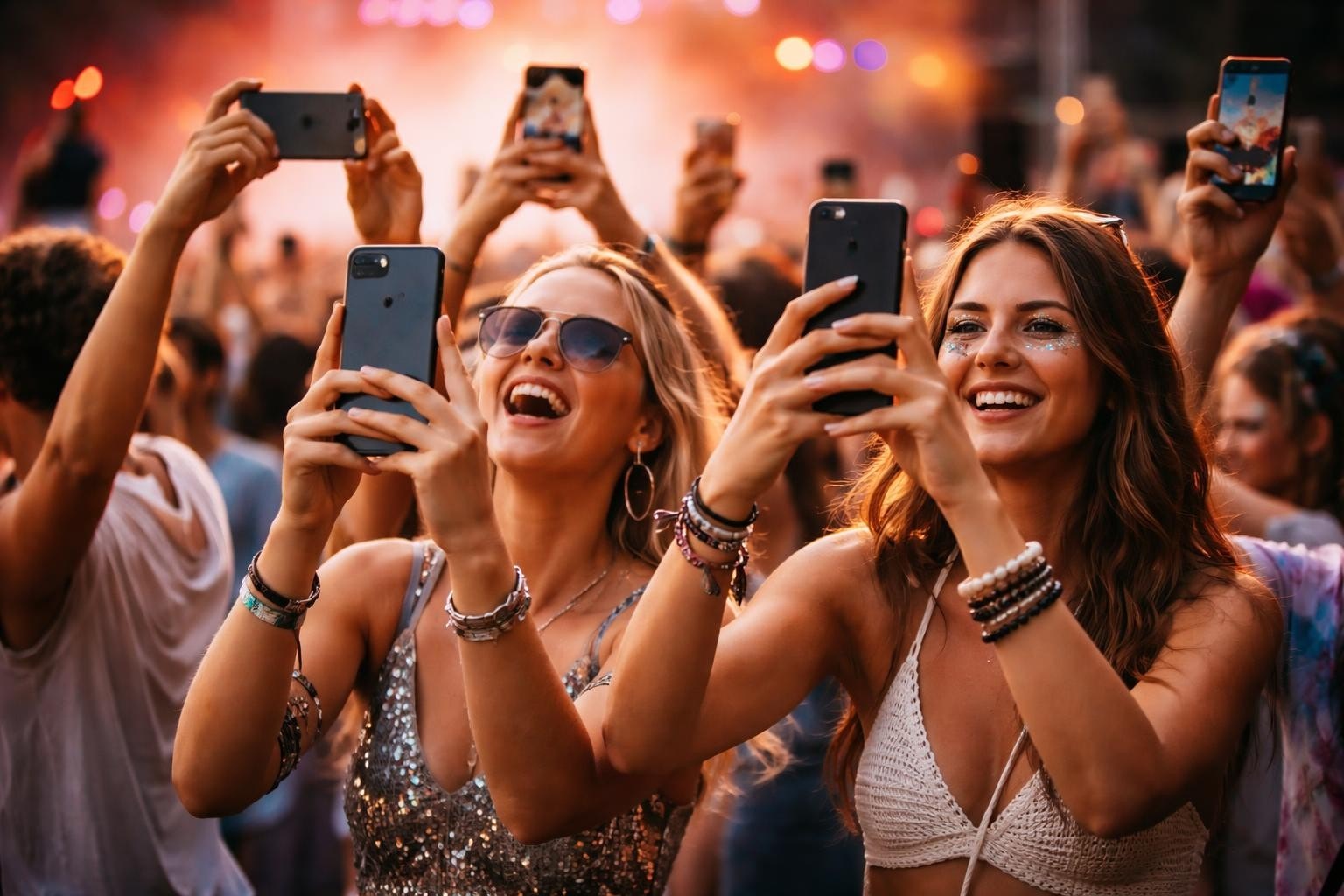
When attendees share footage, they're not creating promotional content. They're sharing genuine reactions. A mate screaming along to their favourite track. The moment the bass dropped. The sunset during that one song. This stuff performs because it's real, and everyone's algorithm can smell the difference between real and rehearsed.

The Numbers Don't Lie

Here's what actually happens when you let attendees create content:

  • Organic reach increases because people share to their actual networks, not branded channels
  • Production costs drop because you're not hiring crews to capture every angle
  • Authenticity improves because no director is telling anyone how to feel
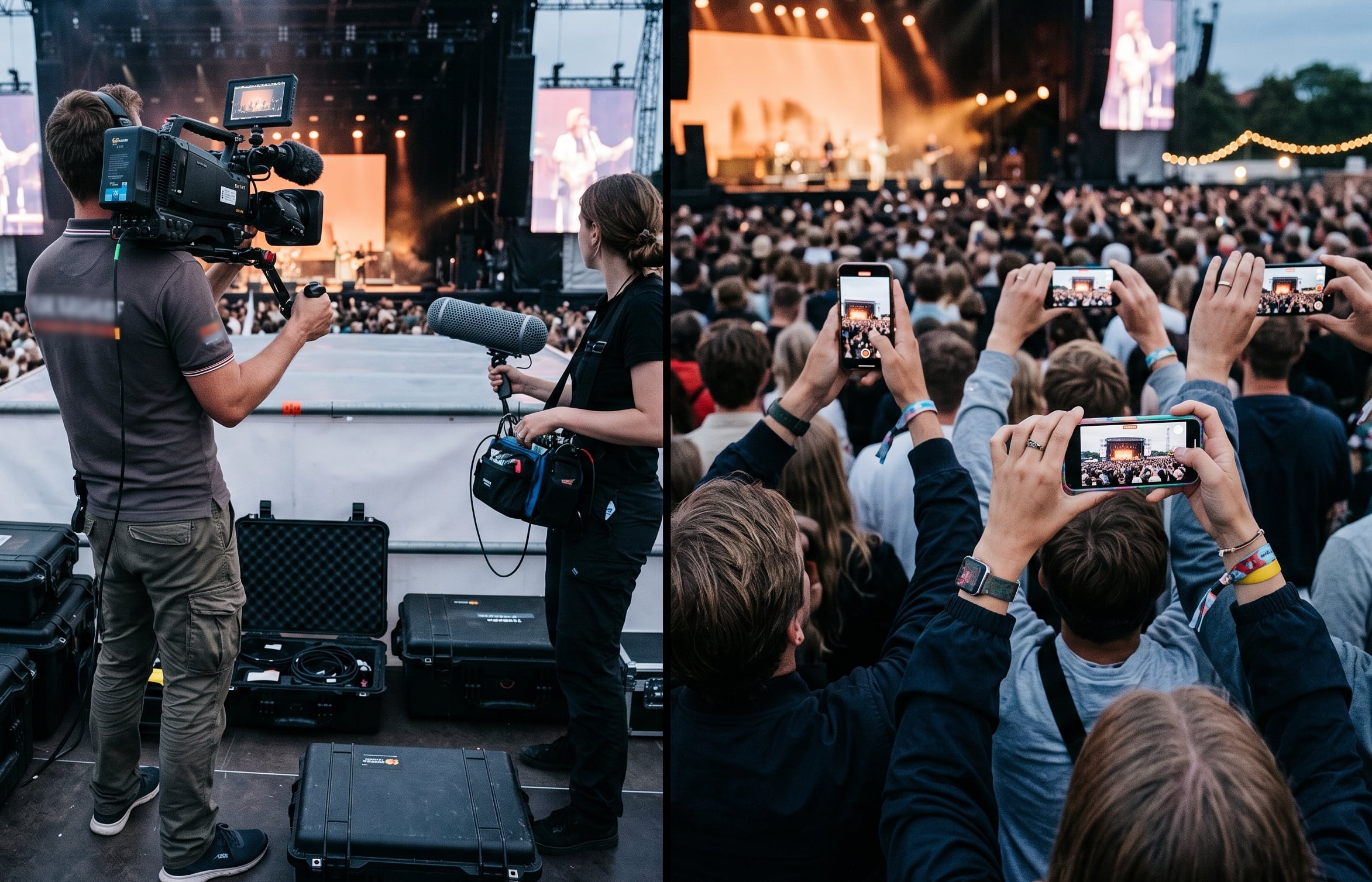
  • Volume increases exponentially-one crew vs thousands of phones

A single danish music festival weekend generates thousands of video clips. Most of that footage disappears into camera rolls. The smart play is making it easy for people to share it, then curating the best bits into something useful.

What Makes Denmark's Festival Scene Different

Denmark has this thing about music festivals that other countries haven't quite figured out. It's not just about booking big names. The Copenhagen Jazz Festival and smaller events like Tønder Festival focus on creating moments people want to document.

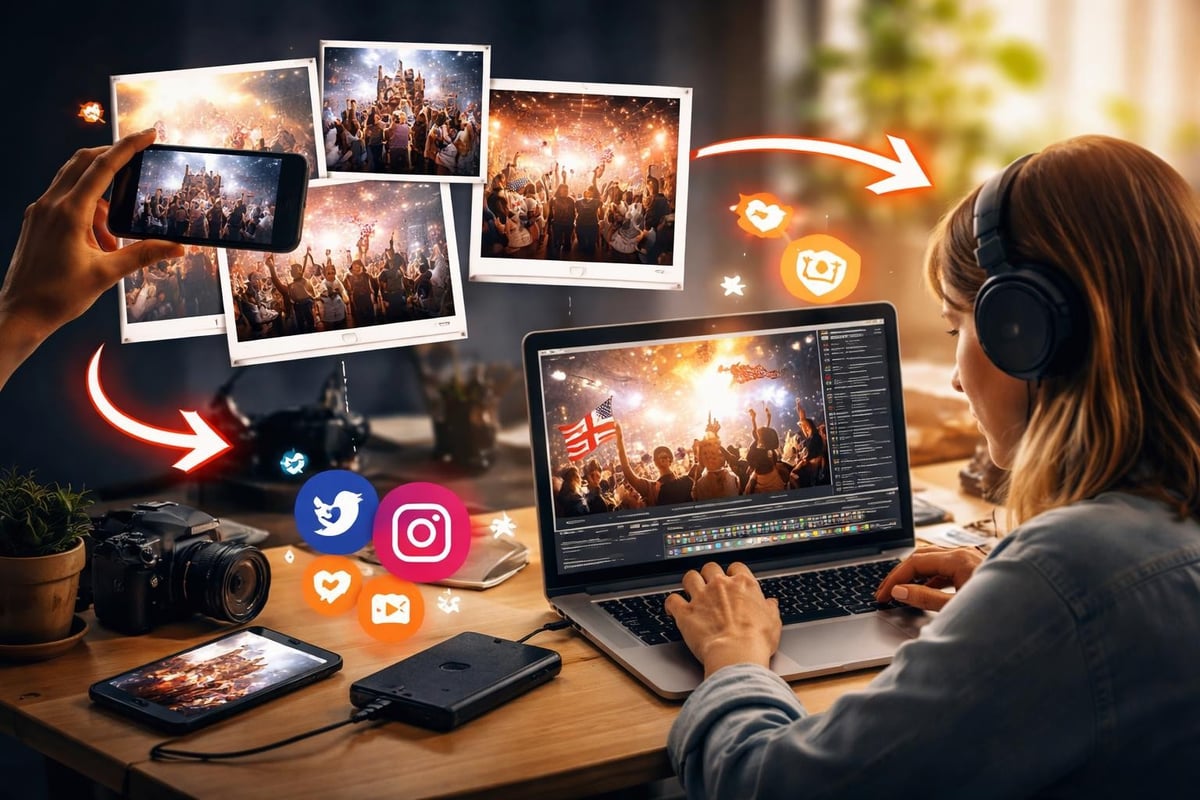
Danish festival ecosystem

The difference between a danish music festival and most other events? Danes actually want to be there. Sounds obvious, but think about it. When people genuinely care about an experience, they document it differently. Not for the 'gram. For themselves. That's the content that actually works.

Festival Types and Content Styles

Festival Type Content Characteristics Sharing Behaviour
Large multi-genre (Roskilde, Smukfest) Wide variety, crowd reactions, artist moments High volume, diverse audiences
Jazz and classical (Copenhagen Jazz, Tivoli) Intimate performances, musicianship focus Older demographic, quality over quantity
Folk and roots (Tønder) Acoustic moments, storyteller content Niche but engaged communities
Emerging talent (SPOT) Discovery moments, artist interactions Music industry focus, tastemaker appeal

The SPOT Festival in Aarhus showcases new Scandinavian talent. Different vibe, different content. But the principle holds: attendees capture what matters to them, which is exactly what their audiences want to see.

The Production Cost Reality

Let's talk money. A professional video crew at a multi-day festival costs what, exactly? Camera operators, equipment, editors, licensing, deliverables. You're looking at £15,000 minimum for decent coverage. Maybe £30,000 if you want it done properly.

Now consider this: your attendees are already filming. They've already paid for their equipment (phones have better cameras than broadcast rigs did ten years ago). They're already invested in getting good shots because it's their content, their memories, their followers.

The question isn't whether to use attendee footage. It's whether you're making it easy or hard for them to share it with you.

What You Actually Need

  1. A way for people to submit footage without jumping through hoops
  2. Rights management that doesn't require a law degree
  3. Curation tools that help you find the good stuff quickly
  4. Publishing workflows that get content out while people still care

Content curation tools handle the technical bits. You handle the creative decisions. That's the division of labour that actually scales.

How Smukfest Uses Its Forest Setting

Smukfest happens in a beech forest in Skanderborg. It's beautiful. It's also impossible to capture properly with traditional production. Too many angles, too much happening simultaneously, too much atmosphere that only makes sense if you're actually there.

Attendee footage solves this. Someone captures the light filtering through trees during an afternoon set. Someone else films their group setting up camp. Another person gets the crowd sing-along that happened spontaneously after the headliner finished. You couldn't script this stuff. You definitely couldn't afford to station cameras everywhere it might happen.

The forest setting creates natural content opportunities. People want to share it because it looks different from every other festival. That's the kind of user-generated content that actually moves the needle.

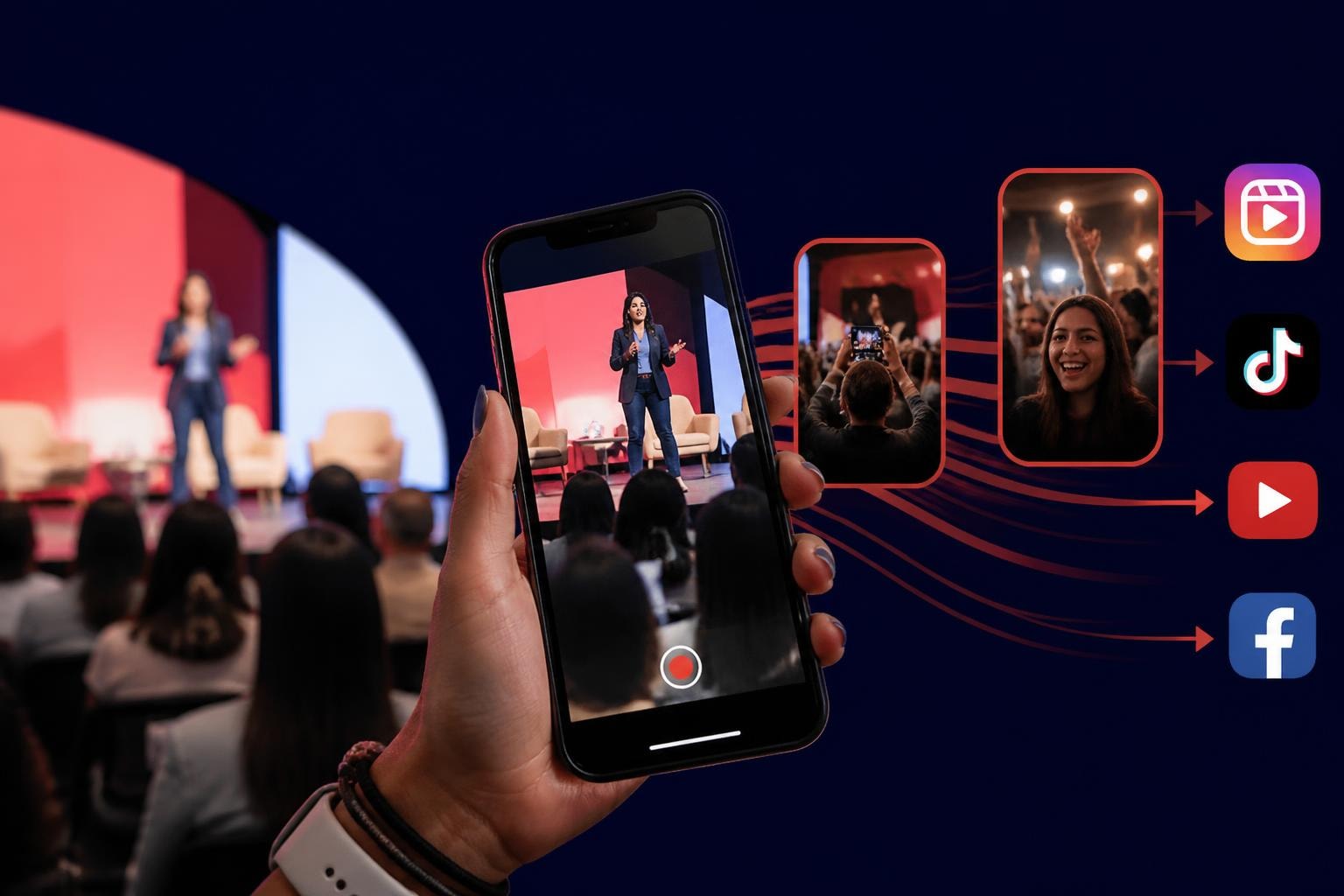
Festival content workflow

Rights Management Without the Headache

Here's where most festivals mess up: they either ignore rights entirely (risky) or make the submission process so complicated that nobody bothers (pointless).

You need something in between. Clear terms. Simple submission. Automatic rights granted when people opt in. Consent management platforms exist specifically for this, and they're worth using properly.

The Three-Step Rights Process

  1. Attendee opts in when submitting content (simple checkbox, clear language)
  2. Platform handles the legal bits automatically in the background
  3. You can use the content without chasing down paperwork later

This isn't complicated. It just needs to happen before you start collecting footage, not after.

What Works at Different Festival Sizes

The biggest Danish music festivals have different needs than smaller events. Scale changes everything about how you handle content.

Large festivals (50,000+ attendees):

  • Volume is the challenge and the opportunity
  • You'll get thousands of submissions
  • AI-assisted curation becomes necessary, not optional
  • Focus on automating the workflow early

Medium festivals (10,000-50,000):

  • Sweet spot for manual curation with tool assistance
  • Enough content to matter, not so much you're drowning
  • Relationships with regular attendees who become content partners

Small festivals (under 10,000):

  • Every submission matters
  • Personal touch works here
  • Community building through content sharing

The Vig Festival, running since 1995, sits in that medium category. Small enough to maintain character, large enough to generate meaningful content volume.

Genre Matters More Than You'd Think

A danish music festival focusing on classical music (Tivoli Festival) creates different content than a rock festival. Obvious, sure. But it affects your entire strategy.

Classical and jazz crowds film differently. Longer takes. Less crowd footage. More focus on the actual performance. Electronic and rock festivals? Everything's about the energy, the crowd, the moment.

Genre Typical Content Best Platforms Editing Style
Classical/Jazz Performance focus, musicianship YouTube, Facebook Longer clips, audio quality priority
Rock/Pop Crowd energy, sing-alongs Instagram, TikTok Quick cuts, energy-focused
Electronic Light shows, drops, crowd reactions Instagram Reels, TikTok Beat-matched, visual-heavy
Folk/Acoustic Intimate moments, lyrics YouTube, Instagram Story-focused, authentic feel

Your curation strategy needs to match the content type. A three-second clip works for electronic music. For folk, maybe you need thirty seconds to capture the moment.

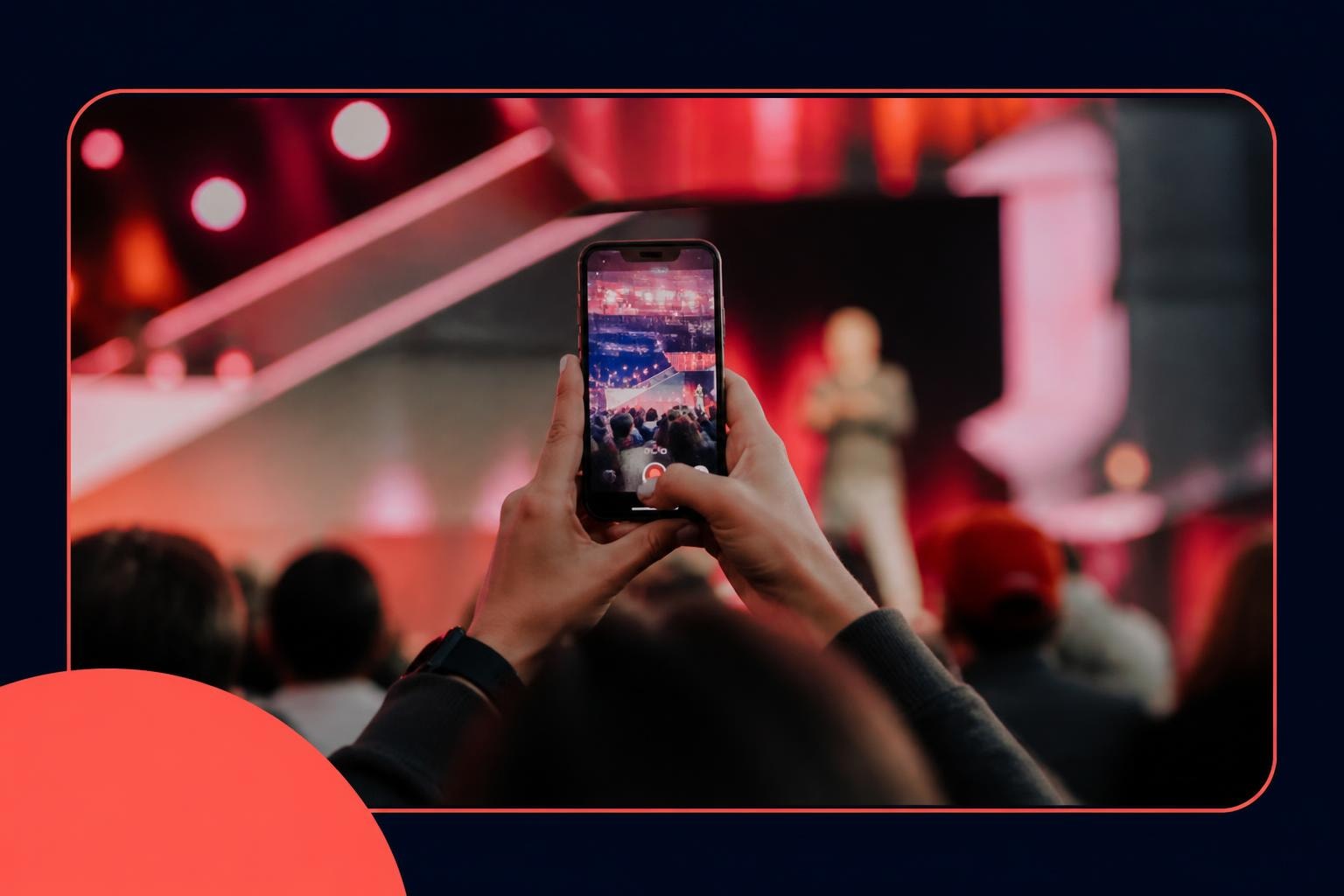
Genre-specific content strategies

The Social Media Multiplication Effect

One good clip from a danish music festival does more marketing than your entire pre-event campaign. Why? Because it's proof the event actually delivers.

When attendees share footage, they're telling their networks: "This is worth your time and money." That's earned media. That's the stuff you can't buy, which is exactly why it works.

The multiplication happens in the shares. Someone posts a clip. Their friends share it. Those friends' friends see it. Algorithms reward genuine engagement, so authentic festival footage spreads further than produced content.

What Actually Gets Shared

  • Unexpected moments: The surprise guest, the crowd singing happy birthday to someone
  • Peak experiences: The drop, the chorus, the lightshow that actually delivered
  • Funny stuff: The mate who fell over, the costume that was perfectly wrong
  • Beautiful shots: Sunset during the right song, that one perfect camera angle

You can't predict which clips will hit. You can just make sure you're collecting enough footage that something will.

Technical Stuff That Actually Matters

Most festivals overthink the technology. You don't need custom apps. You need something that works on the phones people already have, submits footage easily, and doesn't require a tutorial.

The technical requirements are simpler than you'd think:

  • Mobile-first submission because nobody's uploading from their laptop
  • Decent compression so uploads don't fail on festival Wi-Fi
  • Basic editing tools for attendees who want to trim their clips
  • Simple rights flow that happens automatically

Creating short-form video content from longer festival footage is where most of the value lives anyway. People don't watch five-minute festival recap videos anymore. They watch 30-second clips that make them wish they'd been there.

What Happens After the Festival

Most events mess this up completely. They collect content during the festival, then... nothing. It sits there. Maybe it gets used once. Maybe never.

The content from a danish music festival has a shelf life, but it's longer than you think. Year-round content opportunities include:

  • Throwback posts that build anticipation for next year
  • Artist announcement content using footage from previous performances
  • Attendee testimonials that work better than any promotional copy
  • Behind-the-scenes moments that weren't relevant during the event

Your content curation strategy needs a 12-month view, not a three-day view.

The Return Investment Nobody Talks About

You're paying for content production one way or another. Either you're hiring crews and editors, or you're investing in platforms and processes that leverage attendee footage.

The math is straightforward:

Traditional production:

  • High upfront costs
  • Limited angles and coverage
  • Professional quality but less authentic
  • Finished content you own outright

Attendee-generated approach:

  • Lower platform costs
  • Unlimited angles and moments
  • Authentic but variable quality
  • Massive volume to work with

The ROI isn't just in cost savings. It's in the content that actually gets shared, the organic reach you couldn't buy, the authenticity that resonates because it's real.

Denmark's Festival Calendar and Content Planning

Denmark's festival season runs roughly May through August. That's your content collection window. But your content calendar should run all year.

Smart planning means:

  • Pre-festival: Use last year's attendee footage to build excitement
  • During festival: Collect and curate in real-time for social momentum
  • Post-festival: Package the best moments for ongoing marketing
  • Off-season: Drip-feed content to maintain engagement

The festivals that do this well treat attendee content as an asset, not an afterthought. They plan for it, budget for it, and execute on it systematically.

Quality Control Without Killing Authenticity

Here's the balance: you want good content, but if you're too picky, you lose what makes attendee footage valuable in the first place.

Some footage will be shaky. Some will have terrible audio. Some will be vertical when you wanted horizontal. That's fine. Perfect production value isn't the point. The moment is the point.

Your curation process should filter for:

  1. Does it capture a genuine moment?
  2. Is it watchable (basic technical threshold)?
  3. Does it tell part of your story?

Everything else is negotiable. A slightly shaky clip of an amazing crowd moment beats perfectly stable footage of nothing interesting.


Danish music festivals prove something the rest of the industry is slowly learning: the best content creators at your event already bought tickets. They're not on your payroll, but they're invested in capturing great moments because those moments matter to them. The festivals that win are the ones making it easy for attendees to share that content, then actually using it. SureShot handles the platform side-collecting footage, managing rights, and curating content-so you can focus on what actually matters: putting on an event worth filming in the first place.