
You've probably scrolled past dozens of content clips today without thinking twice about it. That fifteen-second festival highlight. The thirty-second conference moment. The quick-hit behind-the-scenes peek at a product launch. They're everywhere because they work. More importantly, they're how people actually consume content in 2026. The question isn't whether you should be using content clips, it's whether you're creating them the smart way or wasting time on the wrong approach.
What Makes Content Clips Different
Content clips aren't just short videos. They're purpose-built segments designed to capture attention, deliver value, and spread naturally. The key difference? They're extracted from real moments, not manufactured for the camera.
Think about the last event you attended. Someone definitely filmed it. Probably dozens of people. That's raw material sitting in camera rolls, doing nothing. Meanwhile, event organizers are paying production companies thousands to recreate those same authentic moments with professional crews.
Here's what actually defines a good content clip:
- It stands alone without context
- It delivers one clear message or moment
- It feels authentic, not staged
- It's optimized for the platform where it'll live
- It makes people want to share it
The format matters less than the authenticity. A shaky phone video of a genuine reaction beats a polished studio shot of a forced smile. Every time.
Why Events Need This Format
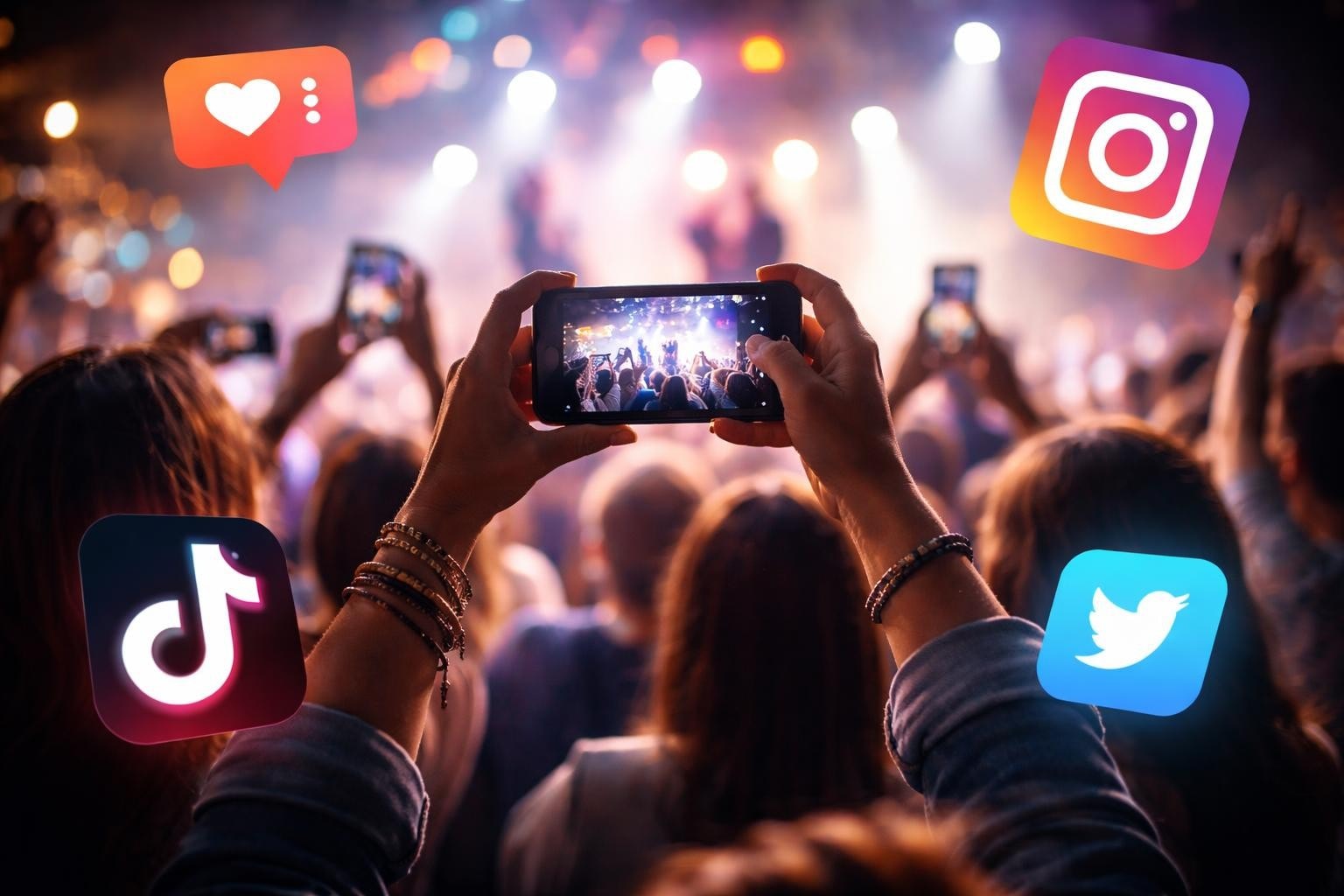
Events generate content naturally. People film. They share. They tag. But most of that value disappears into the void because nobody's capturing it systematically. User-generated video content solves a fundamental problem: how do you bottle authentic moments at scale?
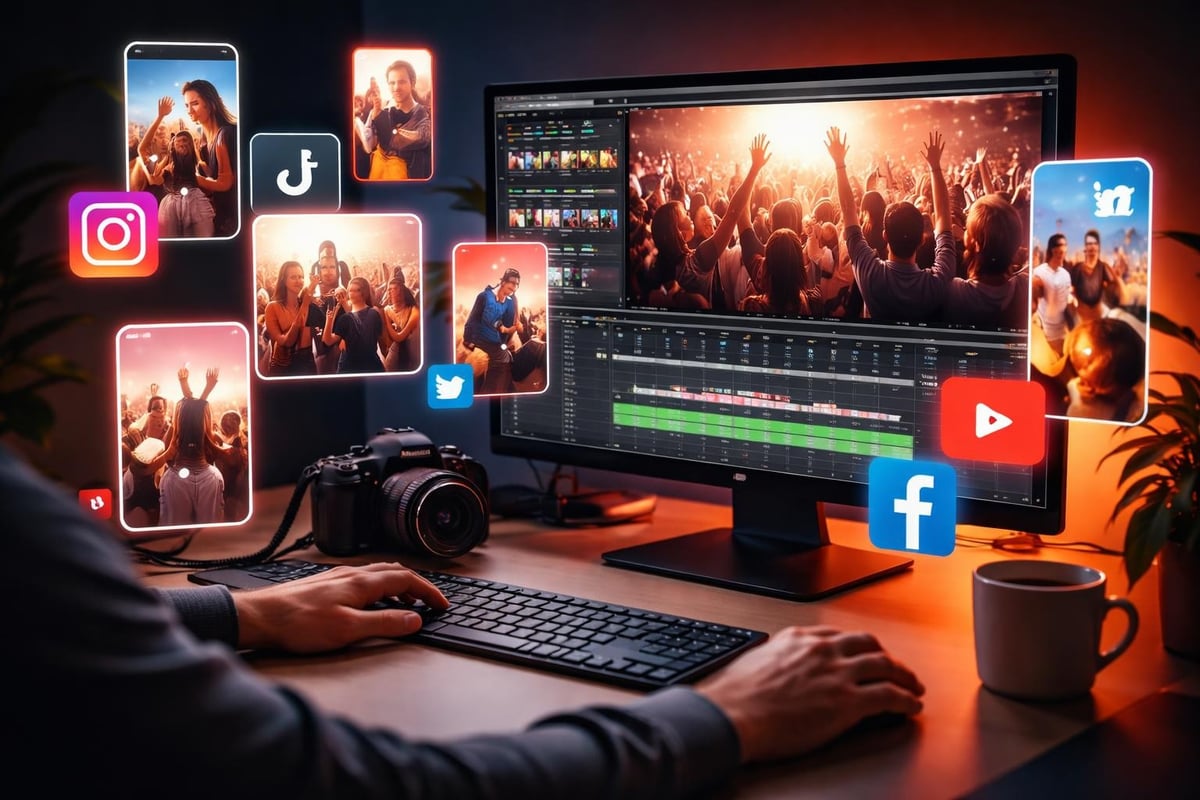
Traditional event marketing relies on a small crew filming a small number of moments. You get maybe twenty usable clips from a weekend festival. Meanwhile, five hundred attendees filmed five thousand moments. The math doesn't work in your favour when you ignore that ratio.
The Distribution Advantage
Content clips from real attendees spread differently than official content. When someone shares their own clip, their network sees it as a recommendation, not an advertisement. That's earned media working for you instead of against you.
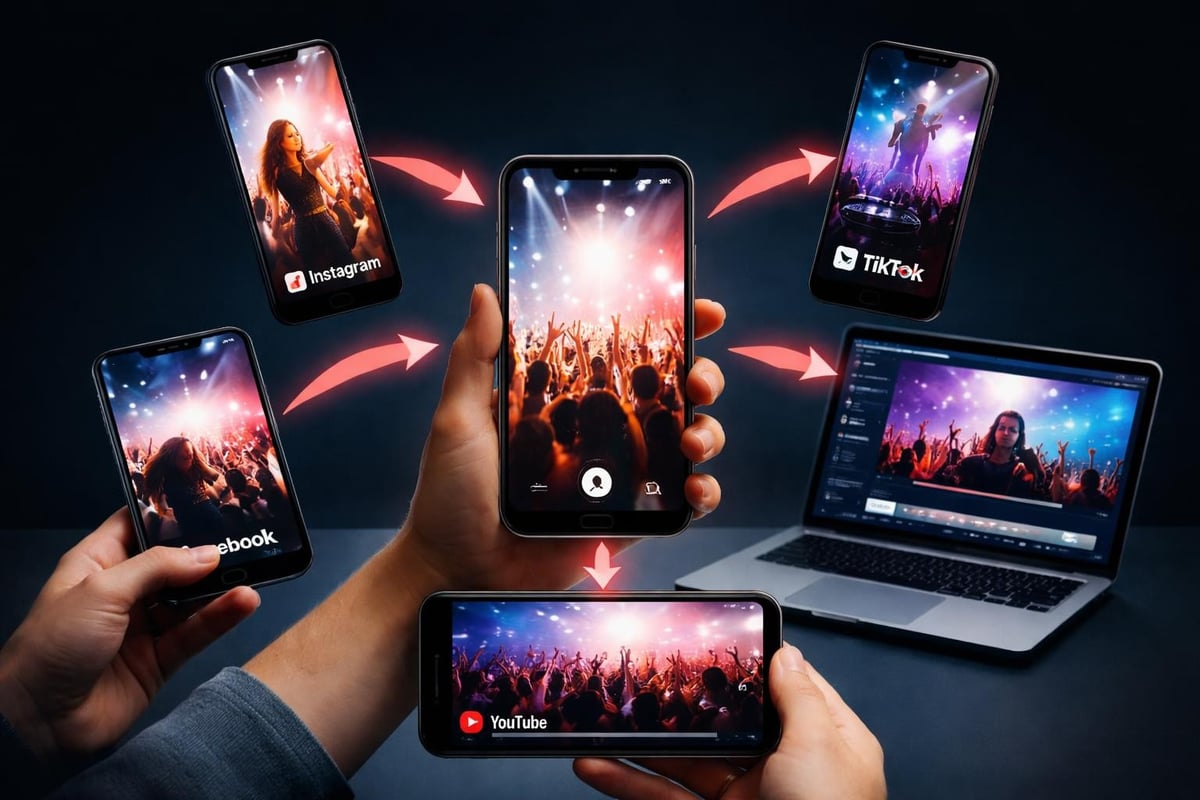
According to best practices for video marketing, repurposing content into platform-specific clips maximizes reach without multiplying production costs. One authentic moment becomes five different clips for five different platforms.
| Platform | Ideal Length | Format Preference | Engagement Priority |
|---|---|---|---|
| Instagram Reels | 15-30 seconds | Vertical 9:16 | Quick hook, music |
| TikTok | 15-60 seconds | Vertical 9:16 | Trend-focused |
| 30-90 seconds | Square or vertical | Story-driven | |
| 30-120 seconds | Square 1:1 | Professional context | |
| YouTube Shorts | 15-60 seconds | Vertical 9:16 | Value-packed |
Each platform rewards different approaches, but they all favour authentic content over polished production. Your attendees already know this. They're filming in the formats that work.
Capturing Without Killing the Vibe
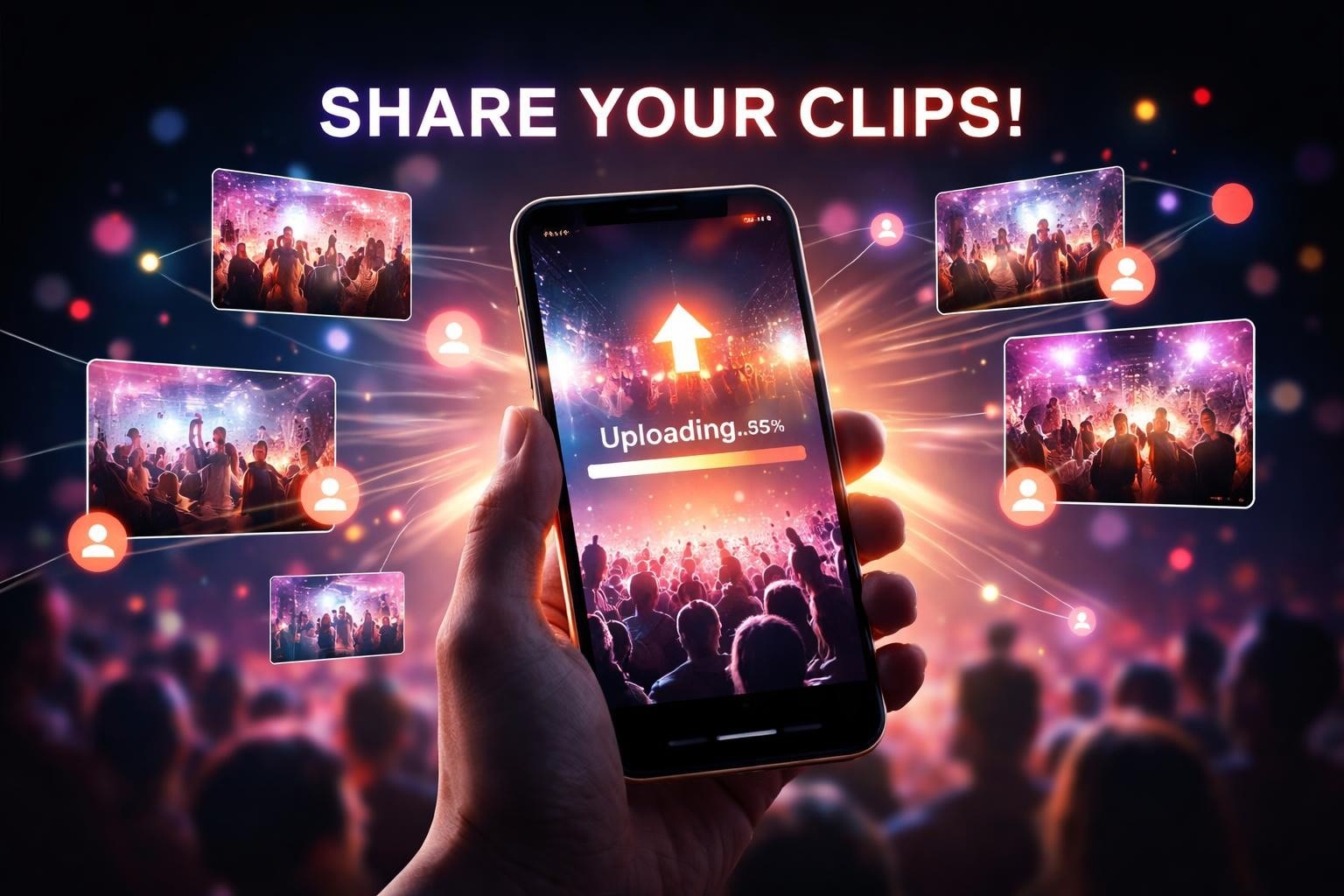
The biggest mistake with content clips? Making content creation feel like work for your attendees. If people feel like they're doing your marketing for you, they'll stop participating. It needs to feel natural.
This is where crowdsourced event video changes the game. Instead of asking people to film specific things, you create an environment where they want to capture moments anyway, then give them an easy way to share those moments with you.
What works:
- Make submission effortless (one-tap upload)
- Show people their content being used in real-time
- Celebrate contributors publicly
- Never make it mandatory
- Provide clear guidance without being prescriptive
People film events constantly. Your job is to make it easy for them to send those clips your way instead of letting them sit in camera rolls forever.
The Consent Question
You can't just grab footage from social media and call it yours. Proper content licensing matters, both legally and ethically. When attendees submit through your platform, they're explicitly granting you rights. When you screenshot someone's Instagram story, you're asking for trouble.
Build consent into the process from the start. Make it clear what you'll do with submitted content. Give people control over how their footage gets used. It's not complicated, but it's non-negotiable.
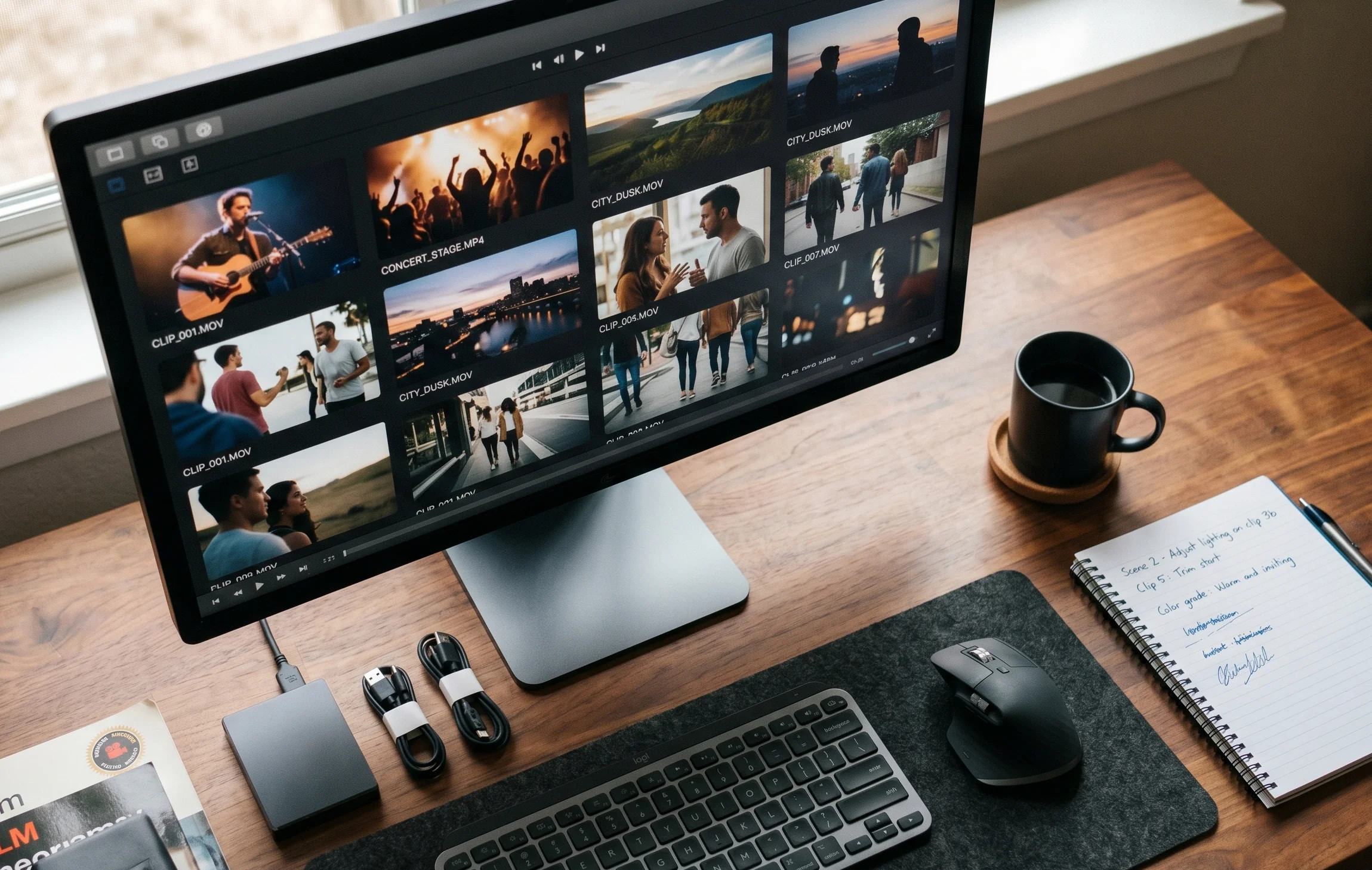
Editing for Impact
Raw footage isn't ready for distribution. Even authentic moments need editing. The difference is you're enhancing what's already there, not trying to create something from nothing.
Content curation best practices focus on identifying the moments worth amplifying. Not every clip deserves distribution. Your job is finding the ones that do and making them shine.
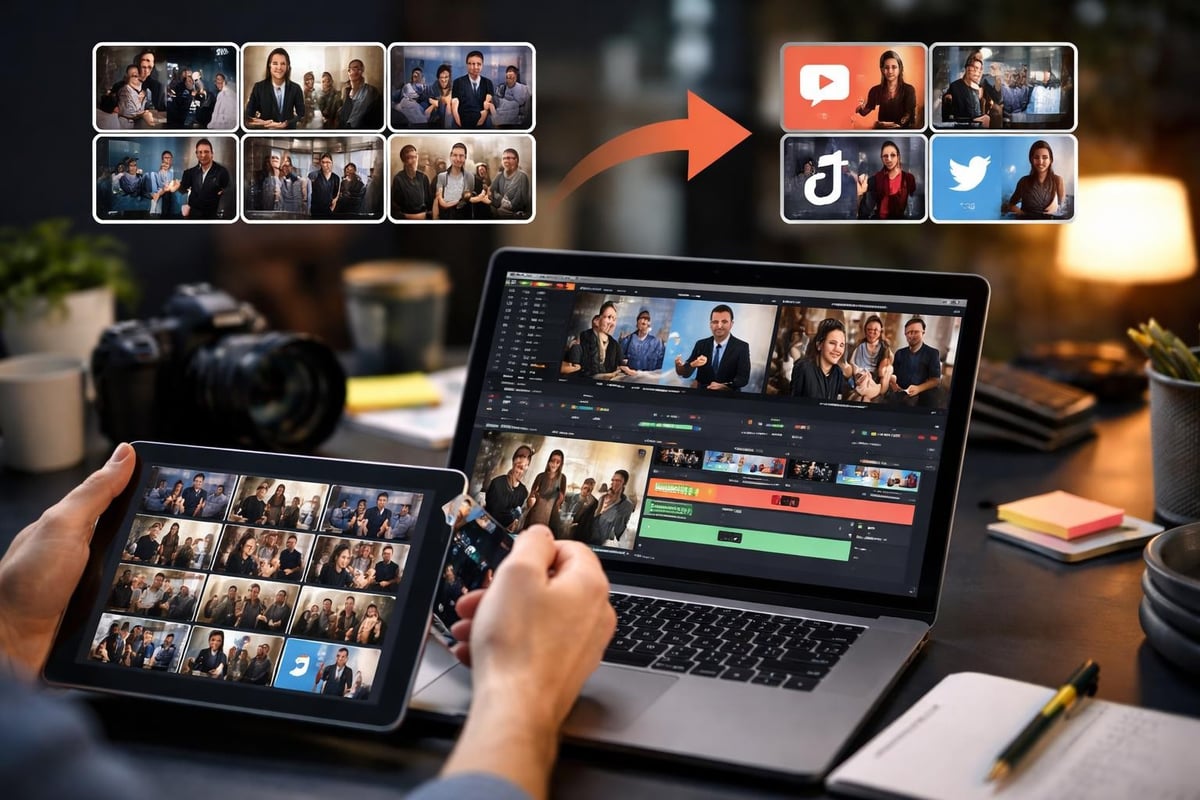
Quick editing checklist:
- Trim dead space at start and end
- Add captions (80% watch without sound)
- Stabilize shaky footage if needed
- Adjust audio levels for consistency
- Include branding without overwhelming the moment
- Optimize aspect ratio for target platform
The goal isn't perfection. It's clarity. Can someone scrolling quickly understand what's happening and why it matters? If yes, you're done. If no, keep trimming.
Tools That Actually Help
You don't need professional editing software for content clips. You need tools built for speed and volume. When you're processing dozens of clips from a single event, workflow efficiency matters more than advanced features.
AI-powered tools can help identify key moments and automate event video curation, but they shouldn't replace human judgment entirely. Use them to surface candidates, not make final decisions. The best approach combines AI efficiency with human taste.
Carnegie Mellon's research on YouTube content best practices emphasizes the importance of titles, descriptions, and thumbnails. These matter just as much for short clips as they do for long-form content. Maybe more, because you've got less time to hook attention.
Distribution Strategy
Creating clips is half the battle. Getting them seen is the other half. Most event organizers create content and then wonder why it doesn't spread. The answer is usually: because they didn't plan for distribution.
Platform-specific distribution matrix:
| Timing | Platform | Content Type | Posting Frequency |
|---|---|---|---|
| During event | Instagram Stories | Real-time moments | Every 2-3 hours |
| During event | TikTok | Trend-based clips | 2-3 daily |
| Post-event | Instagram Reels | Curated highlights | 1-2 daily for week |
| Post-event | Professional moments | 2-3 weekly | |
| Post-event | YouTube Shorts | Value-focused | 3-5 weekly |
Timing matters. Real-time clips create FOMO. Post-event clips extend the lifecycle. Both have value, but they serve different purposes. During your event, focus on immediacy. After, focus on storytelling.
The Algorithm Game
Platforms reward engagement, not quality. A shaky clip that gets shares beats a polished clip that gets polite likes. This is frustrating if you're precious about production value, but liberating if you're focused on authenticity.
According to strategies for adapting long-form content into short engaging clips, audiences prefer concise media that respects their time. Your content clips should feel like a gift, not a demand for attention.
Feed algorithms what they want: quick engagement, shares, and saves. That means hooks in the first second, clear value delivery, and reasons to share with friends. Authentic event moments naturally tick these boxes when edited properly.
Measuring What Matters
Views are vanity metrics. What actually matters is whether content clips drive your business goals. For events, that usually means ticket sales, brand awareness, or community building.
Metrics worth tracking:
- Share rate (virality indicator)
- Save rate (value indicator)
- Click-through to event page
- Follower growth during campaign
- Ticket purchases attributed to social
- User-generated content volume increase
Most platforms give you these numbers. Use them. If clips get views but no shares, they're not resonating. If they get saves but no clicks, your call-to-action needs work. The data tells you what's working if you're willing to listen.
Attribution Challenges
Tracking which clips drove which tickets is messy. Not everything is measurable, and that's okay. Some value is directional. Did awareness increase? Did people talk about your event more? Did your social reach expand?
Perfect attribution is impossible. Useful attribution is totally doable. Use UTM parameters on links, track engagement spikes against ticket sales, and ask attendees how they heard about you. You'll never have perfect data, but you'll have enough to make smart decisions.
Making It Sustainable
Content clips work when they're part of your process, not a special project you tackle once. The events crushing it with this format have systems that make creation and distribution automatic.
That means templates for different clip types. Workflows for rapid editing. Distribution calendars pre-populated with timing. Tools that reduce friction at every step. When creating content clips feels effortless, you'll actually do it consistently.
The best video content creation software reduces the gap between capturing moments and sharing them. Speed matters because relevance fades fast. A clip posted three days after the event isn't nearly as powerful as one posted three hours after.
Build sustainability into your approach from day one. That means realistic expectations about volume, clear processes everyone understands, and tools that actually save time instead of creating new bottlenecks.
Team Alignment
Content clips touch multiple teams: marketing, social media, events, legal. Getting them aligned is crucial. Marketing wants brand consistency. Social wants engagement. Events want authentic moments. Legal wants proper consent. None of these goals conflict, but they need coordination.
Regular sync meetings keep everyone on the same page. Shared guidelines prevent last-minute debates. Clear approval processes avoid bottlenecks. The goal is making great content clips efficiently, not perfectly. Speed beats perfection when you're trying to capture momentum.
The Authenticity Advantage
Here's what makes content clips from real attendees different from anything you'll create in a studio: they're real. People can spot manufactured authenticity from a mile away. They can also spot genuine moments instantly.
When someone films their friend losing it during a concert, that emotion is real. When they capture an unexpected moment of connection, that's real. When they document something that surprised or delighted them, that's real. You can't script that stuff. You can only create environments where it happens naturally and capture it when it does.
This is why authentic video content outperforms polished marketing every time. It's not about production value. It's about truth. People trust other people more than they trust brands. Content clips from your attendees carry that trust in ways your official content never will.
The events that understand this stop trying to control every pixel and start enabling great moments. They provide the platform, set the tone, and get out of the way. The content takes care of itself.
Content clips turn fleeting event moments into lasting marketing assets, but only when you're working with authentic material from real attendees. If you're ready to transform your event attendees into a content creation engine that actually works, SureShot ApS gives you the platform to capture, curate, and distribute genuine moments at scale. Stop paying for staged content when your attendees are already filming the good stuff.