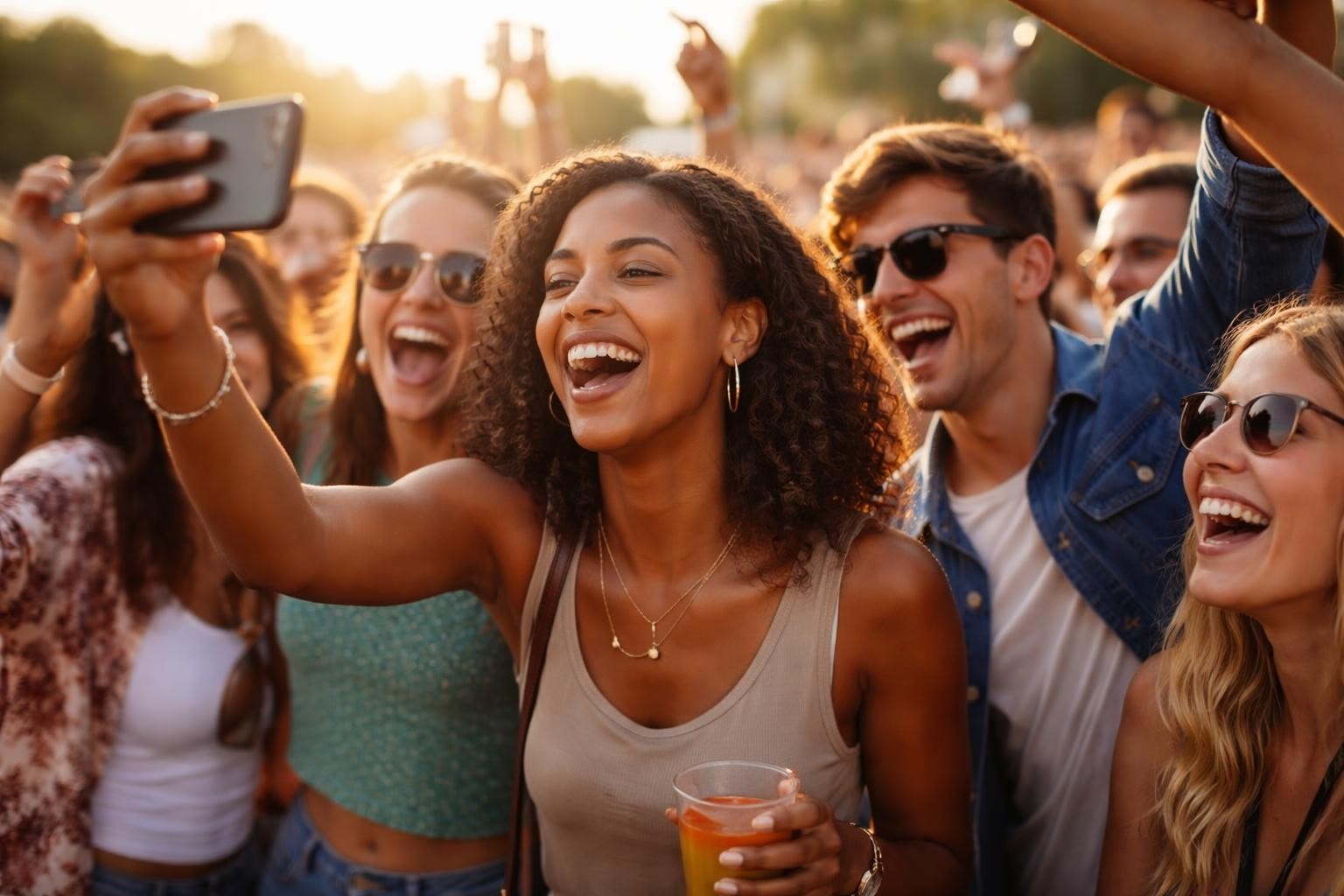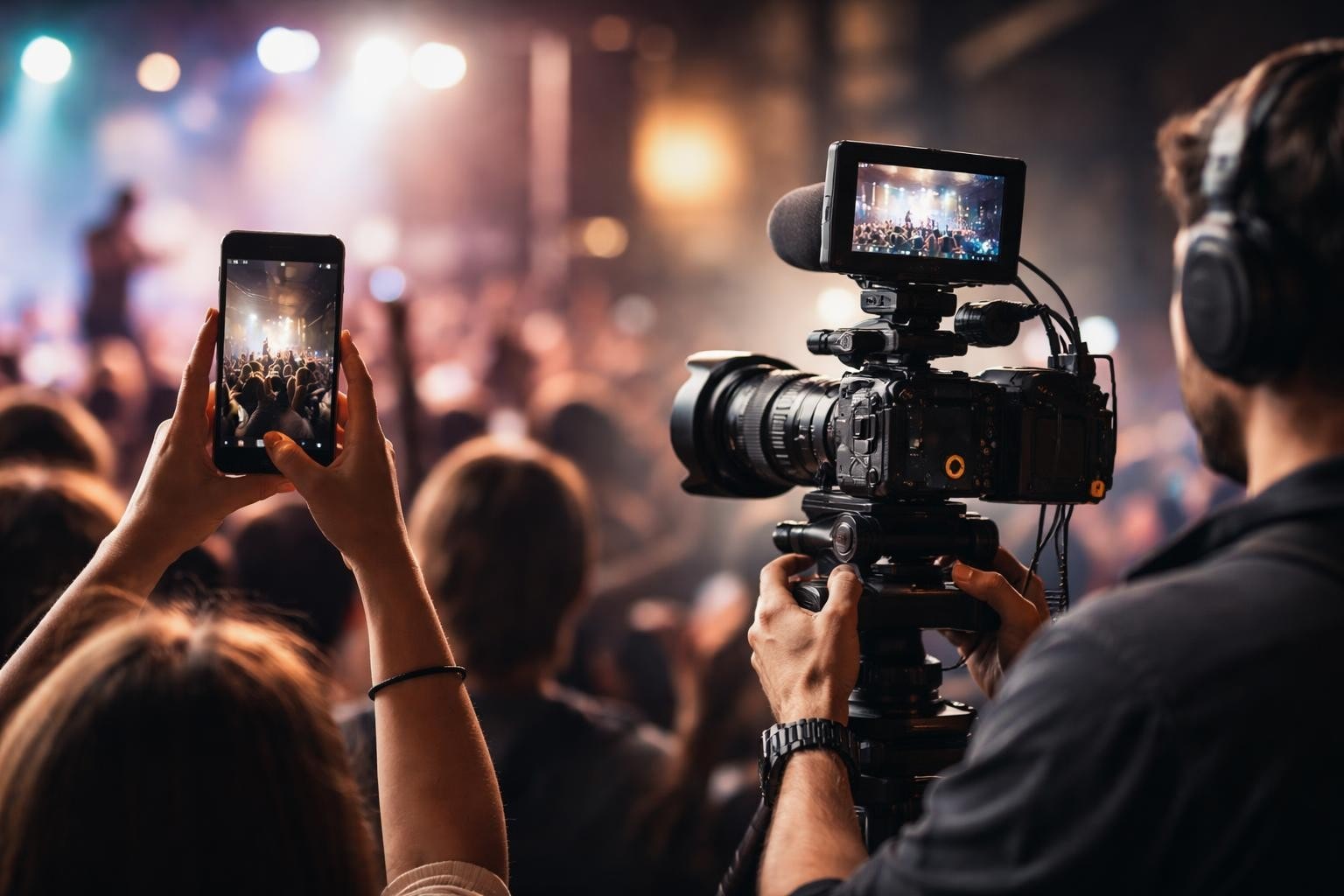

You've seen them everywhere. Those perfectly lit, professionally shot visuals videos that cost thousands and get fifty likes. Then there's the shaky phone footage from someone in the crowd that goes viral. The difference? One feels real. The other feels like an ad. If you're running events in 2026, you already know which one performs better. The question isn't whether to use visuals videos - it's how to get them without bankrupting your production budget or losing that authentic edge that makes people actually watch.
Why Visuals Videos Changed the Game
Professional video production didn't die. It just stopped being the only option that matters.
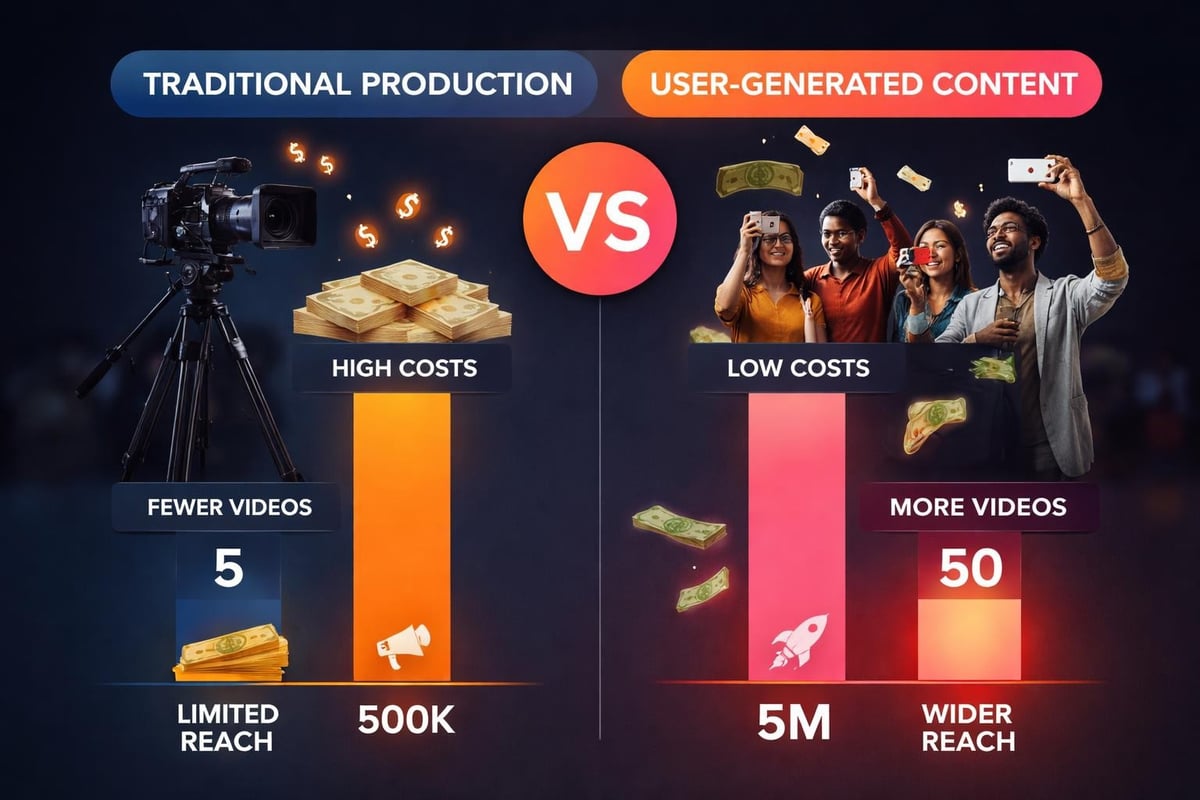
What happened was simple: phones got better, social platforms rewarded authentic content, and audiences developed a nose for anything that smelled like marketing. Now you've got a choice. Spend £10,000 on a production crew, or hand your attendees the tools to create hundreds of visuals videos that feel real because they are.
The data backs this up. User-generated content gets shared 5x more than brand content. Not because it's better shot - it's usually worse. But it's trusted. When someone at your festival posts a video of the headline act, their mates believe it. When your official account posts the same moment with perfect colour grading, it's just content.
The Production Cost Problem
Here's what a traditional event video costs:
| Item | Cost Range |
|---|---|
| Videographer (day rate) | £800-2,000 |
| Editor (per video) | £300-800 |
| Equipment rental | £200-500 |
| Motion graphics | £400-1,000 |
| Total per event | £1,700-4,300 |
You get one or two polished videos. Maybe a highlight reel. Then you're done until the next event.
Compare that to turning 500 attendees into content creators. Zero production cost. Hundreds of visuals videos. All authentic. All shareable. The maths isn't even close.
What Makes Visuals Videos Work
Strip away the jargon and you're left with three things that matter.
Authenticity wins. Always. A wobbly phone video of a genuine moment beats a 4K masterpiece every time. Visual marketing has shifted from polish to personality because that's what performs.
Volume beats perfection. You don't need the perfect shot. You need fifty decent shots from different angles, different moments, different perspectives. One of them will hit. You can't predict which one.
Speed matters more than quality. Post within hours, not days. By the time your editor finishes their masterpiece, everyone's moved on. Visuals videos work when they're fresh.
The Real-Time Advantage
Events happen once. The moment passes. Traditional production means you're editing for days while your audience forgets you existed.
User-generated visuals videos solve this. Someone captures something brilliant at 9pm. It's on Instagram by 9:15pm. Their followers see it, share it, tag their mates who wish they'd been there. By the time your event ends, you've already got organic reach you couldn't buy.
This is where VJing and live visual performance intersected with mobile content creation - the expectation became immediacy, not perfection.
How to Actually Get Usable Content
Telling people to "just film stuff" doesn't work. You'll get unusable footage filmed vertically in portrait mode with the sound clipping.
You need structure without killing spontaneity. Here's what works:
Give clear prompts before the event starts. "Film your favourite moment." "Capture your reaction when X happens." Specific enough to guide, vague enough to allow creativity.
Make submission dead simple. If they need to email files or fill in forms, you've already lost. The best user-generated content platforms let people upload directly from their phones in seconds.
Offer something in return. Feature their content on your official channels. Enter them in a competition. Free tickets to the next event. People create better content when there's a reason beyond "please help our marketing."
Set technical guidelines, not rules. Landscape preferred, but portrait's fine. Audio matters more than you think. Keep it under 60 seconds unless it's genuinely compelling.
The Curation Problem
You'll get hundreds of visuals videos. Most will be unusable. Some will be brilliant. The trick is sorting them fast.
This is where AI actually helps without replacing authenticity. You're not generating content - you're filtering it. Facial recognition finds the best shots. Audio analysis picks videos with clear sound. Sentiment analysis flags emotional moments. Then a human makes the final call.
Content curation tools have evolved past simple galleries. The good ones help you find the gold in hundreds of submissions without watching every second.
Different Events, Different Approaches
Not every event generates the same content. A corporate conference isn't a music festival. Your approach to visuals videos needs to match.
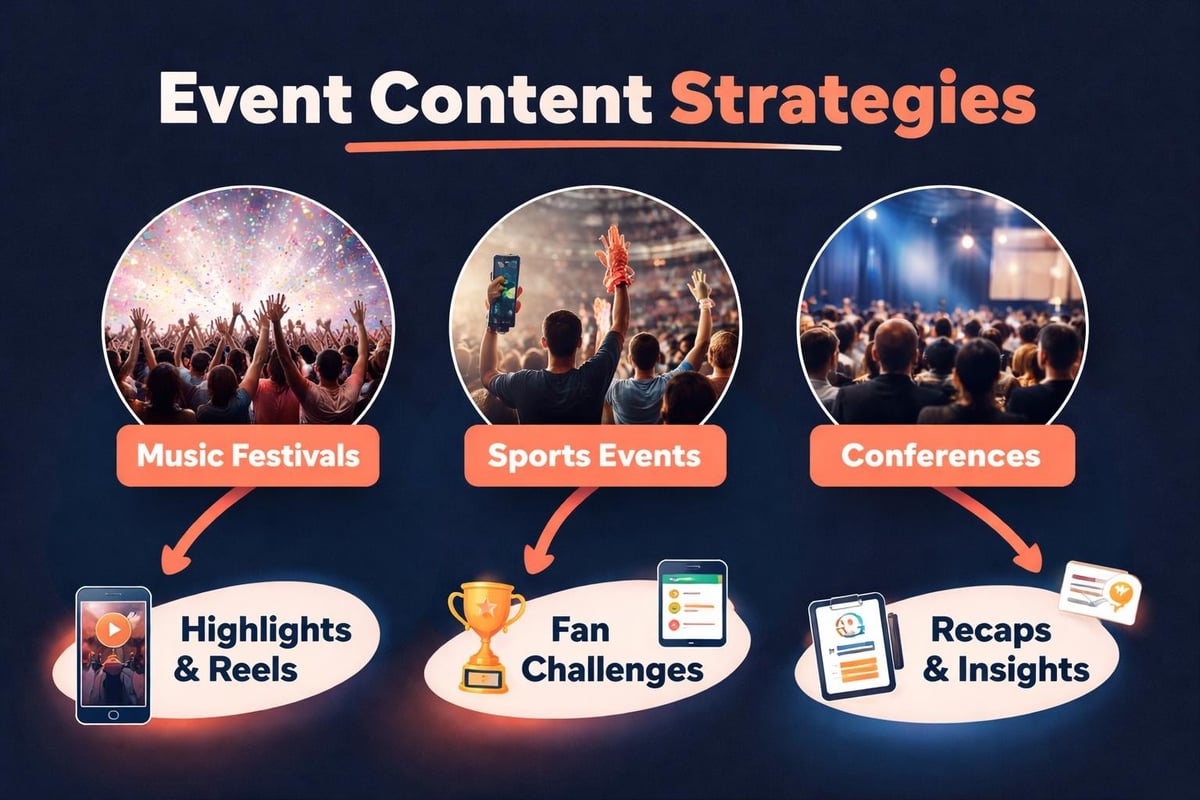
Music Events and Festivals
These are content goldmines. People already film everything. Your job is channeling that energy.
Focus on:
- Crowd reactions during peak moments
- Artist interactions with fans
- Behind-the-scenes access (even if it's just queue footage that feels exclusive)
- The journey to and from the venue
The visual album concept proved audiences want music paired with authentic visuals. Your attendees are creating that pairing in real-time.
Sports Events
The official feed shows the action. User-generated content shows the experience.
Best sources:
- Fan celebrations after goals or wins
- Pre-match atmosphere building
- Half-time activities
- The walk to the stadium
Corporate and Trade Events
Trickier because people are less likely to film spontaneously. You need to manufacture moments worth capturing.
- Panel discussions with provocative questions
- Networking exercises that create visual moments
- Product demos that people want to share
- Awards or recognition ceremonies
The Permission and Rights Maze
This is where most event organisers mess up. You can't just grab visuals videos people post and use them however you want.
You need explicit consent. Not a buried terms-and-conditions clause - actual, clear permission. Content licensing gets complicated fast if you skip this step.
What you need to collect:
| Permission Type | Why It Matters | When to Get It |
|---|---|---|
| Usage rights | Legal protection to use their content | Before/during upload |
| Commercial use | Ability to use in ads or sponsored content | Upfront, clearly stated |
| Attribution preferences | Whether they want credit or anonymity | During submission |
| Duration of rights | How long you can use their content | Initial agreement |
The best approach? Make it part of the upload process. They submit content, they tick boxes, everyone knows where they stand. Simple, transparent, legally sound.
Don't overcomplicate this. A simple consent management system works better than pages of legal text. People will agree if it's clear and fair.
Editing Without Losing Authenticity
Raw footage is authentic. Overproduced montages aren't. But completely unedited content is often unwatchable.
The balance:
- Trim, don't transform. Cut the dead air and shaky starts, but don't add transitions that scream "we edited this heavily."
- Colour correct minimally. Fix obvious problems (too dark, wrong white balance), but don't apply Instagram filters.
- Audio is negotiable. Bad audio ruins everything. Clean it up. Add music if needed. This is where you can polish without losing authenticity.
- Keep the original aspect ratio. If they filmed vertical, keep it vertical. Don't add black bars to force landscape.
Your editing should be invisible. If someone watches and thinks "nice edit," you've gone too far.
Platform-Specific Considerations
Where you post changes how you edit. Visuals videos for LinkedIn need different treatment than TikTok.
Instagram and TikTok: Keep it under 30 seconds. Hook within 3 seconds. Vertical format. Text overlays because people watch without sound.
LinkedIn: Can go longer if valuable. Professional context matters more than production value. Captions essential.
YouTube Shorts: Similar to TikTok but slightly more tolerance for explanation. Can be up to 60 seconds.
Twitter/X: Short and punchy. Under 45 seconds. Gets less engagement than Instagram but spreads faster when it hits.
Understanding how to promote an event means knowing which platforms your audience actually uses, not just where everyone says you should be.
Measuring What Actually Matters
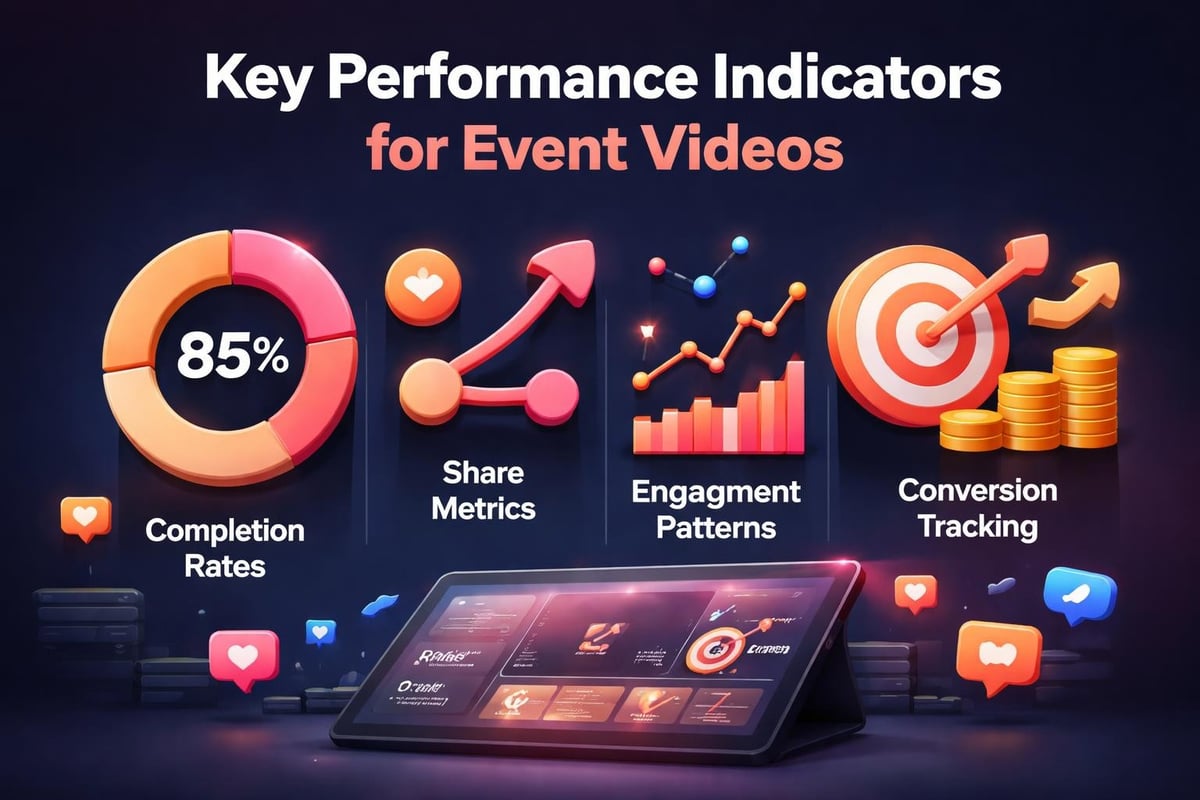
Vanity metrics are useless. Views don't pay bills. Here's what you should track for visuals videos:
Completion rate - What percentage watch to the end? If it's under 40%, your content isn't landing.
Share rate - How many people share vs just watch? Shares indicate value. Watches just mean your thumbnail worked.
Comment sentiment - Are people engaged enough to comment? What are they saying? This tells you if you're building community or just broadcasting.
Conversion to action - Did they visit your website? Buy tickets to the next event? Sign up for updates? Views without action mean nothing.
Track these by content type, creator demographics, and posting time. Patterns emerge. Double down on what works, cut what doesn't.
The Tech Stack You Actually Need
You don't need much. Complexity kills execution.
Essential tools:
- Mobile upload platform - Needs to work smoothly on phones, handle large files, and collect permissions automatically
- Content management system - Somewhere to review, tag, and organise submissions
- Basic editing software - Even free tools work if you know what you're doing
- Analytics dashboard - Track what performs, adjust strategy
Optional but helpful:
- AI-assisted curation (saves hours of manual review)
- Automated format conversion (one upload becomes multiple aspect ratios)
- Rights management database (tracks permissions and usage)
The best content curation software integrates these pieces without requiring a technical degree to operate.
What Changes in 2026
The fundamentals stay the same. Real beats fake. But the execution evolves.
AI curation gets better. Not AI creation - AI sorting. It'll find the best moments in hours of footage faster than any human could.
Platform algorithms reward authenticity even more. Instagram and TikTok are already deprioritising obvious ads. That trend accelerates. User-generated visuals videos become the only content that consistently reaches organic audiences.
Vertical becomes default. Horizontal video isn't dead, but vertical is how people naturally hold phones. Fighting this is pointless.
Speed becomes competitive advantage. Events that can curate and post visuals videos within hours will dominate. Everyone else gets ignored.
Privacy expectations tighten. Clear consent isn't optional anymore. Get ahead of this or face legal problems and reputation damage.
Common Mistakes That Kill Results
You'll mess this up at least once. Everyone does. Here's how to avoid the worst failures:
Asking for too much. Don't request multiple angles, specific lengths, and perfect lighting. You'll get nothing. Simple prompts, loose guidelines, high volume.
Ignoring contributors. Someone sends you brilliant content and you ghost them. They'll never contribute again, and they'll tell their mates. Acknowledge every submission. Feature the best ones. Build relationships.
Over-editing. Adding flashy transitions and effects doesn't make content better. It makes it look like you don't trust the original. Light touch wins.
Forgetting about audio. Visuals matter, but bad audio makes people scroll past immediately. Always check sound quality first.
Posting too late. If your event was Saturday and you're posting Wednesday, you're competing with new content. Strike while it's fresh.
Making It Sustainable
One event's worth of visuals videos is a marketing win. A system that generates them repeatedly is a business advantage.
Build this into your event planning from the start:
- Pre-event communication explaining what you're doing and why people should participate
- During-event prompts at strategic moments when something worth filming happens
- Post-event follow-up showing contributors how their content performed and thanking them
Make it a feedback loop. Show people their impact. They'll create better content next time.
The events that build brand communities around this concept create self-perpetuating content engines. Attendees come expecting to create and share. They don't need prompting anymore.
The Reality Check
Visuals videos from attendees won't replace all your content needs. You'll still want some professional shots for certain purposes. Sponsors might require polished material. Website headers need specific compositions.
But for social media reach, audience engagement, and authentic storytelling? User-generated content wins. It's not even close.
The transition isn't immediate. Your first attempt might yield fifty videos, forty-eight of them unusable. That's normal. Your third event might generate three hundred submissions, sixty of them brilliant. By your tenth event, you'll have refined the system enough that content creation becomes automatic.
This isn't about replacing videographers. It's about amplifying what they can't do - capturing five hundred perspectives simultaneously, creating content that feels personal because it is, and building reach without buying it.
The cost savings are real. The engagement improvements are measurable. The authenticity can't be faked.
Visuals videos work when they're authentic, timely, and created by people who were actually there. Professional production has its place, but user-generated content delivers reach and engagement that polished videos can't match. If you're running events and want to turn attendees into content creators without losing control of quality or rights, SureShot ApS handles the technical complexity while keeping the authenticity that makes content spread. Your attendees capture the moments, the platform manages permissions and curation, and you get hundreds of shareable videos instead of one expensive highlight reel.