
Your wedding video doesn't need to look like a film trailer. It needs to feel real. The shots that matter aren't the ones where everyone's posing perfectly-they're the ones where your mum's laughing so hard she's crying, or your best mate's doing something ridiculous on the dance floor. That's the stuff you'll actually want to watch in five years.
Why Professional Wedding Videos Miss the Best Bits
A professional videographer can only be in one place at a time. They get the ceremony, the speeches, the first dance. All important, sure. But they miss the chaos in the getting-ready room, the stupid joke your cousin made during cocktail hour, the quiet moment between your grandparents during dinner.
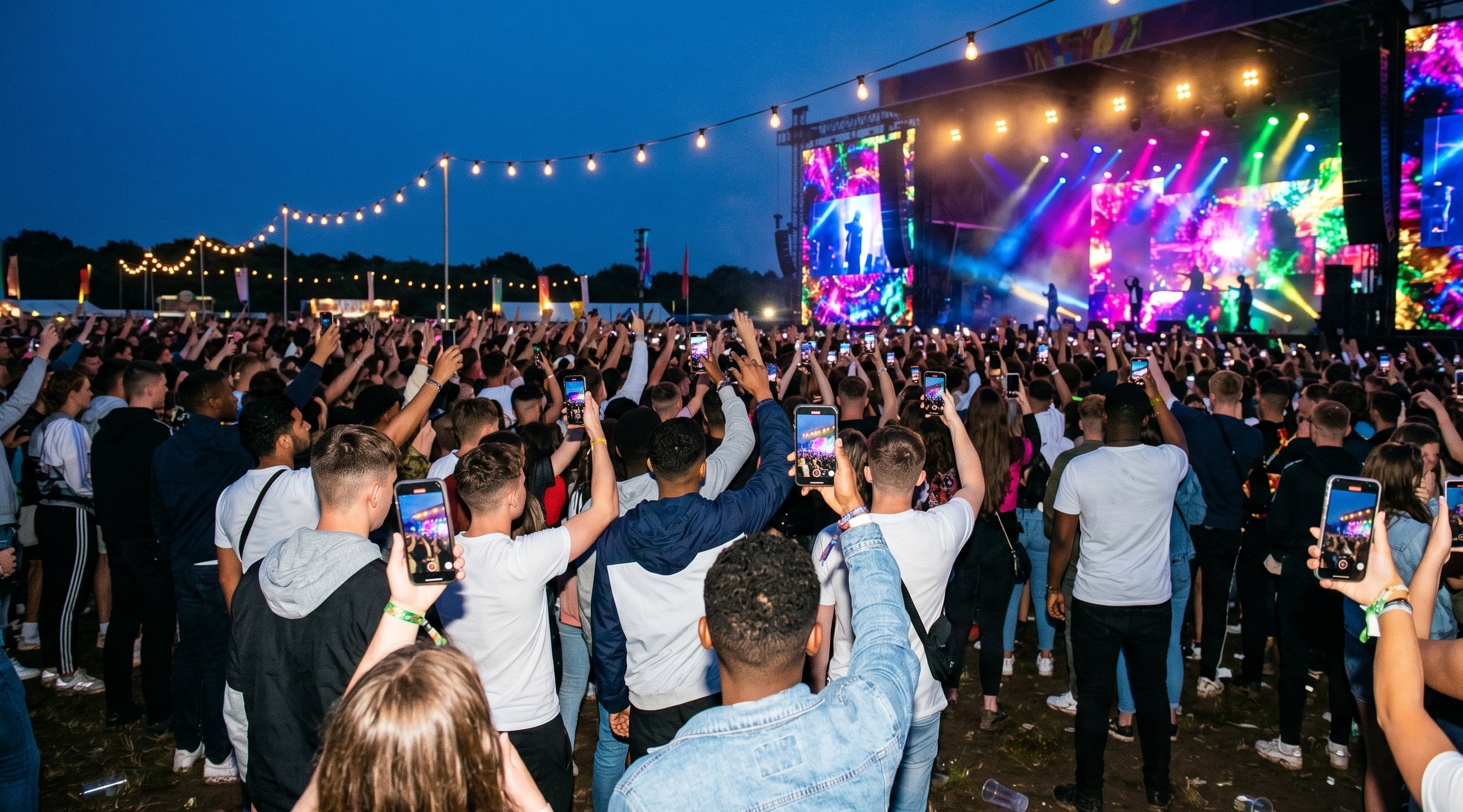
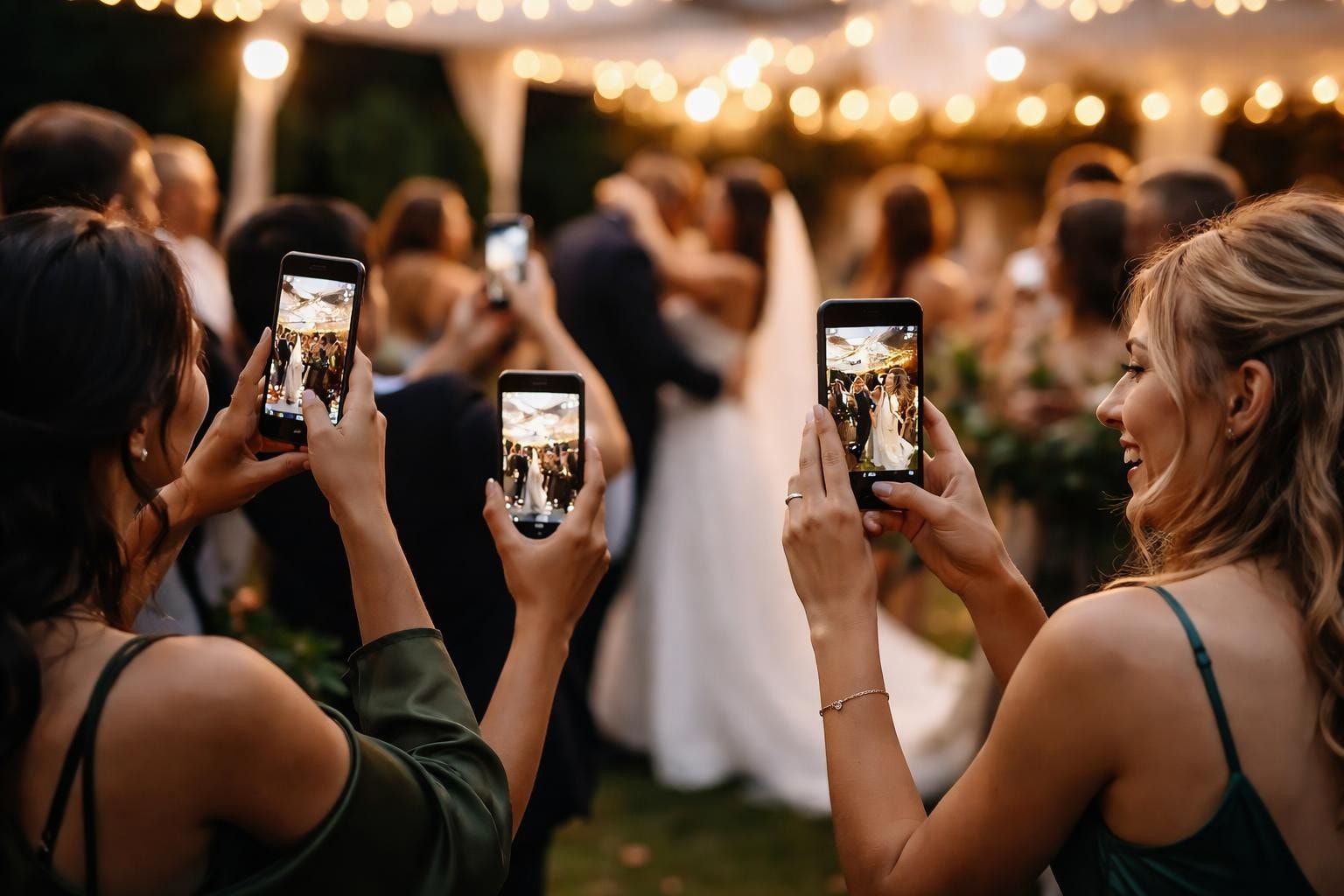
Your guests see everything. They're everywhere. And most of them already have their phones out anyway.
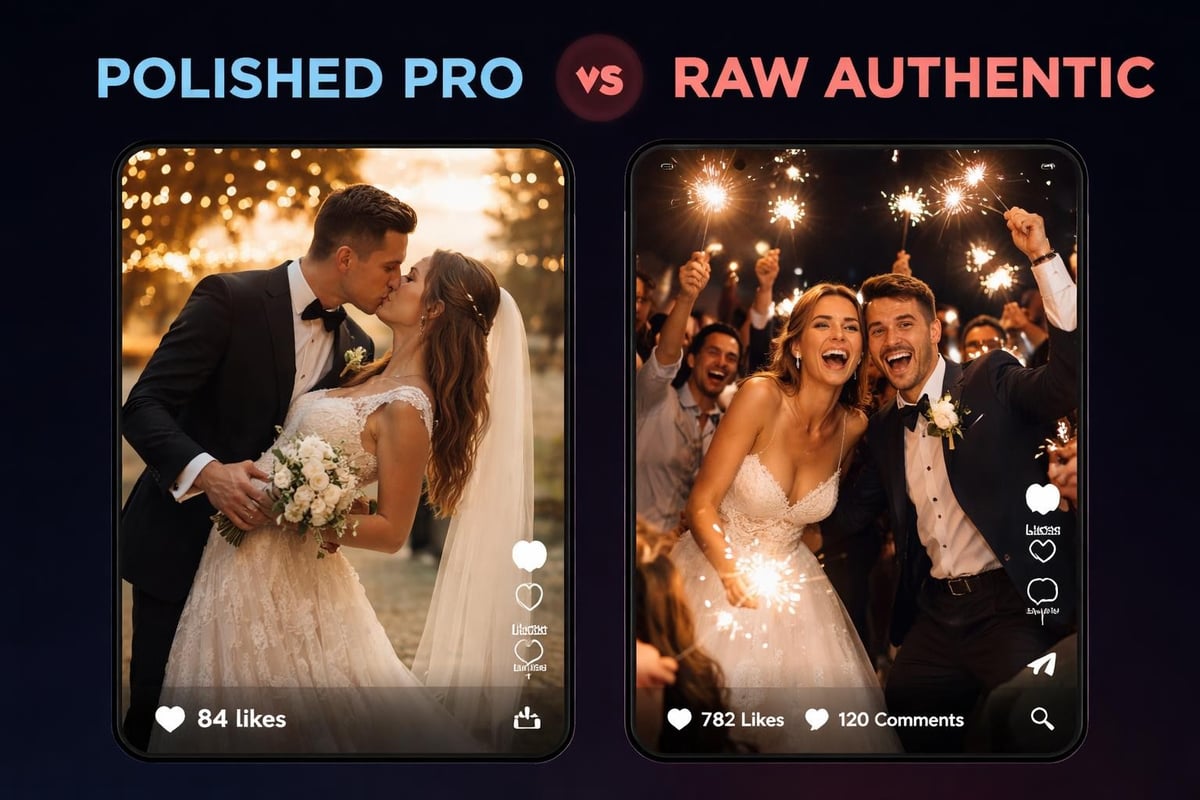
The documentary-style storytelling trend everyone's talking about? It's popular because it captures what actually happened, not some curated version of it. User-generated content does this naturally. No direction needed.
The Format Problem Nobody Talks About
Professional wedding videos come in one format: horizontal, cinematic, made for sitting down and watching properly. That's fine for when you're feeling nostalgic on your anniversary.
But when your friend wants to text you that hilarious moment from the reception? When you want to share something on your Stories? That polished 4K horizontal footage is useless.
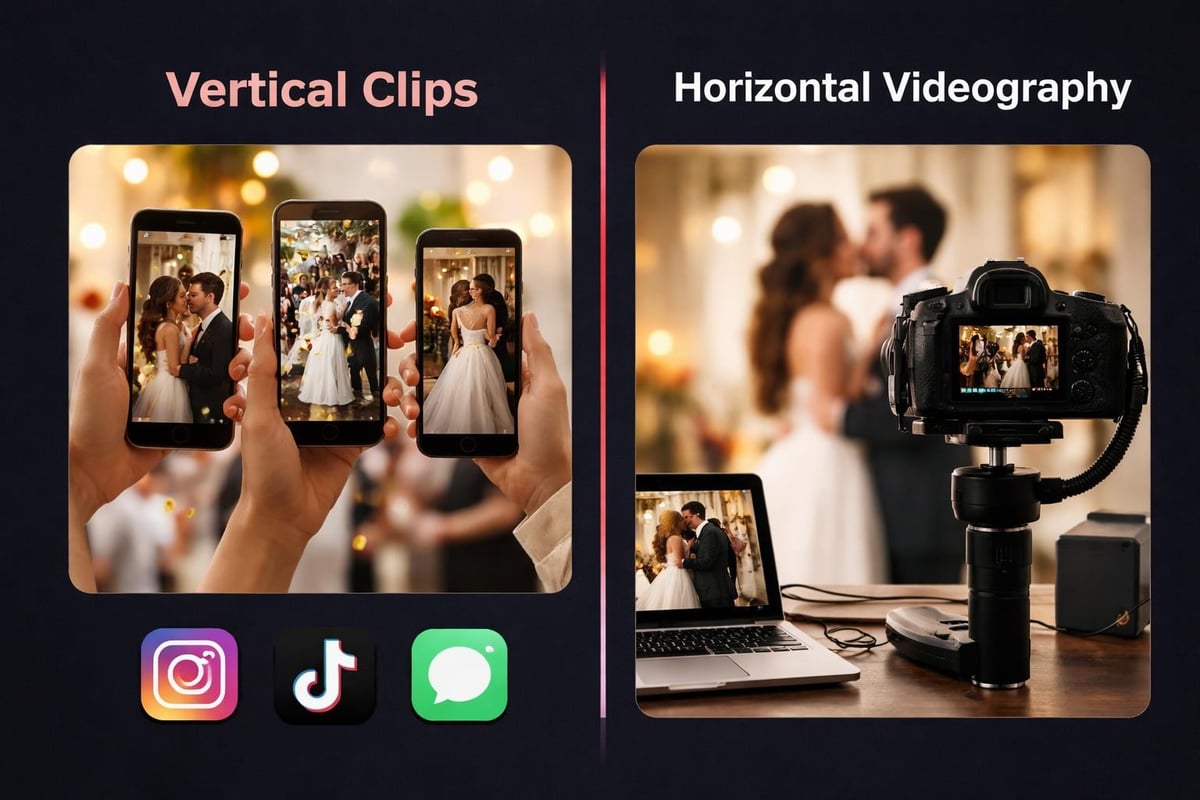
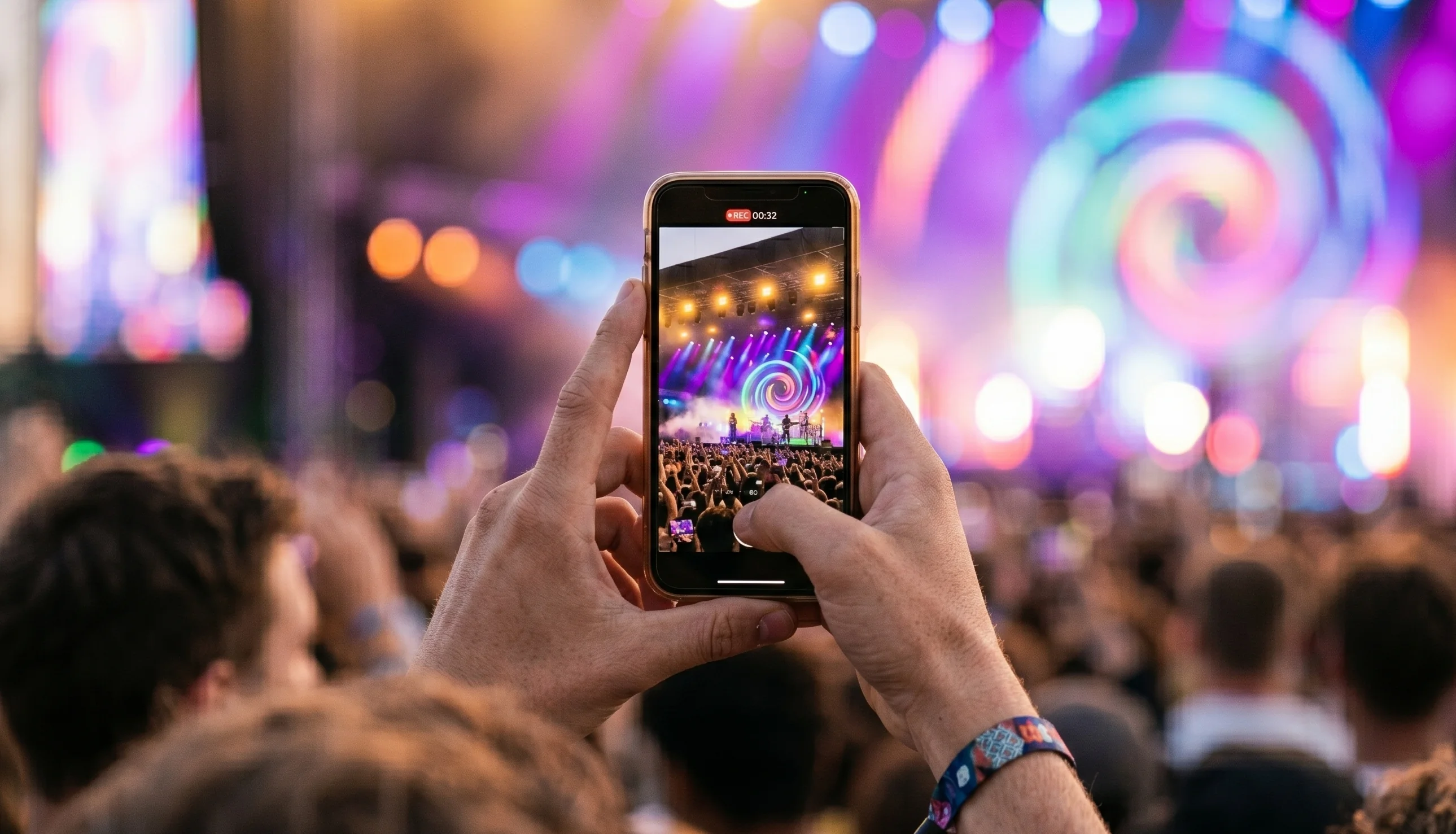
Your guests shoot vertical. They shoot in the format people actually consume content in 2026. Those clips are immediately shareable, which means your wedding gets a second life on social media without any extra work from you.
| Content Type | Professional Video | User-Generated Clips |
|---|---|---|
| Format | Horizontal cinematic | Vertical, platform-ready |
| Shareability | Requires editing | Instant |
| Perspectives | 1-2 angles | Dozens |
| Authenticity | Staged moments | Raw reactions |
| Cost | £2,000-5,000 | Free (with platform) |
What Makes a Wedding Video Actually Watchable
Length matters more than production value. Nobody's watching your full ceremony video except maybe your parents. Even highlight reels work better when they're under three minutes.
Short clips win because they're focused. One moment, one emotion, one laugh. That's all you need.
The clips people rewatch:
- Genuine reactions during the ceremony
- Unexpected moments during speeches
- Dance floor chaos
- Behind-the-scenes getting ready
- Candid conversations guests captured
- The stuff that went slightly wrong
The clips people skip:
- Extended venue shots
- Slow-motion everything
- Overly choreographed moments
- Anything over two minutes
When your guests shoot content, they naturally create short clips. They're not thinking about a final edit. They're capturing the moment they're experiencing right then. That immediacy is what makes it compelling.
The Curation Challenge
Here's the problem with user-generated content: you'll get loads of it. Your guests will shoot hours of footage. Most of it's unusable-bad lighting, shaky camera work, someone's thumb in the shot.
But buried in there? Gold. Real moments you didn't even know happened.
Finding those moments is where content curation tools actually earn their keep. AI can sort through the noise, flag the good clips, remove duplicates, and organize everything without you spending weeks doing it manually.
The key is sorting authentic content, not creating fake polished versions of it. You want the raw moments. You just want them organized.
How Guest-Generated Content Changes Wedding Videos
When guests know their clips might be part of your official wedding content, they pay more attention. They frame shots better. They capture moments they think you'd want to remember.
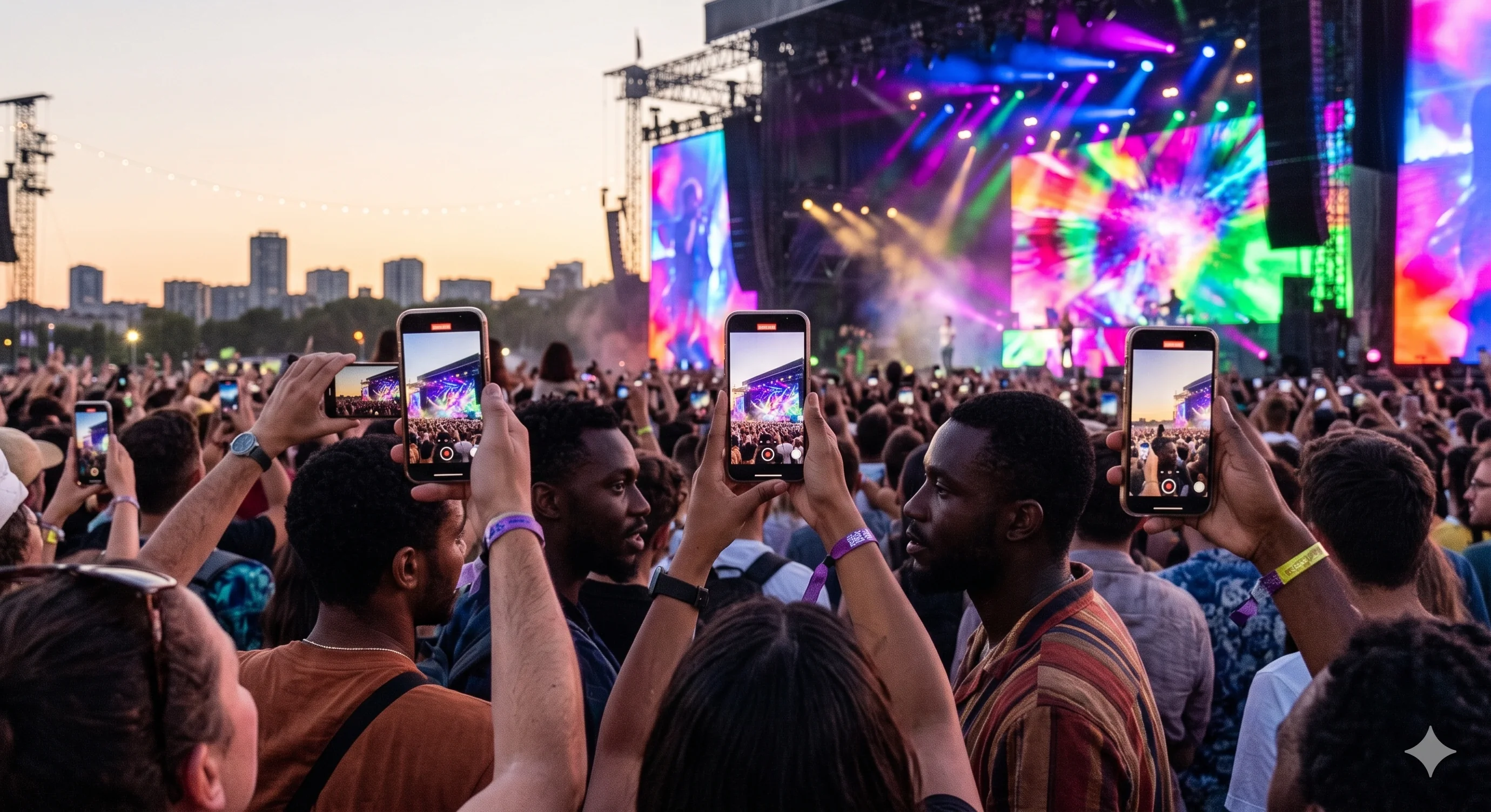
You get coverage you couldn't afford otherwise. Thirty guests with phones equals thirty cameras. That's more angles than any professional crew would bring.
Getting Guests to Actually Participate
Most people need permission to film at weddings. They're not sure if it's okay, whether you want phones out, if they should be "in the moment" instead.
Make it explicit. Tell them you want their footage. Give them a way to share it easily. If they have to email videos or remember to send them later, you'll get maybe 10% of what they shot.
What works:
- Clear signage explaining you want their clips
- A simple platform they can upload to immediately
- Specific prompts for what to capture
- Recognition that their content matters
What doesn't:
- Assuming people will just do it
- Making the sharing process complicated
- Waiting until after the wedding to ask
- Creating a hashtag and hoping for the best
The strategies for making wedding videos go viral are the same ones that get guests to participate: make it easy, make it social, make it feel like they're contributing something valuable.
Making It Work Practically
You need a system. Telling guests to "send you their clips" results in chaos. You'll get videos through WhatsApp, email, Facebook messages, and you'll spend months trying to collect everything.
Use a proper event video platform that handles:
- Easy uploads during the event
- Automatic organization
- Duplicate removal
- Quality filtering
- Consent management
- Format conversion
The tech side matters because it determines whether you actually use the content or whether it sits in a folder you never open.
Content Rights and Consent
When guests film at your wedding, they own that footage. Using it requires permission.
A consent management system sorts this automatically. Guests opt in when they upload. You get clear usage rights. Everyone knows where they stand.
Skip this step and you're legally exposed. Your guests' content might feature other guests who didn't consent. Social media platforms can pull content for rights issues. Do it properly from the start.
What Actually Happens After the Wedding
Most couples get their professional wedding video three months later. By then, the momentum's gone. The social media moment passed. The guests have moved on.
User-generated content works differently. You get it same-day. Some clips go up during the reception. By the next morning, you've got dozens of perspectives to sort through.
That immediacy extends your wedding's relevance. Instead of one big video drop months later, you've got ongoing content. A clip every few days. Moments you forgot about surfacing when guests upload them.
The professional video becomes your archive. The guest content becomes your living memory. Different purposes, both valuable.
Timeline comparison:
- Professional video: ordered in advance, shot on the day, delivered 8-12 weeks later
- Guest content: captured throughout the event, uploaded immediately, available within 24 hours
- Combined approach: instant social content plus polished highlights for long-term viewing
Why Most Wedding Videos Fail
They're too long. They're too perfect. They try to document everything instead of capturing anything specific.
The expert videography tips everyone shares focus on technical quality. Better lighting, smoother shots, professional audio. All important for professional work.
But for actually creating content people want to watch? Focus matters more than quality. A shaky phone clip of a genuine moment beats a perfectly lit shot of nothing happening.
Guest content wins on focus because each clip captures one specific thing. Nobody's trying to tell your whole story in one video. They're just saving the bit they experienced.
The Editing Reality
Professional wedding videos take months because editing is brutal. Hours of footage condensed into a watchable edit requires skill and time.
Guest content flips this. Each clip is already focused. The "editing" is just curation-picking the good ones, removing the duplicates, organizing by moment.
Automated curation handles most of this. AI flags quality issues, identifies duplicates, groups similar content. You just make final decisions on what to keep.
You're not creating something from scratch. You're filtering what already exists.
Wedding videos work when they capture real moments, not manufactured ones. User-generated content from your guests gives you perspectives and authenticity no professional crew can match, while keeping your content social-ready and shareable from day one. If you're planning an event and want to turn your attendees into contributors who capture and share genuine moments, SureShot handles the collection, curation, and organization automatically-so you get the content without the chaos.