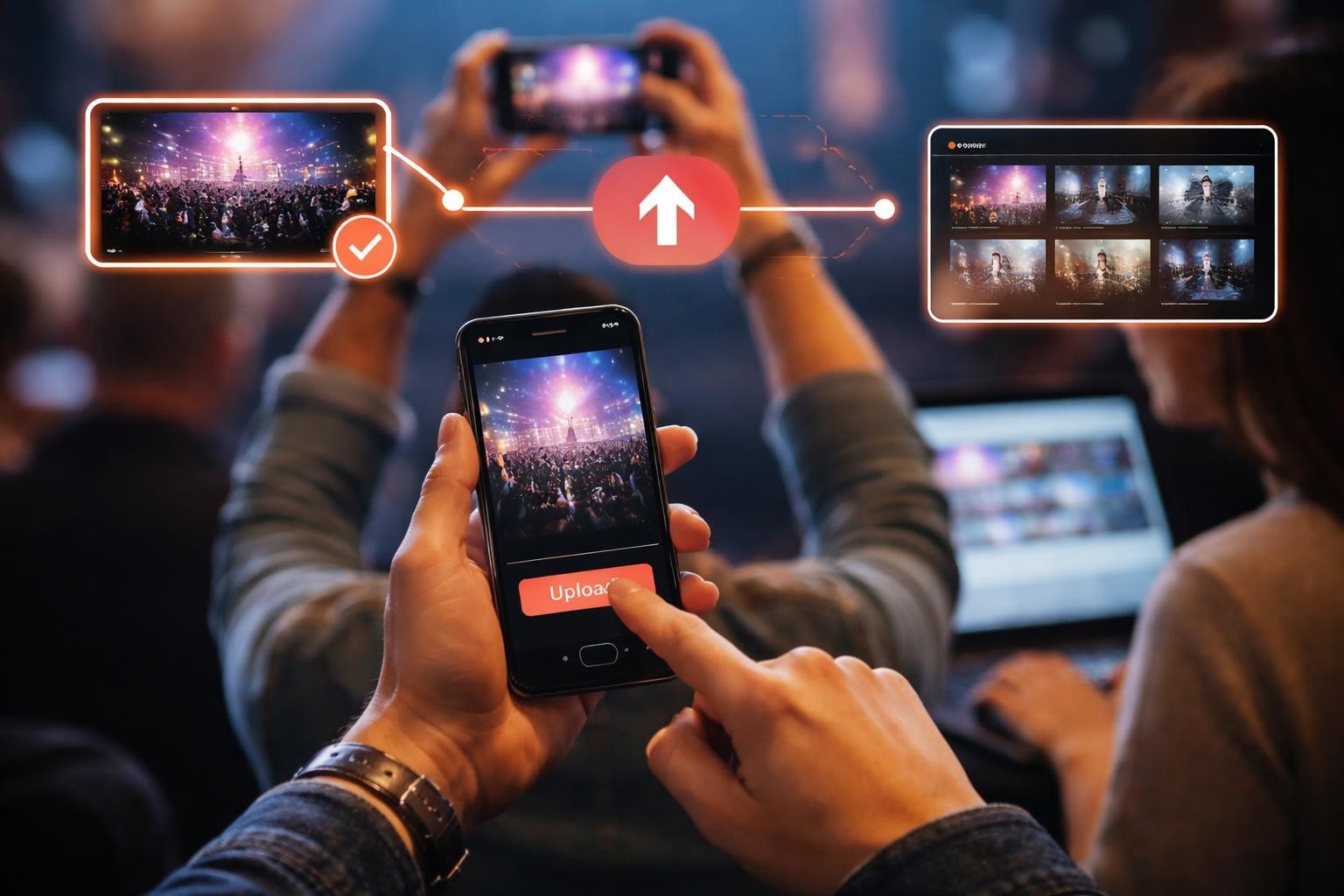

Let’s be honest. Video content is everywhere, but most of it never gets a second look. You scroll, you skip, you forget.
In 2026, the stuff that actually works is simple. It’s about being relevant, showing something real, and having a plan that makes sense for your audience. No one cares about fancy effects or chasing trends for the sake of it.
We’ll break down what’s changed, what matters now, and how you can actually get results with video content this year. If you’re tired of wasted effort, stick around. You’ll get real steps that make a difference.
The State of Video Content in 2026
Video content is everywhere, but most of it is invisible to its audience. In 2026, the way people watch, interact with, and trust video has changed. Forget flashy edits or expensive gear. What matters now is whether your video content actually fits how people live, scroll, and decide what’s worth their time.

Shifts in Viewer Habits
People aren’t watching more video content, they’re just skimming it faster. Most viewers skip within the first few seconds if a video doesn’t speak directly to them. Mobile is king, with 70% of viewers using their phones as the main screen for video content.
Short-form and long-form videos both have their place, but context is everything. Want to see the real numbers and strategies behind this? Check out this Short-form vs. long-form video breakdown.
If your video content doesn’t fit the moment or mood, it gets ignored. You need to be where your audience is, with the length and style that fits how they’re actually watching.
Platforms and Formats That Matter
YouTube, TikTok, and Instagram Reels still dominate for video content, but there’s a rise in smaller, niche platforms that cater to specific interests. Here’s a quick look:
| Platform | Best For | Key Feature |
|---|---|---|
| YouTube | All lengths, discovery | Searchability |
| TikTok | Short, viral, trends | Algorithm-driven |
| Instagram Reels | Visual, lifestyle, quick | Stories, Reels |
| Niche platforms | Community, special topics | Focused engagement |
Live video and Stories (the ones that disappear) are sticky—they grab attention in the moment. 4K and 8K look great, but most people care more about how fast and accessible your video content is.
Authenticity Over Perfection
Here’s the truth: user-generated video content crushes polished ads. Real people, rough edges, and unscripted moments drive 10x more engagement. If you show what’s actually happening, not just what you want people to see, viewers stay longer and share more.
Brands and creators who lean into honest, imperfect video content see higher retention. People are tired of being sold to—they want to see something real. If you’re not capturing real moments, you’re missing out.
Algorithm Updates and Discovery
Algorithms in 2026 are ruthless. They don’t care about your subscriber count or how many likes you buy. What matters for video content is satisfaction—watch time, replays, and shares. The more your audience genuinely interacts, the more your videos get shown.
Likes and subs are background noise now. If your video content keeps people watching and coming back, you win. If not, it gets buried. Focus on the signals that matter.
Data Privacy and Trust
Viewers are getting smarter about how their data is used in video content. They expect transparency: who’s collecting what, and why. Consent isn’t optional anymore, it’s the baseline.
If you’re not upfront, people will walk away. Building trust through clear communication is just part of making video content that people want to watch, not avoid.
Building a Video Content Strategy That Works
It’s easy to get lost in the noise. Most brands just push video content out and hope for the best. If you want people to care in 2026, you’ll need a strategy that actually fits how people watch now. Here’s how to build it.

Define Your Audience—For Real
Forget the old-school approach of targeting by age or job title. If you want your video content to land, you need to know what your audience actually does online. Check your analytics. Who’s watching to the end? What gets skipped? For example, if you’re running events, you might spot that casual networking clips outperform the big keynote speeches.
- Look at watch time and replays, not just views.
- Survey your audience about what they want to see.
- Notice which topics spark comments or shares.
The goal is simple: make video content that speaks directly to what your real viewers care about.
Set Clear, Measurable Goals
If you’re just counting views, you’re missing the point. Decide what you actually want from your video content. Is it more sign-ups? More comments? Maybe you want to build a loyal community.
- Focus on engagement, not vanity metrics.
- Set targets for shares, replies, or conversions.
- Track progress weekly, not just at campaign end.
When your video content has a clear purpose, it’s much easier to see what’s working—and what isn’t.
Choose the Right Formats and Channels
Don’t try to do everything. Pick the formats and platforms that match your audience and your message. Short-form video content is perfect for grabbing attention, while longer videos work when you need to go deeper.
- Use TikTok or Reels for quick hits and trends.
- Go with YouTube for deeper dives or tutorials.
- Try live video for real-time engagement.
It’s about being where your people are, not everywhere at once.
Plan Content Around Moments, Not Just Calendars
Stop filling calendars for the sake of it. The best video content comes from real moments—think product launches, behind-the-scenes peeks, or reacting to trending topics.
- Capture spontaneous reactions at events.
- Highlight customer stories as they happen.
- Share quick updates when news breaks.
Moments are what people remember. Build your video content plan around them, not just dates.
Test, Learn, Iterate
Don’t get attached to your first idea. Test different hooks, thumbnails, and video content formats. Use A/B testing to see what works, and review your analytics every week.
- Change up intros and see what keeps viewers watching.
- Adjust video length based on where people drop off.
- Use feedback to improve each new post.
For more actionable advice on how to optimise and refine your approach, check out these video content curation tips.
Creating Standout Video Content: What Actually Works
Most video content gets scrolled past in seconds. So what actually works in 2026? You don't need a film crew. You need to get real, get to the point, and make every second count.

Hook Viewers in the First 3 Seconds
Blink and you'll miss your shot. People decide if your video content is worth their time almost instantly. That first three seconds is everything.
Start with a punch. Show a surprising moment, ask a direct question, or flash a bold statement. Forget fancy intros. If you don't grab attention right away, nothing else matters.
- Use movement or bold visuals in the opening frames
- Ask something your audience actually cares about
- Avoid slow build-ups or generic greetings
Keep it simple. Make sure your video content gets to the point fast.
Prioritise Authenticity and Relatability
People want to see real people, not scripts. The best video content feels like a friend sharing something useful or funny, not a brand selling to you.
Unpolished, honest clips work because they're relatable. If you're awkward, own it. If something goes wrong, show it. That builds trust.
For more on this, check out these authentic video strategies that break down why authenticity always wins.
- Share behind-the-scenes moments, not just highlights
- Feature real users or attendees, not actors
- Let people speak in their own words
Keep It Short, But Not Empty
Short-form video content rules for discovery, but short doesn't mean empty. Every second should add value. If you can make your point in 30 seconds, do it.
Cut the waffle. Deliver the headline, the tip, or the story, then stop. If you need more time for depth, use long-form, but never pad for length.
- Edit out filler words and awkward pauses
- Focus on one idea per video content piece
- Use lists or quick tips to keep things moving
Sound and Subtitles Matter
Most people watch video content on mute, especially on mobile. If your message relies only on sound, it's lost on most viewers.
Always add subtitles. Make them accurate and easy to read. Use on-screen text, graphics, or animations to reinforce your message. This isn't just about accessibility, it's about reach.
Break up your visuals. Use text overlays for key points. Make sure your video content works even with the sound off.
Mobile-First Production
Your audience is watching video content on their phones, vertical and up close. Film in portrait mode when it fits the platform. Keep your shots tight and clear.
You don't need pro gear. A good phone and steady hand do the job. Film in natural light, avoid cluttered backgrounds, and keep it real.
- Use vertical format for TikTok, Reels, and Stories
- Preview your video content on a phone before posting
- Avoid over-editing or heavy filters
Use Data to Refine Content
Guesswork is dead. Use analytics to spot what works in your video content. Track where viewers drop off, what gets rewatched, and which videos get shared.
If people leave after 10 seconds, fix your intro. If a certain topic pops, do more of it. Review your numbers every week, not every month.
- Test different hooks and formats
- Adjust length based on retention data
- Double down on what gets real engagement
Collaborations and Community Involvement
You don't have to do it all alone. Bring in other voices. Let your fans, attendees, or team create video content for you.
User-generated clips feel fresh and trustworthy. Feature community submissions, run challenges, or ask for reactions. This builds loyalty and gives you more material with less effort.
Highlight your best contributors. Make your audience part of the story. That's how you turn viewers into a real community.
Distribution: Getting Eyes on Your Videos
Most creators think uploading is enough, but in 2026, getting your video content seen is a different game. With video content set to make up 82% of global internet traffic by 2025, competition is brutal. The real win comes from knowing where, when, and how to share, not just what you post.

Platform-Specific Best Practices
Each platform has its own rules. On YouTube, sharp thumbnails and clear titles make video content stand out. TikTok and Reels? You want quick edits and trending sounds. LinkedIn likes straight talk and value, not fluff. Here’s a quick cheat sheet:
- YouTube: Consistency, strong visuals, searchable titles
- TikTok/Reels: Fast pacing, trends, music
- LinkedIn: Professional, actionable insights
Know your platform, and your video content will travel further.
Timing and Frequency
Posting video content when your audience is online isn’t optional. Use platform analytics to spot those sweet spots. Forget daily uploads if you can’t keep up—consistency is what actually builds trust. Regular posting, even once a week, is more effective than random bursts.
If you can, schedule ahead. It saves you from scrambling and keeps your video content top of mind.
Leveraging Community and UGC
Your viewers want to feel involved. Featuring their clips or running hashtag challenges turns passive watchers into active participants. Not only does this boost reach, but it also builds loyalty. Event highlights made from attendee videos? Gold.
For more on why this works, check out this user-generated content guide. It covers practical ways to make your community part of your story.
Paid vs. Organic Reach
Throwing money at video content can get you quick numbers, but organic growth is where the real engagement lives. Use paid boosts for content that’s already working or for big campaigns. Most of the time, shares and word of mouth drive deeper connections.
Don’t let vanity metrics tempt you. Focus on what actually leads to conversations or conversions.
SEO for Video
If people can’t find your video content, it’s invisible. Use keywords in your titles, descriptions, and tags. Adding transcripts helps both search engines and viewers. It’s not about stuffing keywords, but making your video content discoverable for the right audience.
Always check your analytics for what people are searching for. Adjust as you go, and you’ll see steady improvements.
Repurposing Content
Don’t let good video content fade after one upload. Cut long videos into shorts, clips, or stories. Share across platforms, but tweak the format to fit. What works on YouTube might need trimming for TikTok.
Repurposing saves time and reaches people where they already are. It’s the simplest way to stretch your best stuff further.
Measuring Success and Iterating
Most people measure video content by views. It sounds impressive, but it rarely means much. If you want results in 2026, you need to look deeper at what actually keeps people watching, what gets them sharing, and what drives your goals forward.
Key Metrics That Matter in 2026
Forget the vanity of view counts. The metrics that show if your video content is hitting the mark are:
| Metric | Why It Matters |
|---|---|
| Watch Time | Shows real interest and message impact |
| Retention Rate | Tells you if viewers stick around or bounce |
| Shares | Indicates value and audience advocacy |
| Community Growth | Tracks loyal, repeat viewers |
| Comments Quality | Reveals genuine engagement and discussion |
If you focus on these, you’ll see what’s actually moving the needle.
Using Analytics to Drive Decisions
Analytics aren’t just spreadsheets; they’re a weekly gut-check on your video content. Look at where viewers drop off, what gets replayed, and which clips get shared.
Spot trends. Maybe your behind-the-scenes clips get double the comments. Use that. Let the numbers tell you what to make next, not your gut. Review every week, not once a quarter, so you can move quickly.
Experiment and Pivot Quickly
Don’t get attached to any format or topic. If your video content isn’t getting traction, try something new fast. Run small tests: swap out intros, try different lengths, or change the thumbnail.
A/B testing isn’t just for marketers. If something flops, drop it. If something works, double down. The quicker you pivot, the less time you waste.
Monetisation and ROI
Measuring ROI for video content isn’t just about counting likes. Track what matters: are people signing up, buying tickets, or joining your community? If a highlight reel drives more ticket sales than a sizzle reel, you’ve got your answer.
Short, sharp clips tend to outperform longer ones for awareness and conversions. In fact, short-form videos under 60 seconds yield highest ROI, so keep it concise when you want maximum impact.
Avoiding Burnout and Staying Fresh
Constantly churning out video content? You’ll burn out, and it’ll show. Batch your shoots, use templates, and work with others to spread the load.
Take breaks when you need to. If you’re stuck, ask your audience what they want to see. Sometimes, a fresh perspective is what keeps things interesting for everyone.
Compliance and Ethical Considerations
Viewers care about privacy and trust. Always get consent before filming or sharing clips. Be upfront about how you collect and use data in your video content.
Stay current with platform rules and legal guidelines. It’s not about ticking boxes—it’s about respecting your audience and keeping their trust.
So, if you’re ready to actually stand out with your video content in 2026, now’s the time to put what you’ve learned into action. We’ve seen how authenticity and smart strategy win over flashy trends, and how SureShot lets you turn every event attendee into a storyteller—saving you time, money, and a whole lot of effort. If you want to chat about how this could work for your next event (or just need a bit of guidance to get started), let’s make it happen together.
Book a meeting