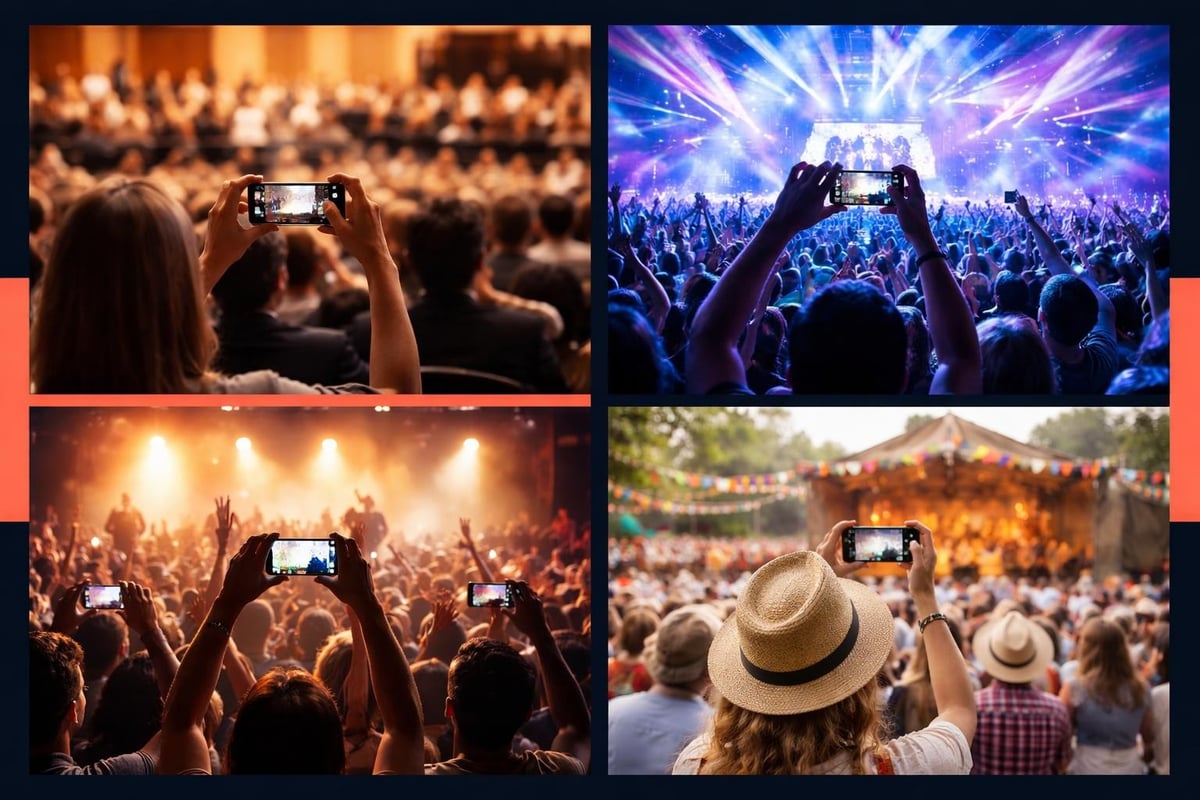
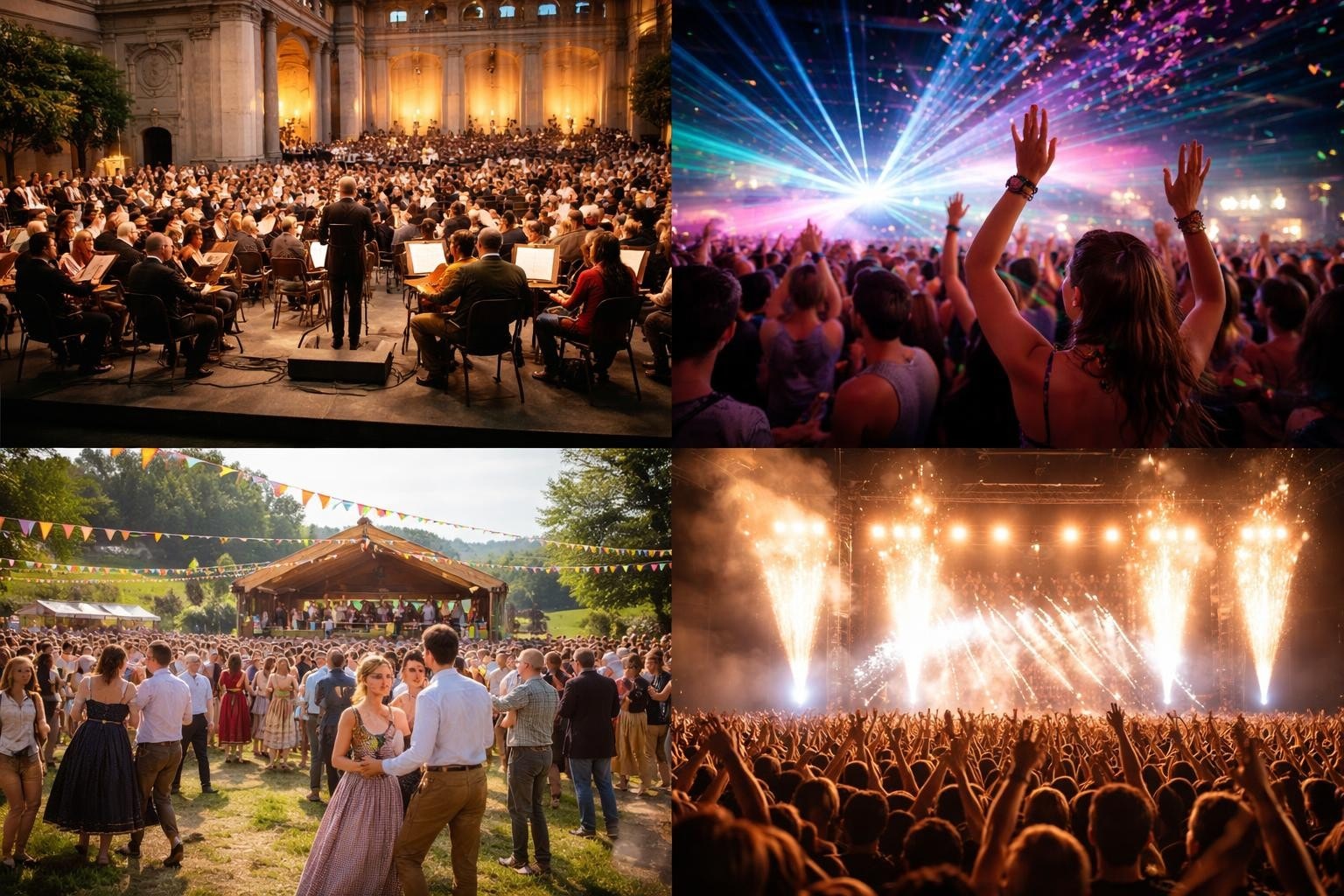
Germany's festival scene doesn't mess about. You've got everything from 80,000-strong rock gatherings to intimate classical affairs in medieval towns. The country hosts over 400 music festivals annually, spanning every genre you can think of and a few you probably can't. For anyone working with events or user-generated content, understanding how german music festivals operate gives you a proper blueprint for what works when thousands of people gather around shared experiences. The real value isn't in the headline acts, it's in the moments between them.
Why German Music Festivals Actually Matter
The numbers tell part of the story. According to research on the German festival scene, these events contribute significantly to the cultural and economic landscape. But that's not what makes them interesting.
What matters is how german music festivals have cracked the code on creating shareable experiences at scale. They've turned attendees into active participants rather than passive consumers. When someone films their mate discovering a new band at 2am, that's authentic content you can't manufacture in a studio.
The Scale and Diversity Problem
Here's what most people miss about german music festivals: they're not just big. They're varied. You've got:
- Rock and alternative: Hurricane Festival pulls 80,000+ people
- Electronic: Fusion Festival creates a temporary city
- Classical: Donaueschingen Festival has been running since 1921
- Folk and world: Rudolstadt-Festival showcases traditional and contemporary acts
- Jazz: Enjoy Jazz spans multiple cities
This diversity creates different content opportunities. A classical music festival produces different user behavior than a three-day rock marathon. The Donaueschingen Festival, for instance, attracts a crowd that approaches documentation differently than the typical festival-goer.

What Actually Happens at German Music Festivals
The Goethe-Institut's overview of music festivals highlights cultural significance, but let's talk practical reality. German music festivals run tight ships. They have to. When you're managing tens of thousands of people, you can't wing it.
Most festivals follow a similar structure:
- Pre-event hype builds through social channels and traditional media
- Gates open and attendees immediately start documenting
- Multiple stages run simultaneously, creating choice paralysis
- Between-set moments generate as much content as performances
- Post-event sharing extends the festival's life by weeks
The smart festival organizers realized something years ago: they can't capture everything themselves. They need attendees to do the heavy lifting. That's where user-generated content platforms come in.
The Content Production Challenge
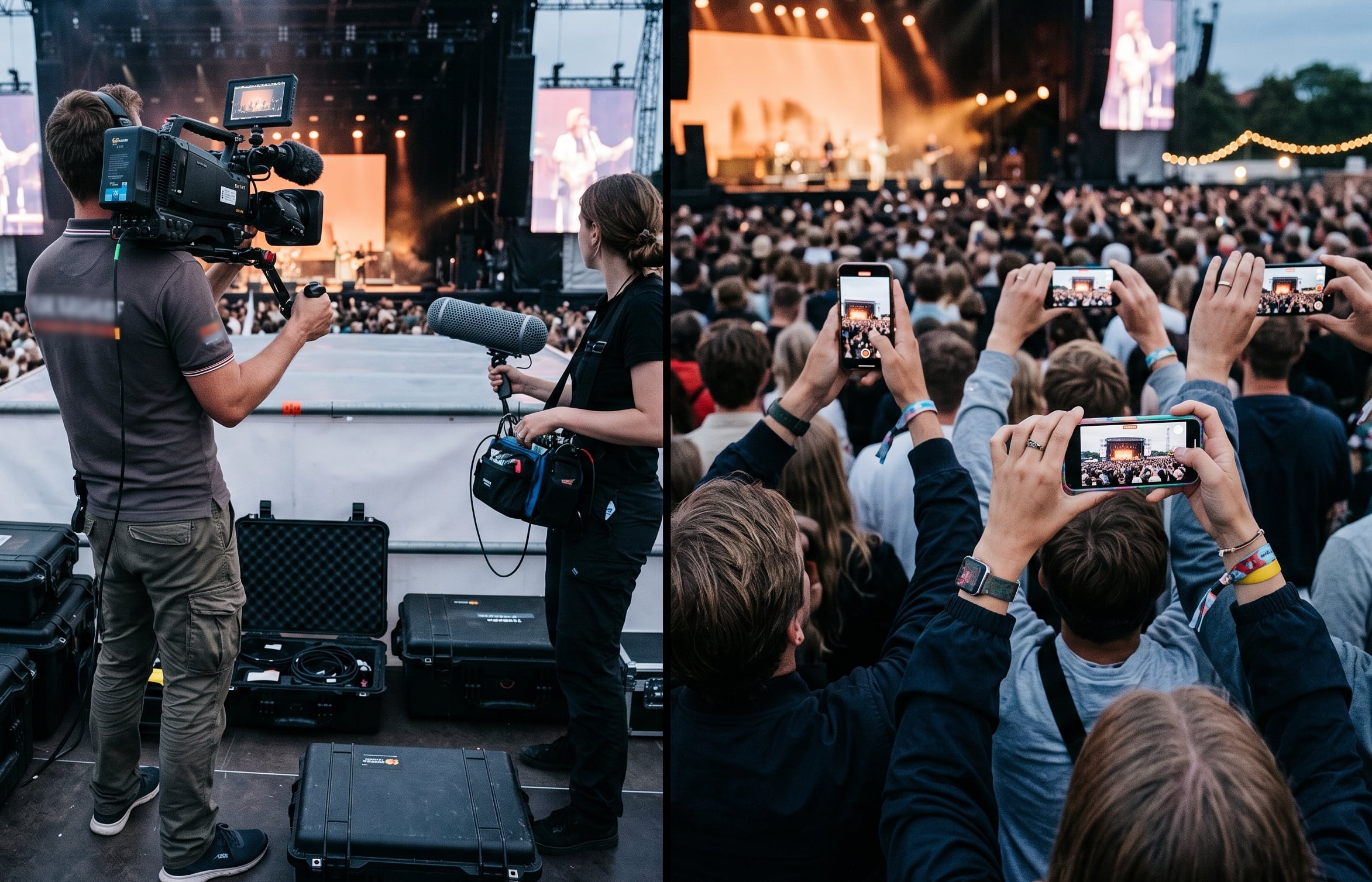
Traditional festival video production costs a fortune. You're paying for:
- Professional camera crews
- Equipment rentals
- Editing time
- Storage and distribution
- Rights management
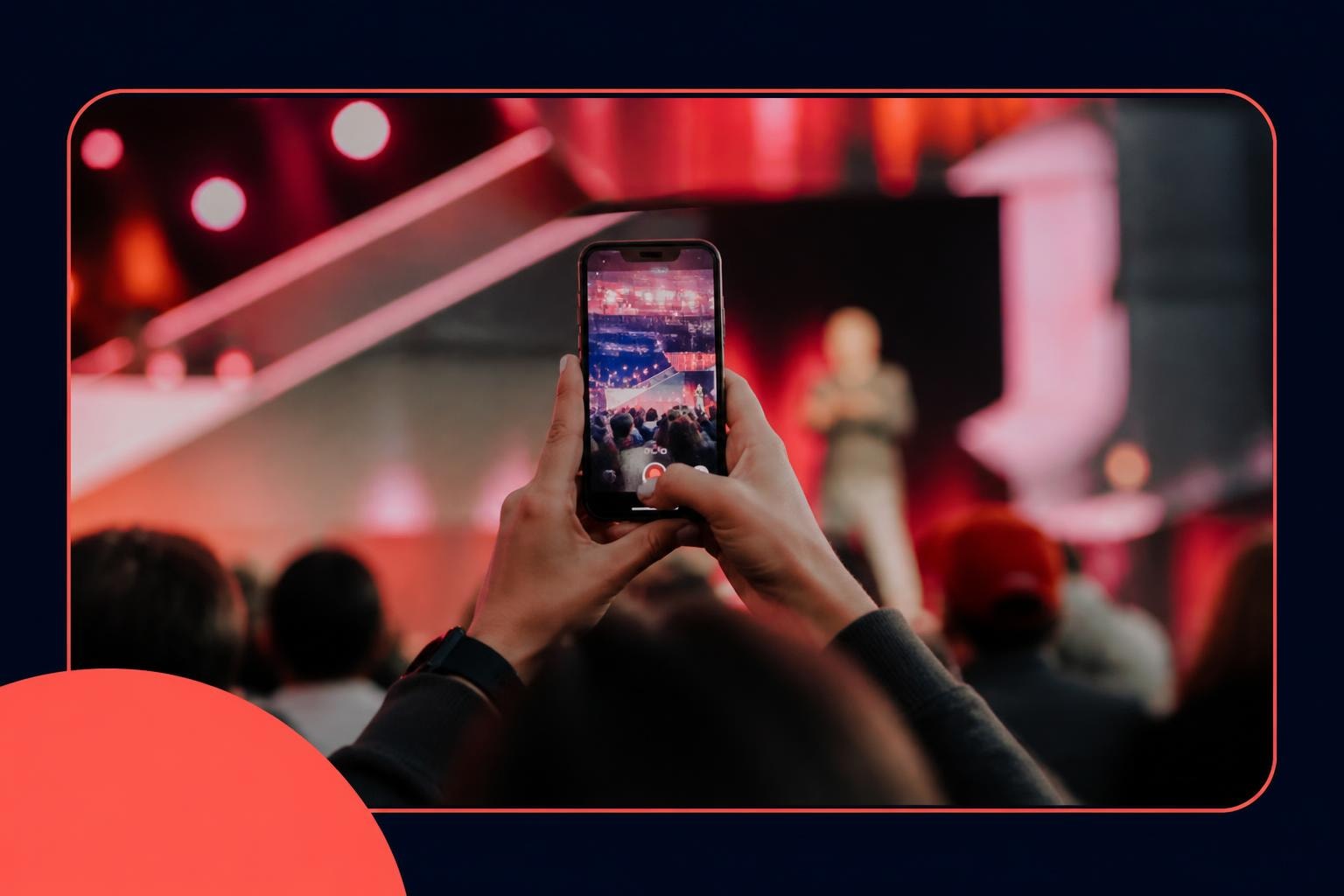
Then you get maybe 10-15 polished clips that look great but feel sterile. Meanwhile, 50,000 attendees are filming the actual experience on their phones. The footage isn't perfect, but it's real. That's what spreads on social media.
Genre-Specific Festival Dynamics
Different musical genres create completely different festival environments. Understanding these differences helps you predict what kind of content you'll get.
| Festival Type | Typical Attendance | Content Characteristics | Distribution Pattern |
|---|---|---|---|
| Electronic/Techno | 20,000-70,000 | Immersive, atmospheric, often night-focused | Instagram Stories, TikTok |
| Rock/Alternative | 30,000-100,000 | High-energy crowd shots, mosh pits, singalongs | YouTube Shorts, Instagram |
| Classical | 500-5,000 | Performance-focused, respectful distance | Facebook, traditional channels |
| Folk/World | 5,000-20,000 | Cultural documentation, dance, traditional dress | Mixed platforms, longer form |
| Jazz | 1,000-10,000 | Intimate performances, artistic appreciation | Instagram, niche platforms |
The Hurricane Festival exemplifies the rock festival model. It's massive, it's loud, and attendees generate mountains of content. Compare that to the Rudolstadt-Festival, where folk and world music create a completely different vibe and content style.
How Attendees Document Experiences
People don't film concerts the way professionals do. They film what matters to them:
- Their group discovering a new artist
- The walk between stages at sunset
- The ridiculous queue for food
- That moment when everyone sang along
- The campsite at 3am
This footage feels authentic because it is. No amount of professional production can replicate the energy of someone genuinely experiencing something. That's why creating short-form video from these moments works so well.

The German Festival Infrastructure
Germany's approach to festivals isn't accidental. The country has built a comprehensive music infrastructure that supports everything from experimental classical to hardcore techno. This infrastructure includes public funding, cultural institutions, and a general acceptance that festivals serve a purpose beyond entertainment.
The German Music Information Centre provides detailed breakdowns of how this ecosystem works. But here's the practical takeaway: german music festivals operate with a level of professionalism and permanence that makes them ideal testing grounds for content strategies.
Regional Distribution
German music festivals spread across the country, which affects their character:
- Northern festivals often lean electronic and alternative
- Southern events might incorporate traditional Bavarian elements
- Eastern regions host unique cultural blends post-reunification
- Western industrial areas favor rock and metal
The MDR Musiksommer spans three states, showcasing how regional characteristics influence festival culture. Each location produces different types of attendee content based on local traditions and expectations.
Content Curation at Scale
Here's where it gets interesting for anyone managing events. You've got thousands of attendees filming hours of footage. How do you turn that into something useful?
Traditional approaches don't work. You can't manually review everything. You need systems that help you:
Collect content efficiently without bombarding attendees with complicated submission processes. If it takes more than 30 seconds to share, people won't bother.
Filter the good stuff from the mediocre. Not every clip deserves attention. Content curation strategies help separate signal from noise.
Respect consent and rights because using someone's footage without permission is a fast track to legal headaches. Consent management matters more than ever.
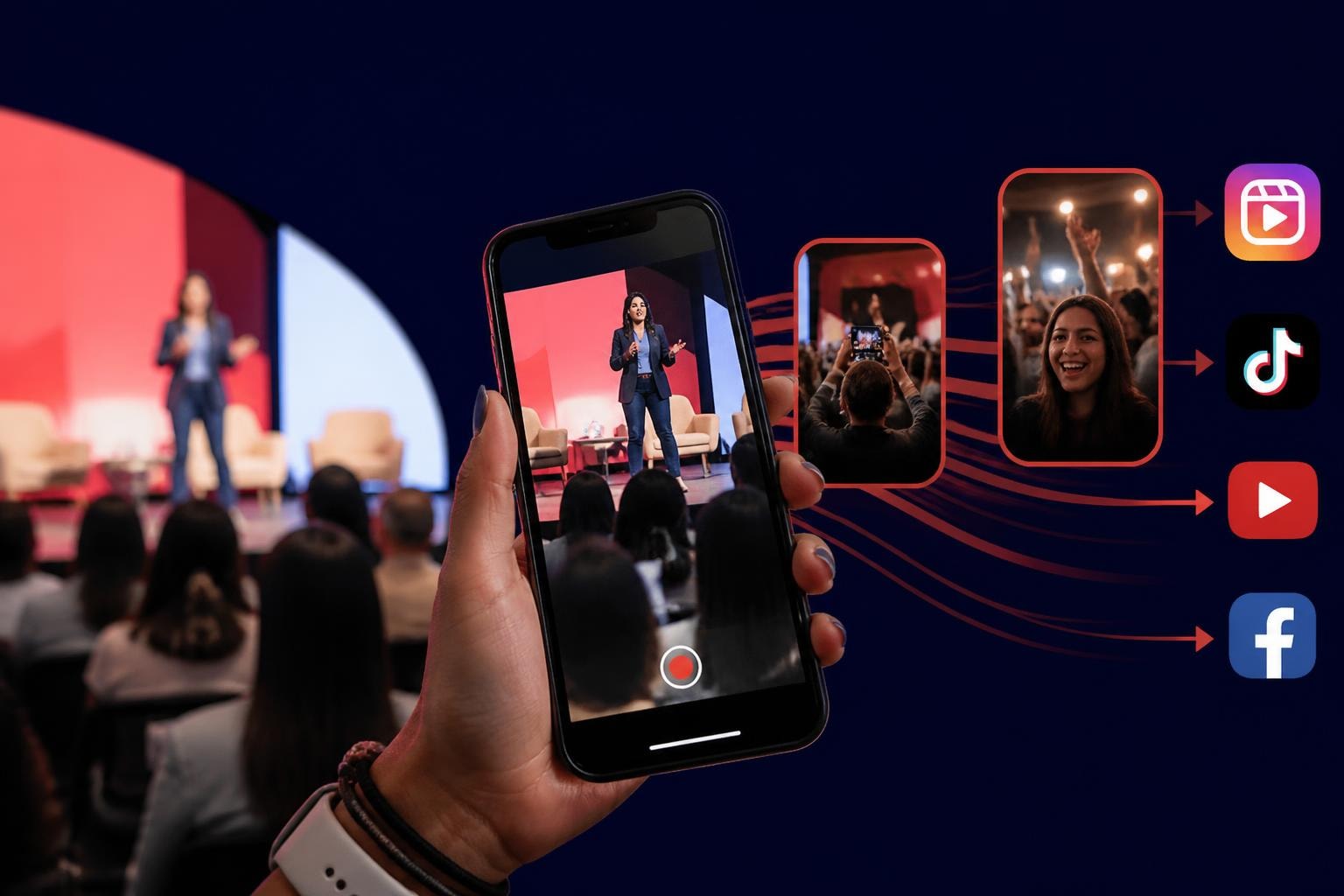
Distribute effectively across platforms where your audience actually hangs out. Understanding platform differences prevents you from treating all social media the same.
The AI Curation Advantage
You can automate event video curation without sacrificing authenticity. The key is using AI to handle the boring bits (sorting, tagging, basic quality checks) while humans make creative decisions.
This approach lets you process hundreds of clips in the time it used to take to review dozens. You're not generating fake content with AI. You're using it to find and organize the real stuff faster.
Why German Music Festivals Get Social Sharing Right
Some festivals treat social media as an afterthought. German music festivals, particularly the established ones, understand it as part of the experience. They've learned that earned media from attendees carries more weight than paid promotion.
Consider how this plays out practically:
- Before the festival: Attendees share anticipation and planning
- During the event: Live content flows constantly
- After it ends: Nostalgia-driven posts extend the conversation
Each phase generates different content types. Pre-event stuff is aspirational. During-event content is raw and immediate. Post-event content gets polished and sentimental. All of it has value.
The Organic Reach Factor
When someone shares festival footage to their network, they're not just posting a video. They're saying "I was part of this" to people who know and trust them. That personal endorsement matters more than any official festival account could achieve.
This is why building a brand community around events works so well. You're not creating customers. You're creating advocates who spread your message because they want to, not because you paid them.

Practical Applications for Event Organizers
If you're running events (music festivals or otherwise), the german music festivals model offers clear lessons. Start with the assumption that your attendees will create better, more authentic content than you could produce professionally.
Your job isn't to compete with them. It's to enable them and curate what they create.
Set up collection points that make submission frictionless. QR codes, dedicated hashtags, and simple upload tools remove barriers.
Communicate expectations clearly about what you're looking for. People want to help, they just need direction.
Show appreciation by featuring contributor content prominently. Recognition motivates continued participation.
Respect boundaries around privacy and consent. Just because someone filmed something doesn't mean they want it broadcast everywhere.
The Technical Side
You need infrastructure that handles this. We're talking about:
- Mobile-friendly upload systems
- Automatic format conversion for different platforms
- Rights management that tracks who filmed what
- Distribution tools that publish to multiple channels
- Analytics that show what's working
The best video content creation software handles these requirements without requiring a PhD to operate. Complexity kills participation.
Cost Benefits Nobody Talks About
Professional festival video production runs £10,000-£50,000+ depending on scale. You're paying for crews, equipment, editing, and distribution. Then you get maybe 20 usable clips that all look suspiciously similar.
User-generated content from attendees costs a fraction of that. The footage is diverse, authentic, and comes from hundreds of perspectives. Your main expenses become curation and light editing rather than production.
This doesn't mean firing your video team. It means redeploying them. Instead of filming everything themselves, they become curators and editors who shape the story from attendee contributions.
| Approach | Approximate Cost | Content Volume | Authenticity | Production Time |
|---|---|---|---|---|
| Traditional Production | £30,000-£50,000 | 15-25 clips | Polished but distant | 4-6 weeks |
| User-Generated | £5,000-£10,000 | 100+ clips | Raw and authentic | 1-2 weeks |
| Hybrid Model | £15,000-£25,000 | 50-75 clips | Balanced | 2-3 weeks |
The hybrid model works best for most events. You get professional footage for key moments (headline acts, official announcements) plus authentic attendee content for everything else.
Festival Culture and Video Trends
German music festivals reflect broader shifts in how people consume and create content. Attention spans are shorter. Vertical video dominates mobile consumption. People want quick hits of authentic experience rather than polished marketing.
As music expert interviews point out, live acts and festivals gained even more significance during and after COVID-19. The desire for real, shared experiences has intensified. That translates directly into content creation behavior.
Attendees aren't just documenting for themselves anymore. They're creating content they know will resonate with their networks. The line between personal memory and social media currency has blurred completely.
Platform Evolution
Where festival content lives keeps changing:
- TikTok dominates for discovery and viral moments
- Instagram still rules for lifestyle and FOMO content
- YouTube hosts longer recaps and vlogs
- Facebook (surprisingly) remains relevant for community organizing
Smart event organizers don't pick one platform. They create content that works across all of them, adjusting format and messaging for each. Understanding video format requirements prevents technical headaches.
The Future of Festival Content
German music festivals will keep evolving, but the fundamental insight remains: attendees create the most compelling content about their experiences. Technology just makes it easier to collect, curate, and distribute that content at scale.
We're moving toward a model where event organizers act more like publishers than traditional marketers. They don't create all the content. They provide the platform and framework for attendees to create it, then curate the best into coherent narratives.
This shift requires different skills. Less focus on production chops, more emphasis on community management and curation. Less concern about having the perfect shot, more attention to authentic moments that resonate.
The technical barriers keep dropping as phones get better cameras and editing tools become more accessible. What used to require professional equipment now happens on a device everyone carries.
The cultural acceptance of filming everything means you don't have to convince attendees to participate. They're already doing it. You just need to give them a reason to share with you.
The value of authentic content over polished marketing continues rising. People can spot manufactured authenticity instantly. Real moments from real people cut through the noise.
German music festivals prove that the best event content comes from attendees, not production companies. They've built a model where thousands of perspectives combine to tell richer stories than any single professional crew could capture. If you're organizing events and want to tap into this authenticity without drowning in footage chaos, SureShot helps you turn attendees into storytellers with a platform that collects, curates, and distributes their content efficiently. You get the authentic moments that actually spread on social media while spending less on traditional production.